

Archive · 2 Oct 2025
Dengue Fever Spreading Due to Climate Change
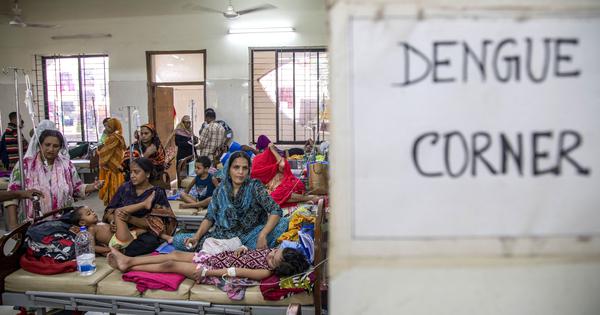
Dengue fever is a disease spread by mosquitoes.
The number of people getting sick from dengue is going up around the world.
This is because the weather is getting warmer and wetter, which helps mosquitoes breed.
Mosquitoes are also moving into new places like Europe and the US.
Symptoms include fever and joint pain, but can be worse.
The main problem is climate change which causes more outbreaks of these diseases.
Scientists are working on a vaccine to help.

Dengue fever cases are rising globally.
Outbreaks are becoming larger and less predictable.
Climate change may be contributing to the spread of the disease.
The Aedes aegypti mosquito is the primary carrier.
Vaccines may be a solution for managing the disease.
- Who
- Mosquito-borne viral disease
- What
- Dengue fever cases are rising and outbreaks are less predictable.
- When
- 2019 saw the highest cases ever recorded.
- Where
- Tropical regions; spreading to new areas in Europe and the US.
- Why
- Climate change, warmer temperatures, and increased rainfall
- Primary Vector
- Aedes aegypti mosquito
- Symptoms
- Flu-like symptoms; Severe cases can cause bleeding and organ failure.
- 2019 Cases
- Highest number of dengue fever cases recorded.
- Location
- Tropical regions, including Africa, Asia, and the Americas
- Expanding Range
- Southern Europe, parts of the US