

4 hrs ago
UP Judge Challenges Recall of 97 Murder Cases
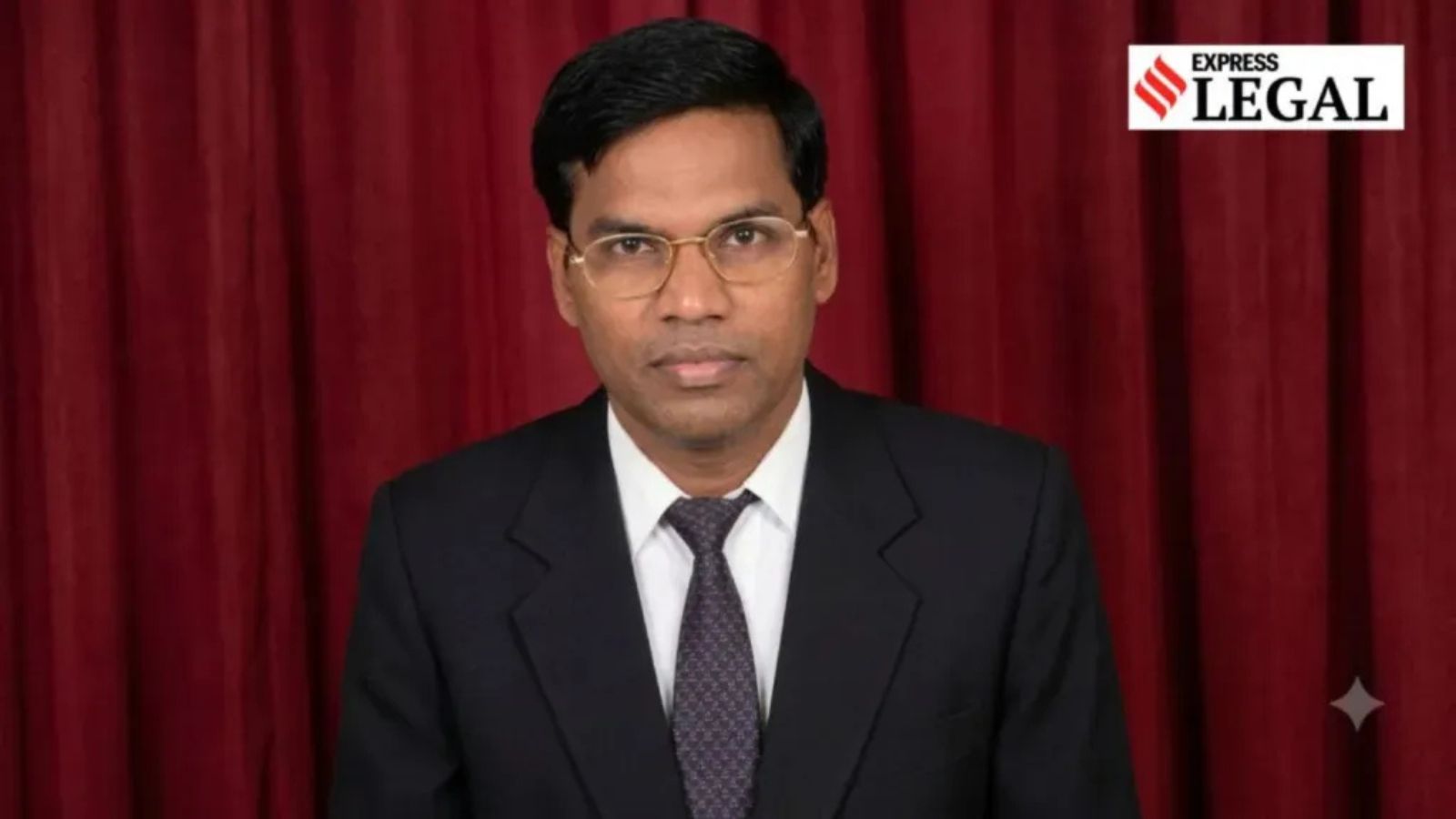
A judge in Muzaffarnagar is questioning the removal of 97 serious cases from his courtroom.
The cases were moved through nine administrative orders issued by the district judge.
The orders were made shortly before that district judge retired.
The orders did not explain why the cases were being taken back, according to the judgment.
Judge Ravi Kumar Diwakar says many of the cases had already started in his court.
He believes the law may not allow such cases to be recalled in this way.
He is asking whether judges must obey an administrative order that is legally invalid.
Diwakar has also issued many death sentences recently, although different reports give different totals.
Any death sentence must be reviewed by the Allahabad High Court before it can be carried out.

Muzaffarnagar judge Ravi Kumar Diwakar questioned whether a judicial officer must follow an administrative order deemed unlawful or without jurisdiction.
A former Muzaffarnagar District Judge issued nine orders on August 18 recalling 97 serious, including murder, cases from Diwakar’s court.
Diwakar said the cases were part-heard and that the orders were issued 13 days before the district judge’s retirement without stated reasons.
The judge argued that the CrPC and Bharatiya Nagarik Suraksha Sanhita do not allow a sessions judge to recall part-heard cases.
Reports cited differing death-sentence figures: 23 in 10 cases in four months, while another account recorded 22 in 10 cases and 17 across seven trials.
- Who
- Muzaffarnagar Additional District and Sessions Judge Ravi Kumar Diwakar and the then Muzaffarnagar District Judge.
- What
- A legal challenge to administrative orders recalling 97 serious, including murder, cases from Diwakar’s court.
- Where
- Muzaffarnagar, Uttar Pradesh.
- When
- The cases were recalled on August 18; Diwakar’s judgment was dated September 17. The article identifies the recall year as 2026.
- Why
- Diwakar questioned whether the recall orders were lawful because they involved part-heard cases, gave no stated reasons, and were issued shortly before the district judge’s retirement.
Judge’s Legal Objection
Administrative Case Transfer
Whether the cases could be recalled
Judge’s Legal Objection
Ravi Kumar Diwakar said the CrPC and Bharatiya Nagarik Suraksha Sanhita do not permit a sessions judge to recall part-heard cases, making the orders contrary to law or without jurisdiction.
Administrative Case Transfer
The former Muzaffarnagar District Judge issued nine orders recalling the cases, but the article does not provide the district judge’s explanation or legal defense for the action.
Need for stated reasons
Judge’s Legal Objection
Diwakar highlighted that the orders did not state why the 97 cases were being recalled and were issued 13 days before the district judge’s retirement.
Administrative Case Transfer
The orders formally detailed the titles of the 97 matters, but the article reports no additional reasons for the administrative decision.
Key facts
- Cases recalled
- 97 serious cases, including murder cases
- Recall orders
- Nine similar administrative orders
- Order date
- August 18, 2026, according to the article
- Judgment date
- September 17
- Death sentences reported
- The article cites 23 in 10 cases, while another account cited 22 in 10 cases and 17 across seven trials
- High Court review
- Death sentences require confirmation by the Allahabad High Court before execution
- Current posting
- Diwakar has been posted in Muzaffarnagar since November 2025
Quotes
Ravi Kumar Diwakar
Muzaffarnagar Additional District and Sessions Judge who wrote the September 17 judgment
“The provisions under CrPC and BNSS provide that the sessions judge cannot recall ‘part-heard’ files. Therefore, on August 18, 2026, the then district judge, Muzaffarnagar, passed a total of nine similar orders, recalling 97 part-heard case files involving serious murder cases from my court to his own court. The said orders were, in themselves, contrary to law, i.e., without jurisdiction, and the files were recalled merely 13 days before his retirement, without assigning any reason.”
 indianexpress.com
“Power must be accompanied by responsibility and discretion. When checks on power cease to exist, a person begins to consider themselves above the law and morality. That is the moment when authority, instead of remaining a means of protection, becomes a means of oppression.”
indianexpress.com
Sources
Related news
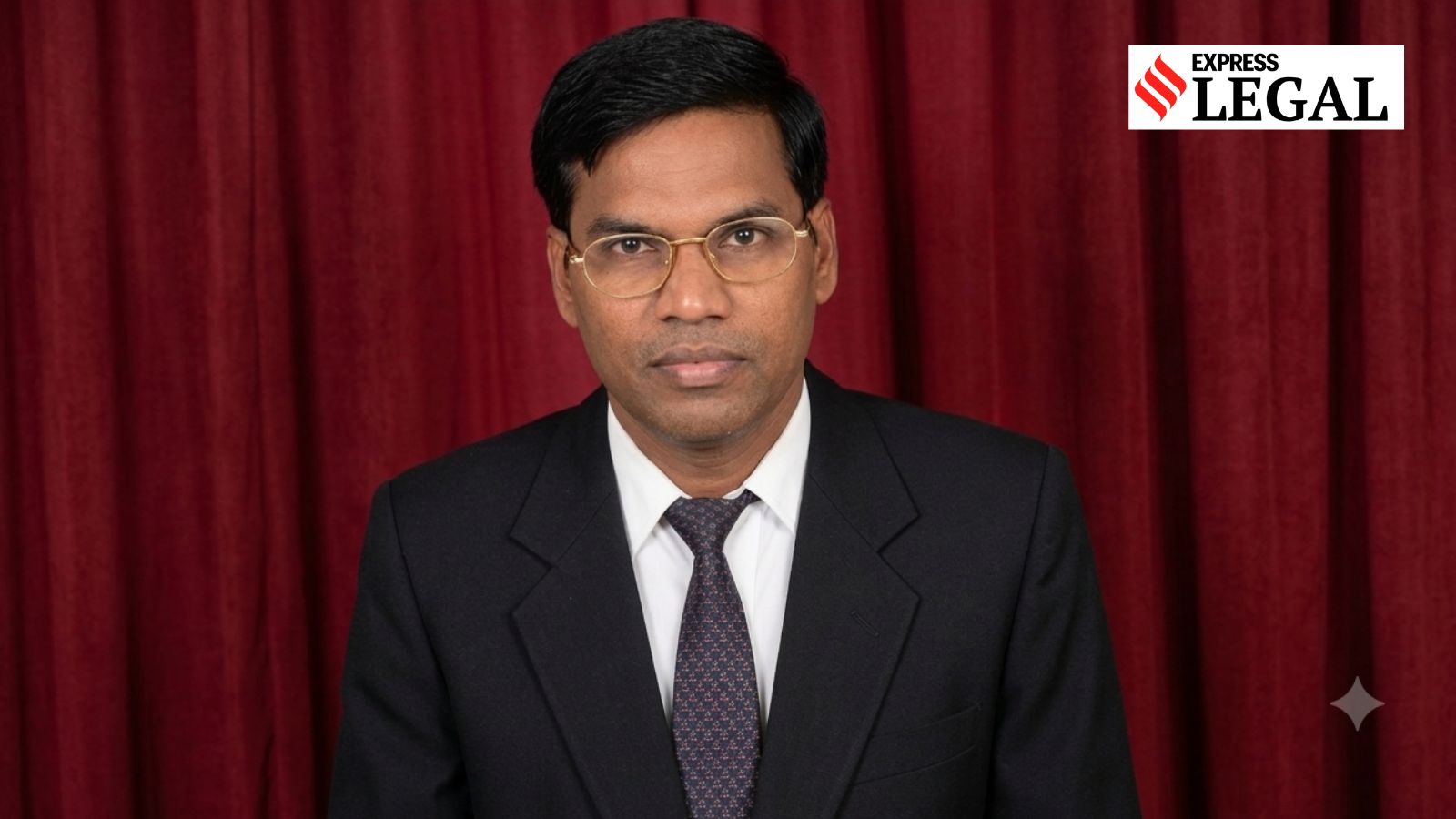
100 Murder Cases Shifted After UP Judge’s 22 Death Sentences
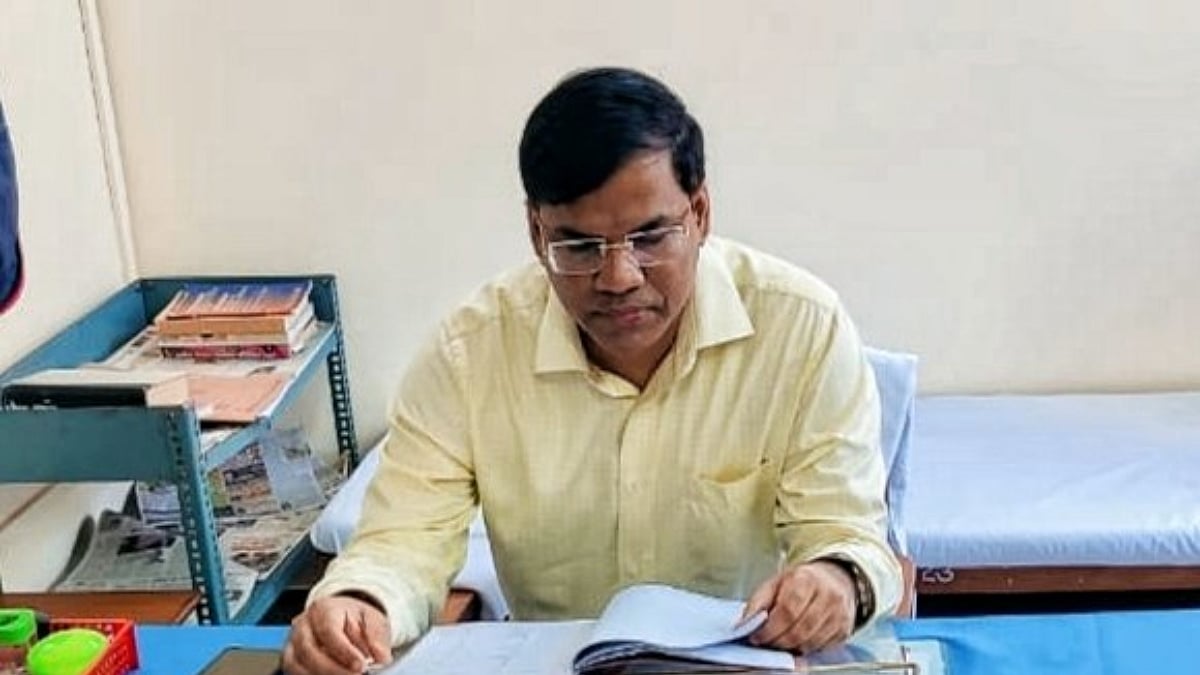
UP Court Transfers 100 Cases After Judge’s 22 Death Sentences
Karnataka High Court Quashes SP Externment Powers Notification
Mehta Seeks Sharma’s Transfer, Full-Time Rajasthan Chief Justice

Justice Mehta Seeks Rajasthan High Court Leadership Change
