2 hrs ago
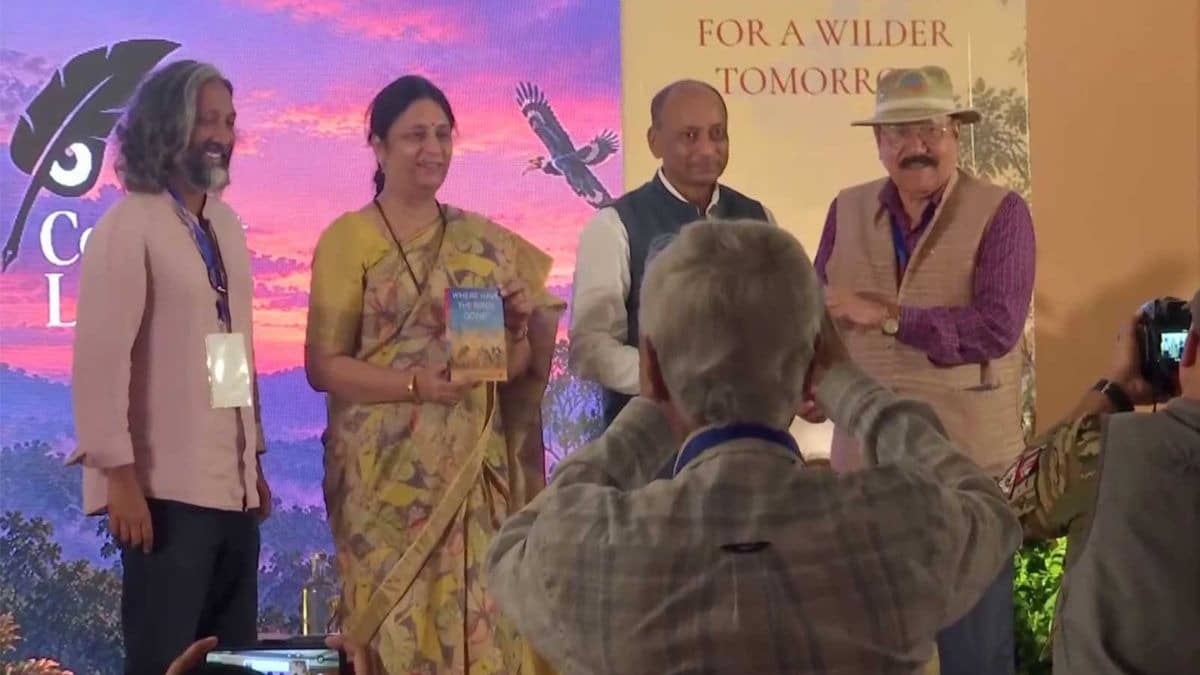
Corbett Literature Festival Explores Wildlife, Food and Communities

The Corbett Literature Festival brought together people who study nature, food and stories.
On its second day, speakers discussed the Himalayas, forests, rivers and the people who depend on them.
Anup Sah said the mountains matter to people in both the hills and the plains.
Several speakers said Corbett is more than a place for tigers: its whole web of life needs protection.
Wildlife photographer Akash Das explained why he shows animals in their habitats and tries not to disturb them.
Other talks looked at how cities can make room for wildlife and how tourism can avoid harming nature.
Food historian Pushpesh Pant shared stories about Uttarakhand’s cooking traditions.
The festival’s final day was set to include more nature discussions and a closing dinner.

Day 2 featured discussions on Himalayan ecology, food traditions, wildlife photography, urban wildlife and responsible tourism.
Anup Sah said the Himalayas hold significant biodiversity and are a shared concern for mountain and plains communities.
Speakers argued that protecting Corbett requires safeguarding the wider landscape and its interconnected species, habitats and watersheds—not only tigers.
Sessions explored regional food traditions, wildlife photography ethics, coexistence with wildlife in cities and tourism in fragile landscapes.
The festival’s closing day was scheduled to include sessions on rivers, conservation and nature writing, followed by a gala dinner.
- Who
- Speakers, conservationists, photographers, historians, journalists and storytellers, including Anup Sah, Pushpesh Pant and Saket Badola.
- What
- Day 2 of the Corbett Literature Festival explored connections among wildlife, landscapes, people, food and tourism.
- Where
- Ramnagar, Uttarakhand, India.
- When
- October 8; the article identifies it as Day 2 and also says the final day is October 8.
- Why
- To discuss nature and human connections, conservation, wildlife coexistence and responsible tourism.
Narrow wildlife focus
Whole-landscape conservation
What should conservation protect?
Narrow wildlife focus
A tiger-focused view treats the tiger as the primary symbol of the Corbett landscape.
Whole-landscape conservation
Speakers including Anup Sah and Akash Das said conservation must include wider biodiversity, habitats, plants, trees, rivers and connected species.
Wildlife and growing cities
Narrow wildlife focus
Urban growth can make nature and wildlife seem separate from city life.
Whole-landscape conservation
Neha Sinha argued that wildlife and nature should be part of conversations about urban spaces, including attention to blue and green spaces.
Tourism in fragile landscapes
Narrow wildlife focus
Tourism can put pressure on the landscapes and forests on which it depends.
Whole-landscape conservation
The tourism session considered how to create meaningful experiences while avoiding damage; Saket Badola emphasized respect for the wild.
Key facts
- Event
- Corbett Literature Festival
- Location
- Ramnagar, Uttarakhand, India
- Date stated
- October 8
- Day 2 themes
- Himalayan ecology, Pahadi food, wildlife photography, urban wildlife and responsible tourism
- Himalayan biodiversity figure cited
- Anup Sah said the Himalayas represent around 10 per cent of the world's biodiversity while accounting for less than half a per cent of its geography.
- Landscape focus
- Speakers discussed the Kosi and Ramganga watersheds and connections among forests, wildlife and communities.
- Closing-day programme
- Sessions on wildlife photography, natural history, conservation, rivers and nature writing, followed by a gala dinner with live music and live painting.
Quotes
Saket Badola
Field Director of Corbett Tiger Reserve
“If we forget what the habitat is and show only the head-on shot of an animal, it could be anywhere.”
 livemint.com
“The Himalaya is as much of the plains as it is of the people of the mountains.”
livemint.com
Sources
Related news
Corbett Literature Festival Brings Forest Wildlife and Traditions Together
Wildlife Tourism Urged to Look Beyond Tiger Sightings
National Wildlife Week 2026 Highlights Coexistence and Biodiversity
Films Explore Pastoral Life and Climate Change at Hyderabad Festival

Sikkim Marks Wildlife Week With Focus on Human-Wildlife Coexistence
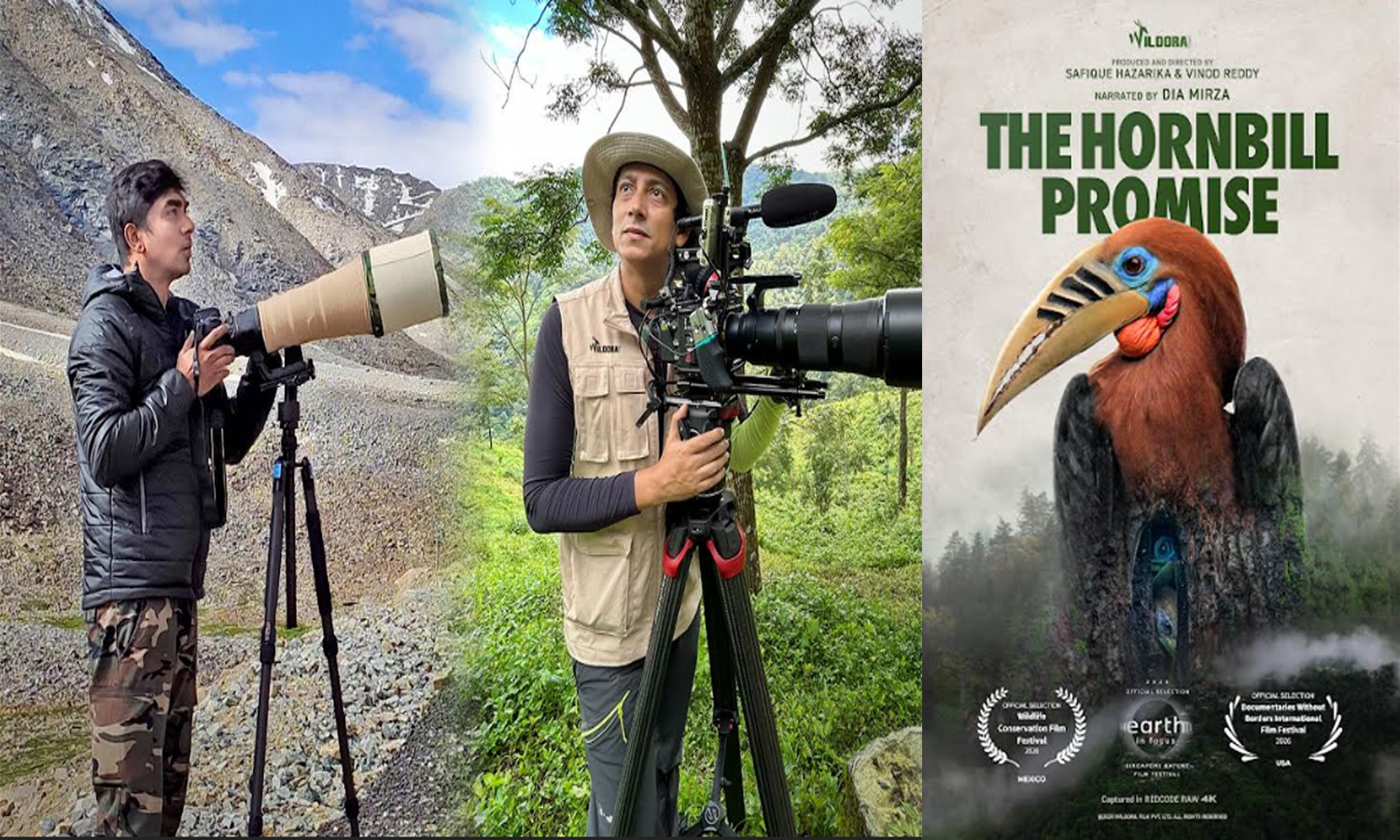
The Hornbill Promise Shows Wildlife, Trust, and Shared Forests

Uttarakhand Minister Details Forest, Health and Eco-Tourism Plans

Seven Delhi Weekend Getaways Accessible Without Flights or Cars

BRICS Summit Sends Delhi Hotel Prices Soaring; Escapes Offer Alternatives