

Archive · 10 Oct 2026
Lai Says Taiwan Will Defend Freedom While Seeking Peace

Taiwan’s president, Lai Ching-te, spoke on National Day.
He said Taiwan wants peace but will not give up its freedom.
He said Taiwan’s people should have a say in their future.
Lai argued that peace needs more than good wishes.
He said Taiwan is strengthening its defences to discourage war, not start one.
He also said Taiwan is open to talks if both sides are treated with respect.
China rejected his statements and says Taiwan is part of China.
A US official welcomed Lai’s commitment to peace, and Lai called on regional democracies to cooperate.

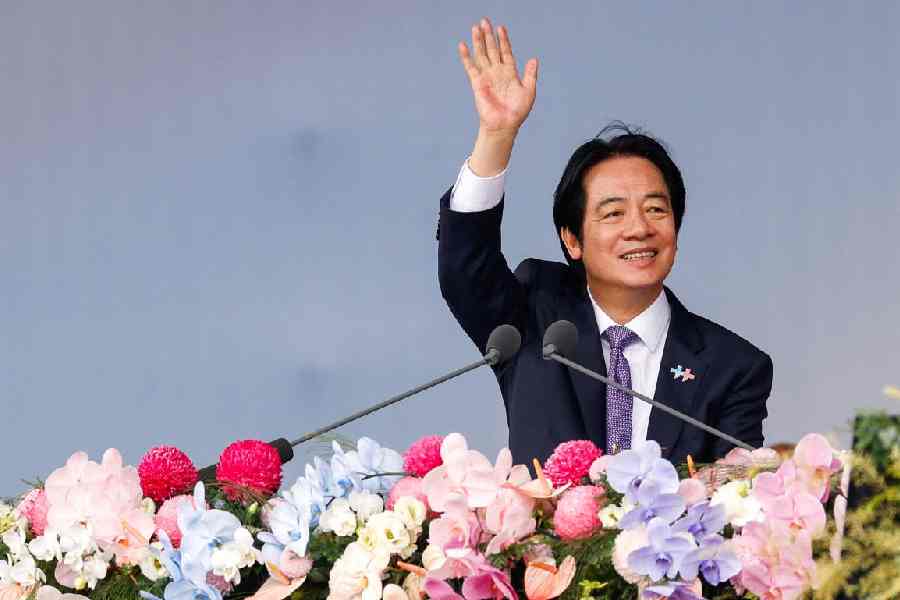
At Taiwan’s National Day speech on October 10, President Lai Ching-te said Taiwan cherishes peace but will not give up its freedom.
Lai said peace cannot depend on wishes alone and Taiwan’s people should have the right to determine their future.
He said increased defence investment and stronger self-defence are intended to deter war, not provoke it, and support dialogue on equal terms.
Lai welcomed US-China dialogue to reduce conflict risks and urged Indo-Pacific democracies to work together for regional peace and stability.
China called Lai a separatist and said his speech distorted the truth; a US official welcomed his commitment to peace and stability.
- Who
- Taiwan President Lai Ching-te; China’s Taiwan Affairs Office and a US administration official also commented.
- What
- Lai defended Taiwan’s freedom and defence investment, called for dialogue, and urged Indo-Pacific democracies to cooperate; China denounced his speech.
- When
- October 10; the year of the speech is not specified in the articles.
- Where
- Outside the Presidential Office in Taipei, Taiwan.
- Why
- Lai said Taiwan faces military and political pressure from China and must protect its freedom while seeking peace.
Taiwan’s stated position
China’s stated position
Taiwan’s status and future
Taiwan’s stated position
Lai said Taiwan will not give up its freedom and that its people have the right to determine their future.
China’s stated position
China’s Taiwan Affairs Office said Taiwan is part of China and that its future must be decided jointly by all Chinese people, including people in Taiwan.
Defence spending
Taiwan’s stated position
Lai said increased defence investment is meant to deter war and help ensure dialogue can take place on equal terms.
China’s stated position
China accused Lai of exaggerating the threat from the mainland and clinging to separatist thinking.
Dialogue and regional security
Taiwan’s stated position
Lai said Taiwan is open to exchanges, welcomed US-China dialogue to reduce conflict risks, and urged Indo-Pacific democracies to cooperate.
China’s stated position
China has rebuffed Lai’s offers of talks and denounced his speech; the articles did not report a Chinese response to his specific call for regional cooperation.
- Occasion
- Taiwan’s National Day
- Speaker
- President Lai Ching-te
- Lai’s defence rationale
- To deter war, not provoke it
- Lai’s position on dialogue
- Taiwan is open to exchanges, with dialogue on the basis of parity and dignity
- China’s response
- China’s Taiwan Affairs Office accused Lai of distorting the truth and promoting separatist thinking, and said Taiwan is part of China
- US response
- A senior US administration official welcomed Lai’s commitment to peace and stability across the Taiwan Strait
- Lai’s regional appeal
- He urged Indo-Pacific democracies to work together to preserve regional peace and stability
- Reported arms package
- The articles said a proposed US arms package worth $14 billion had not yet been approved
Sources
Taiwan cherishes peace but will not give up freedom, president says
Taiwan’s President defends military spending, urges Indo-Pacific democracies to unite - Telegraph India
Taiwan cherishes peace but will not give up its freedom, president says