

Archive · 30 Jun 2025
Malaysia's Palm Oil Industry Shifts to Sustainable Practices
Malaysia's palm oil industry is becoming more eco-friendly!
They are trying to use everything, like turning waste into fertilizer and energy.
Companies are using natural methods to fight pests and robots to help with the work.
Small farmers are getting involved by growing other crops and using waste.
This helps protect the environment and meet climate goals.

Malaysia's palm oil industry is transitioning towards a zero-waste circular economy.
Government and private entities are driving the shift, focusing on renewable energy and replanting.
Companies like SKG are implementing circular strategies, utilizing by-products for fertilizer and biofuel.
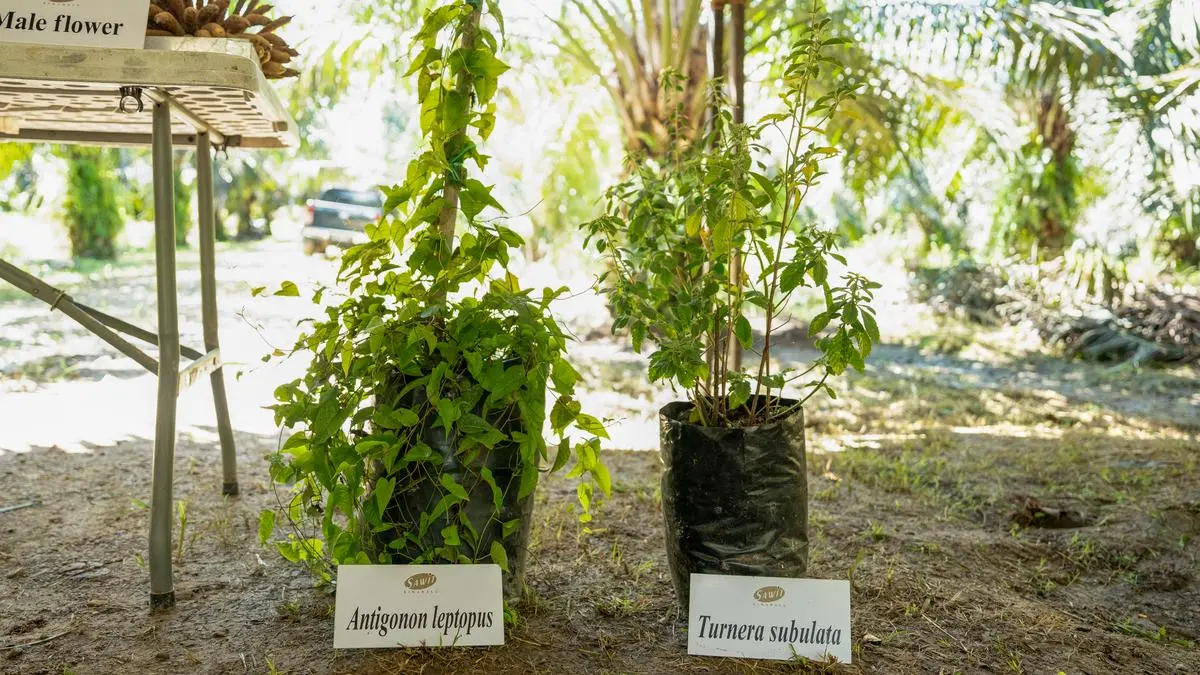
Innovations include using natural predators and robotics for pest management and plantation tasks.
Smallholders are adopting circular practices such as intercropping and using waste as resources.
- Who
- Palm oil industry, government, private entities, and smallholders.
- What
- Malaysia's palm oil industry is adopting sustainable practices.
- When
- The transition is currently underway.
- Where
- Malaysia.
- Why
- To reduce environmental impact and meet climate targets.
- Palm Oil Yield
- Highest among vegetable oils
- Global Vegetable Oil Share
- 35%
- Government Cap on Cultivation
- 6.5 million hectares
- SKG's Goal
- Net zero by 2050
- Insecticide Reduction
- 40% through natural pest control
- Robot Applications
- Fertiliser spraying & bunch evacuation