

8 months ago
Bitcoin Slides 30% in 2025

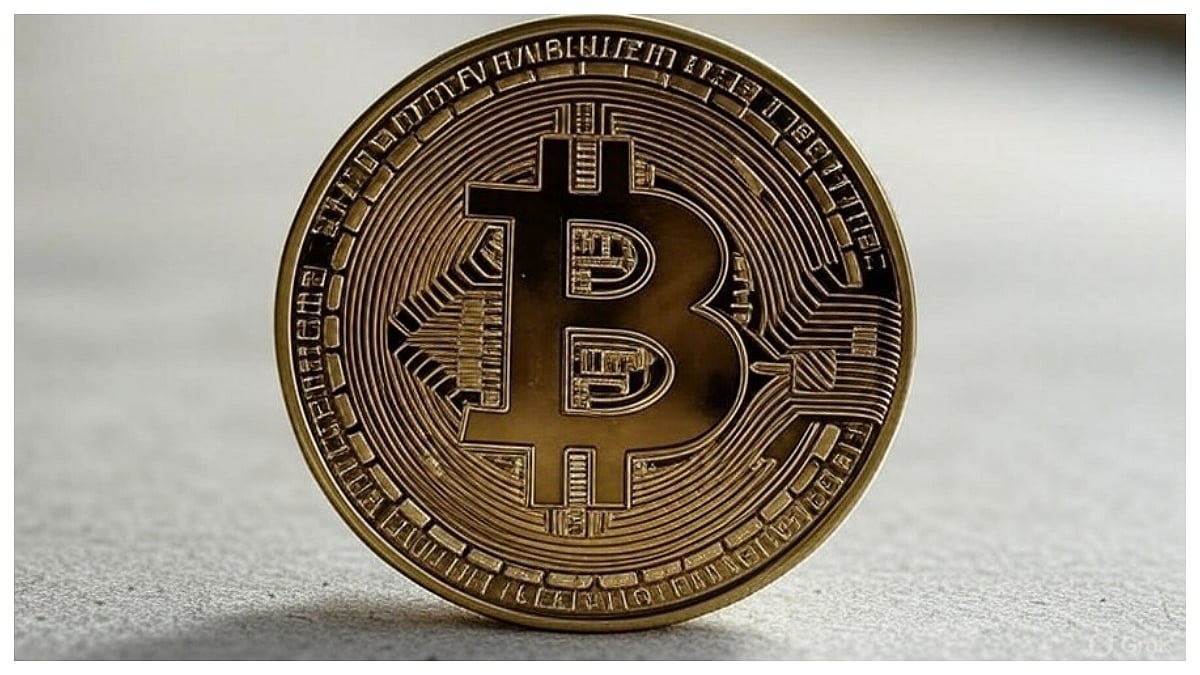
In 2025, Bitcoin's price dropped by nearly 30% from its highest levels.
This happened because not many people were trading it, the price fell below an important average, and long-term investors were selling.
Even though Bitcoin had a bad year, people are still hopeful that 2026 could be better.
There were also good things happening in the crypto world, like more people using blockchain technology and stablecoins for payments.
Many developers were building new things on blockchain networks, especially in places like Asia.
So, even though Bitcoin's price went down, there are still reasons to be excited about the future of crypto.

Bitcoin slid nearly 30% from its record highs in 2025 due to weak trading activity and technical breakdowns.
Long-term holders continued to sell, keeping prices under pressure.
Despite the decline, 2026 is seen as a potential turnaround year for the crypto market.
Blockchain adoption and institutional involvement remained strong, with expanding use of stablecoins and decentralized finance platforms.
Developer activity was robust, particularly in the Asia-Pacific region and other global markets.
- Who
- Bitcoin investors and traders
- What
- Bitcoin price decline and market trends in 2025
- Where
- Global cryptocurrency markets
- When
- Throughout 2025
- Why
- Weak trading activity, technical breakdowns, and selling by long-term holders
Key facts
- Bitcoin Decline
- 30% from record highs in 2025
- Trading Activity
- Weak trading activity contributed to the decline
- Technical Breakdowns
- Prices slipped below the 365-day moving average
- Long-Term Holders
- Continued selling by long-term holders
- 2026 Outlook
- Potential turnaround year for crypto market
- Blockchain Adoption
- Growing institutional involvement and expanding blockchain adoption
- Developer Activity
- Strong, especially in Asia-Pacific and global markets
- Stablecoins
- Gained wider acceptance for payments and settlements
Quotes
Jason Tuvey
Deputy chief emerging markets economist at Capital Economics
“We think that the export boom has further to run… all the signs point to demand for AI-related goods remaining strong over the next year or so.”
 firstpost.com
Wong Siew Hai
President of the Malaysia Semiconductor Industry Association
“This (US-Malaysia) model of business, with the high-end fabrication in the US and assembly and testing in Malaysia, is a win-win for both sides. Since the reciprocal trade agreement was signed, we do not expect any changes going into 2026.”
firstpost.com
Datuk Seri Tengku Zafrul Aziz
Former trade minister and chairman of the Malaysian Investment Development Authority
“November’s 15.8 per cent increase in imports was mainly due to capital and intermediate goods, signalling 'ongoing industrial investment and supply-chain deepening, a positive sign for future productivity and export capacity'.”
firstpost.com
Chua Hak Bin
Regional co-head of macro research at Maybank
“Singapore is also attracting investments in AI research and development facilities and as a global test bed for new technologies.”
firstpost.com
Yun Liu
HSBC’s Asean economist
“Diversification has also played a role, with transport engineering exports continuing to expand at a double-digit pace. This does not only contribute to the manufacturing sector but has also boosted related services sectors such as wholesale.”
firstpost.com
Tommy Xie
Head of Asia macro research at OCBC Bank
“The economic support from external demand will decline. It can’t be as high as it was this year or last year. This is why domestic demand has become so important. But whether the latter can be held up is uncertain.”
firstpost.com

Thomas Wu
Chairman of the Chinese National Association of Industry and Commerce in Taipei
“Taiwan’s AI hardware suppliers have delivered strong earnings results and underpinned robust exports, but the nation cannot lean on the AI boom indefinitely.”
firstpost.com
Sources

Related news
Markets Seen Opening Flat as Global Risk Appetite Weakens

Cryptocurrency Still Lacks a Persuasive Case for Fundamental Value

Global roundup covers tariffs, Hormuz, sanctions, diplomacy and tributes

Sensex, Nifty Recover as Brent Crude Falls Below $90

Bitcoin Surges Past $80,000 Amid Treasury and ETF Demand
