

Archive · 27 Jul 2026
Five Home Loan Traps for First-Time Buyers
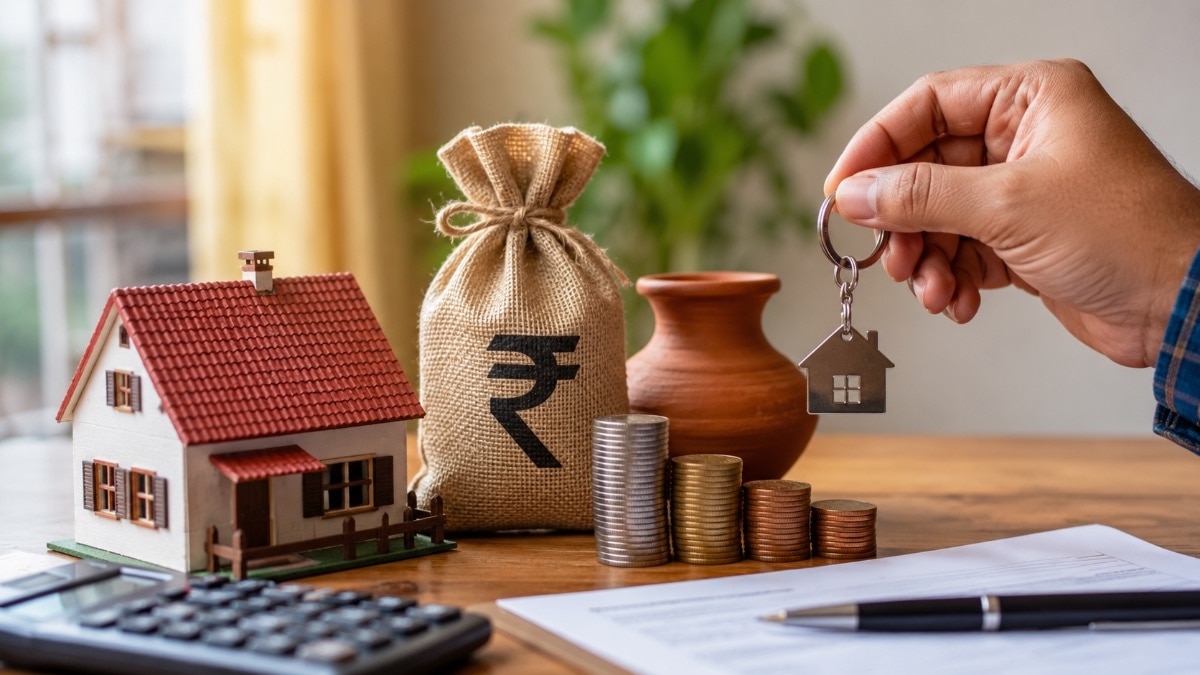
Buying a home for the first time is exciting, but taking a home loan can be tricky.
Many first-time buyers make mistakes that cost them a lot of money.
One common mistake is choosing a very long loan period.
This makes the monthly payment smaller, but you end up paying more interest over time.
Another mistake is putting down a very small down payment.
This means you have to borrow more money, which also increases the interest you pay.
There are also hidden costs like processing fees and insurance that many buyers forget about.
A bad credit score can make lenders charge you higher interest rates.
Finally, borrowing the maximum amount you can afford might leave you with no money for emergencies.
To avoid these traps, plan carefully, compare different loan offers, and understand all the costs involved.
This way, you can make your dream of owning a home come true without too much stress.

Longer loan tenure reduces monthly EMI but increases total interest paid.
Lower down payment increases loan amount and interest burden.
Hidden costs like processing fees and insurance add to the total expense.
Poor credit score leads to higher interest rates.
Borrowing the maximum amount can lead to financial stress.
- Who
- First-time homebuyers
- What
- Common home loan traps
- When
- Before applying for a home loan
- Where
- India
- Why
- To avoid financial stress and make smarter financial choices
Longer Loan Tenure
Shorter Loan Tenure
Interest Burden
Longer Loan Tenure
Longer tenure reduces monthly EMI but increases total interest paid.
Shorter Loan Tenure
Shorter tenure increases monthly EMI but reduces total interest paid.
- Long Tenure Impact
- Increases total interest paid over the life of the loan.
- Down Payment
- Lower down payment increases loan amount and interest burden.
- Hidden Costs
- Processing fees, registration costs, insurance, and property-related expenses.
- Credit Score
- Poor credit score leads to higher interest rates.
- Borrowing Limit
- Borrowing the maximum amount can lead to financial stress.