2 weeks ago
BEST Plans Higher Penalties After Wet-Lease Bus Brake Incident
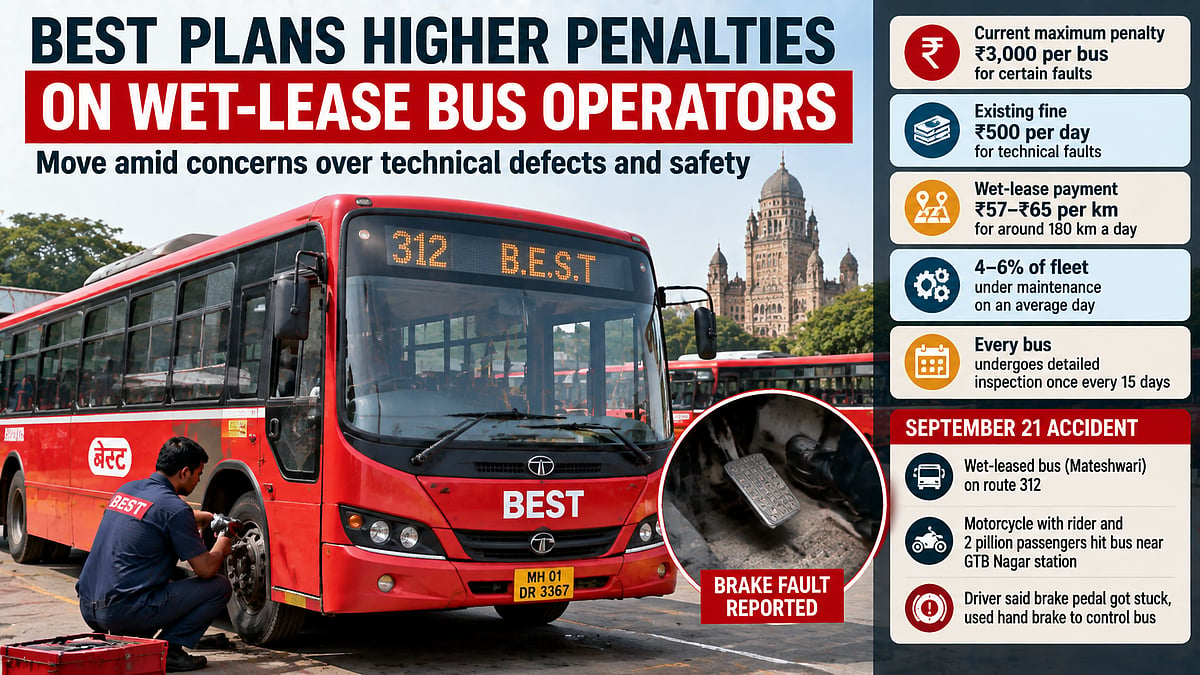
BEST wants to make bus operators pay more when they put faulty buses on the road.
Operators are paid based on how many kilometres their buses travel each day.
Officials worry this may encourage some operators to keep buses running instead of repairing them properly.
A bus involved in a September 21 incident reportedly had a brake pedal that became stuck.
The driver used the hand brake to control the bus.
The bus came into contact with a motorcycle carrying three people.
Police and BEST examined the incident.
BEST also wants repairs to happen faster so buses can be kept safe.

BEST is planning higher penalties for wet-lease operators that run buses with technical defects.
Operators are paid for operating buses about 180 kilometres daily at ₹57–₹65 per kilometre.
Staff can currently impose a ₹500-per-day fine for detected technical faults, with some penalties capped at ₹3,000 per bus.
Officials said temporary repairs may allow buses with unresolved defects to remain in service and meet kilometre targets.
The proposal follows a September 21 incident in which a wet-leased bus reportedly developed a stuck brake pedal near GTB Nagar railway station.
- Who
- The BEST Undertaking, wet-lease operators, and the driver of a Mateshwari-operated bus were involved; BEST Committee member Nitin Nandgaonkar called for stronger penalties.
- What
- BEST is considering higher penalties for operators that run buses with technical defects, following a reported brake fault involving a wet-leased bus.
- Where
- The incident occurred near GTB Nagar railway station in Mumbai, on route 312 between Pratiksha Nagar and SEEPZ.
- When
- The incident occurred on September 21; the proposed penalty changes are being considered afterward.
- Why
- BEST aims to discourage operators from prioritising daily kilometre targets over timely repairs and passenger safety.
Stronger Safety Enforcement
Operational Target Concerns
Higher penalties
Stronger Safety Enforcement
BEST officials and committee members support increasing penalties to prevent operators from running buses with unresolved technical faults.
Operational Target Concerns
The articles do not include a direct response from wet-lease operators, but describe a payment system based on daily kilometres that may encourage continued operation.
Repair requirements
Stronger Safety Enforcement
Officials say major issues involving brakes or steering require thorough inspection, and repairs should be completed more quickly.
Operational Target Concerns
Sources said some operators allegedly use temporary repairs when a fault does not immediately prevent the bus from moving, allowing the vehicle to meet its kilometre target.
Key facts
- Current fine
- BEST staff can impose a ₹500-per-day fine when a technical fault is detected.
- Current maximum penalty
- BEST can impose up to ₹3,000 per bus for certain faults.
- Daily operating target
- Wet-lease operators are paid for operating buses for around 180 kilometres per day.
- Payment rate
- Operators receive between ₹57 and ₹65 per kilometre.
- Maintenance level
- Around 4%–6% of BEST’s total fleet is under maintenance on an average day.
- Inspection schedule
- Every bus undergoes a detailed inspection once every 15 days.
- Reported fault
- The driver said the foot-brake pedal became stuck and he used the hand brake.
Quotes
A BEST official
An unnamed official of the BEST Undertaking discussing procedures for technical defects.
“If it’s a minor fault, it is rectified in a couple of hours. However, if the issue is major, something to do with brakes or steering, then it undergoes thorough inspection and attention. We also send an email to the wet-lease operator notifying about the same.”
 freepressjournal.in
“The bus came into contact with the motorcycle and the rider left the spot.”
freepressjournal.in
Nitin Nandgaonkar
A member of the BEST Committee calling for stronger penalties and quicker repairs.
“There is a need to increase the penalties on the wet-lease bus operators who end up running buses even if they have faults. This is not acceptable. The time taken for repairs too needs to be cut down apart from increasing the penalties.”
freepressjournal.in
Sources
Related news
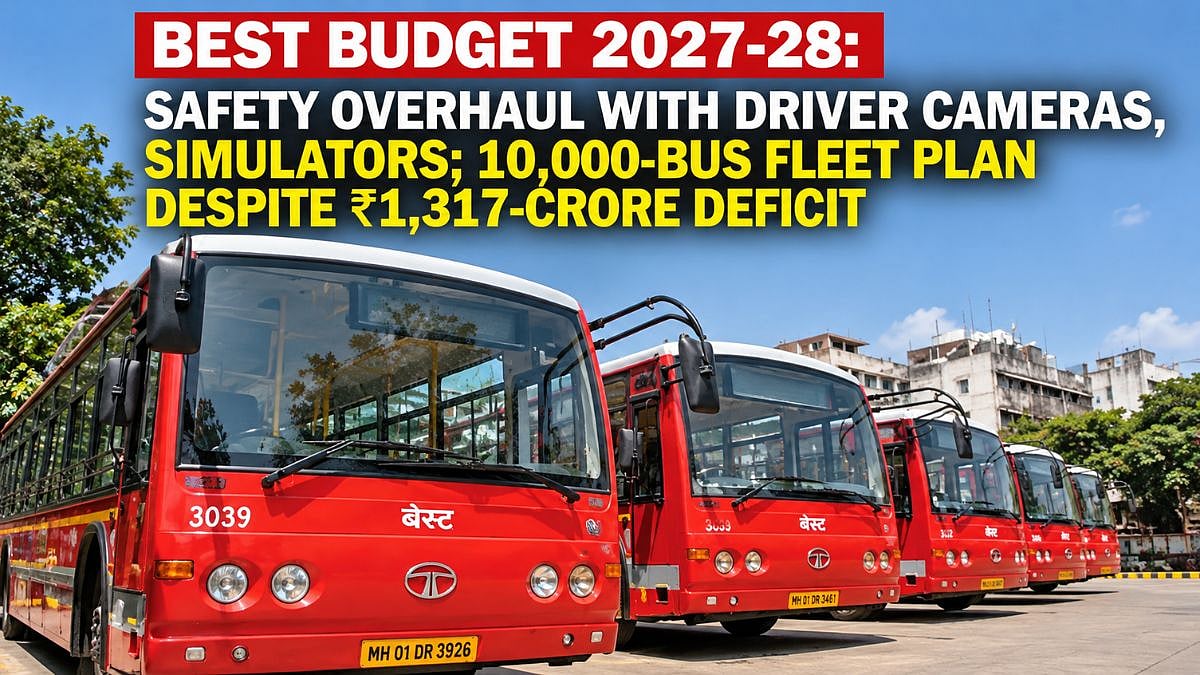
BEST Budget Projects Deficit, Plans Safety Overhaul and Fleet Expansion

Poisar Depot Strike Disrupts Mumbai Buses Before Ganeshotsav
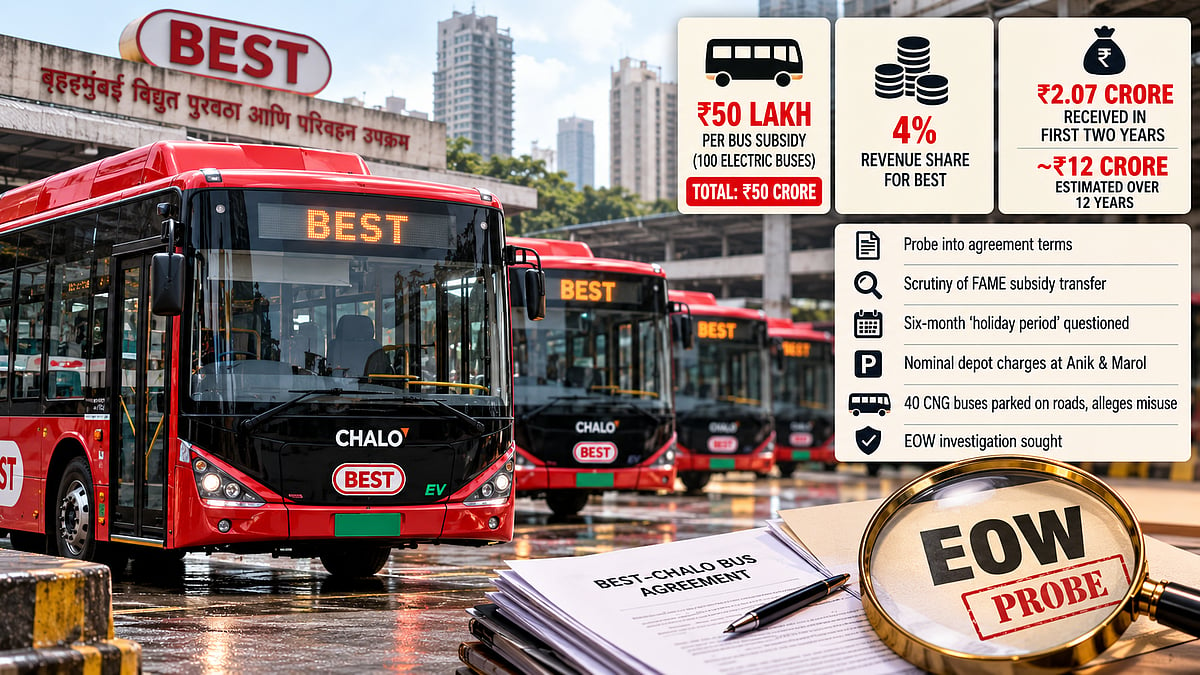
BEST Member Seeks EOW Probe Into Chalo Bus Deal

BEST Bus Catches Fire After Head-On Collision in Mulund
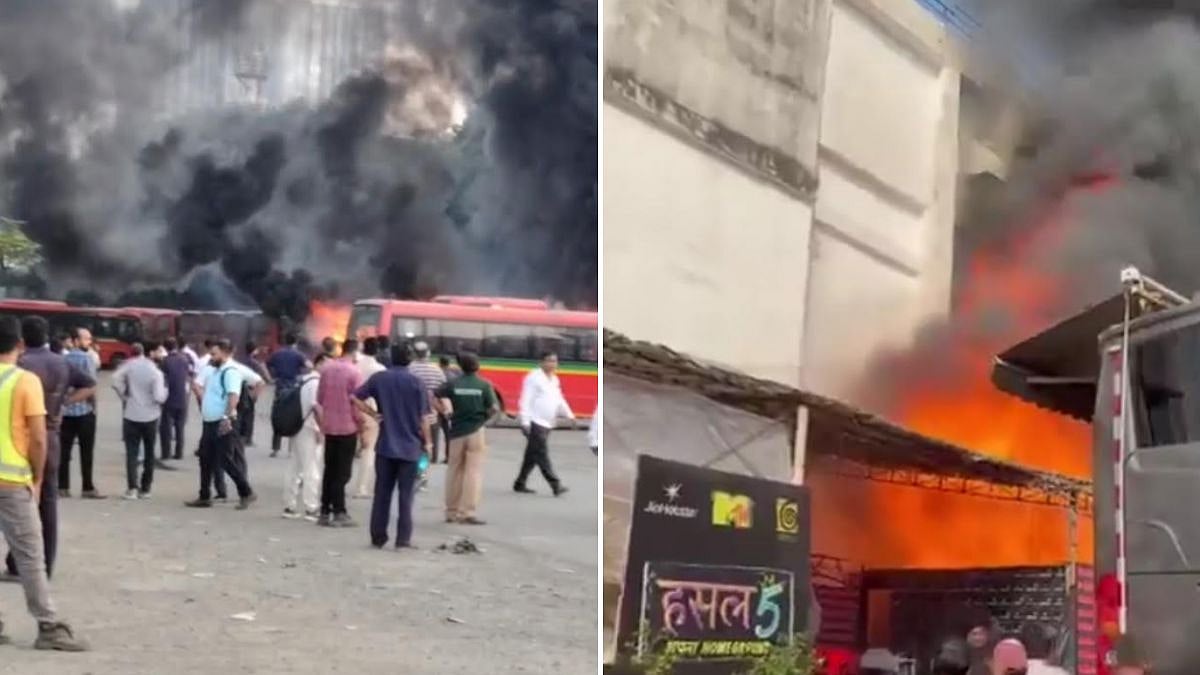
BEST Orders Two-Foot Bus Gaps After Anik Depot Fire
Tamil Nadu Private Bus Operators Plan 24-Hour Strike Over Fares

No. 18 Batter’s Kohli-Like Style Goes Viral in Kanga League
Mumbai Police Detain Hundreds Ahead of Proposed Protest

NCLT Mumbai Suspends Court VI, Redistributes Pending Cases
Keshub Mahindra Remembered for Lasting Contributions to Indian Industry
Fake Aadhaar Helpline Allegedly Steals ₹2.58 Lakh from Mumbai Retiree