Archive · 4 Sep 2026
Centre Develops CBSE Three-Language Policy Implementation Plan
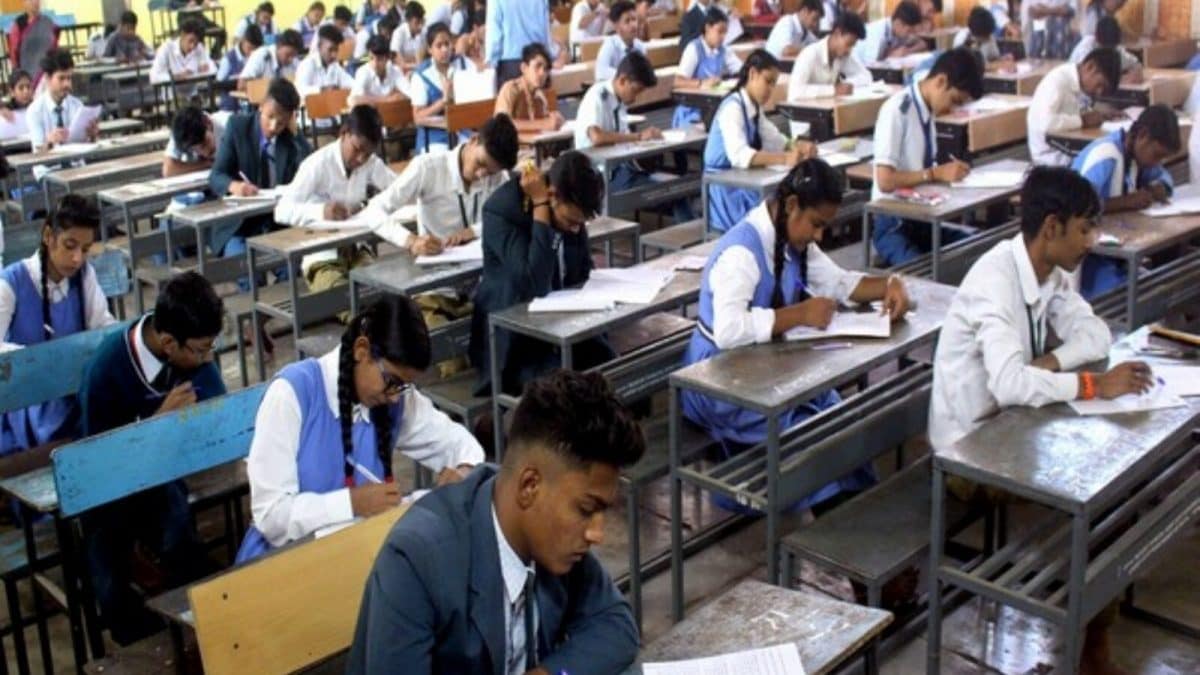
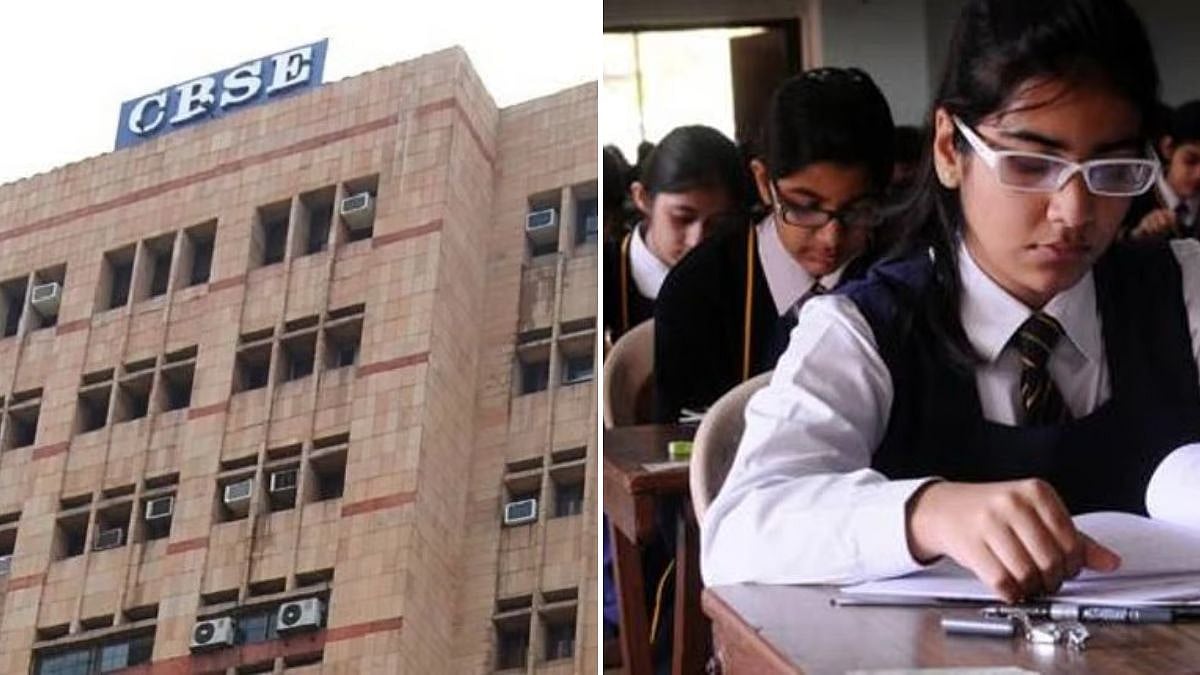
CBSE wants Class 9 students to learn three languages.
At least two of those languages must be native Indian languages.
The rule is scheduled to apply from July 1, 2026.
The Centre is still working on how schools should put the rule into practice.
Some petitioners have asked the Supreme Court to examine the policy.
The court said learning more languages is not inherently wrong.
However, it wants schools to avoid putting too much pressure on children.
The court will consider the matter again after one week.

The Centre told the Supreme Court it is working on implementation suggestions and modalities for CBSE’s three-language policy.
The policy requires Class 9 students to study three languages, including at least two native Indian languages, from July 1, 2026.
The Supreme Court deferred the matter by one week after the Centre sought additional time.
The court said the policy itself was not objectionable but urged safeguards against undue pressure on students.
CBSE allows a foreign language only as the third or an additional fourth language and will hold no Class 10 board exam for R3.
- Who
- The Centre, CBSE, NCERT, petitioners and the Supreme Court of India are involved.
- What
- The Supreme Court is examining a challenge to CBSE’s compulsory three-language policy for Class 9 students while the Centre develops implementation plans.
- When
- The Centre made its submission on September 3; the policy is scheduled to apply from July 1, 2026, and the court deferred the matter by one week.
- Where
- The matter is before the Supreme Court of India in New Delhi.
- Why
- The court wants concerns about student pressure, implementation obstacles and language-teaching infrastructure to be addressed.
Policy Support and Implementation
Petitioners’ and Court Concerns
Need for the policy
Policy Support and Implementation
The Centre and CBSE are implementing a three-language requirement as part of alignment with the National Education Policy 2020 and the National Curriculum Framework for School Education 2023.
Petitioners’ and Court Concerns
Petitioners have challenged the policy before the Supreme Court, focusing on the manner in which it is being introduced rather than stating that language learning itself is wrong.
Student pressure
Policy Support and Implementation
CBSE said eliminating the Class 10 board examination for R3 would keep the focus on learning and reduce undue pressure.
Petitioners’ and Court Concerns
The Supreme Court stressed that children should not come under pressure and asked that implementation problems be addressed.
Practical implementation
Policy Support and Implementation
The Centre and CBSE are working out modalities and implementation suggestions for the available language options.
Petitioners’ and Court Concerns
The court said the policy should be streamlined and highlighted the need for adequate human-resource infrastructure to support language choices.
- Policy requirement
- Class 9 students must study three languages—R1, R2 and R3—with at least two being native Indian languages.
- Implementation date
- The requirement is scheduled to take effect on July 1, 2026.
- Court action
- The Supreme Court deferred the matter by one week after the Centre sought more time.
- Foreign-language option
- A foreign language may be selected only as the third language after two native Indian languages, or as an additional fourth language.
- R3 examination
- CBSE said there will be no Class 10 board examination for R3.
- Policy basis
- The change aligns CBSE’s scheme of studies with the National Education Policy 2020 and the National Curriculum Framework for School Education 2023.
- Textbooks and school reporting
- Until dedicated R3 textbooks are available, students will use Class 6 R3 textbooks from the 2026-27 edition; schools were asked to update language offerings on the OASIS portal by June 30.