

Archive · 1 Aug 2025
Owl-Inspired Aircraft Design to Reduce Turbulence and Improve Flight
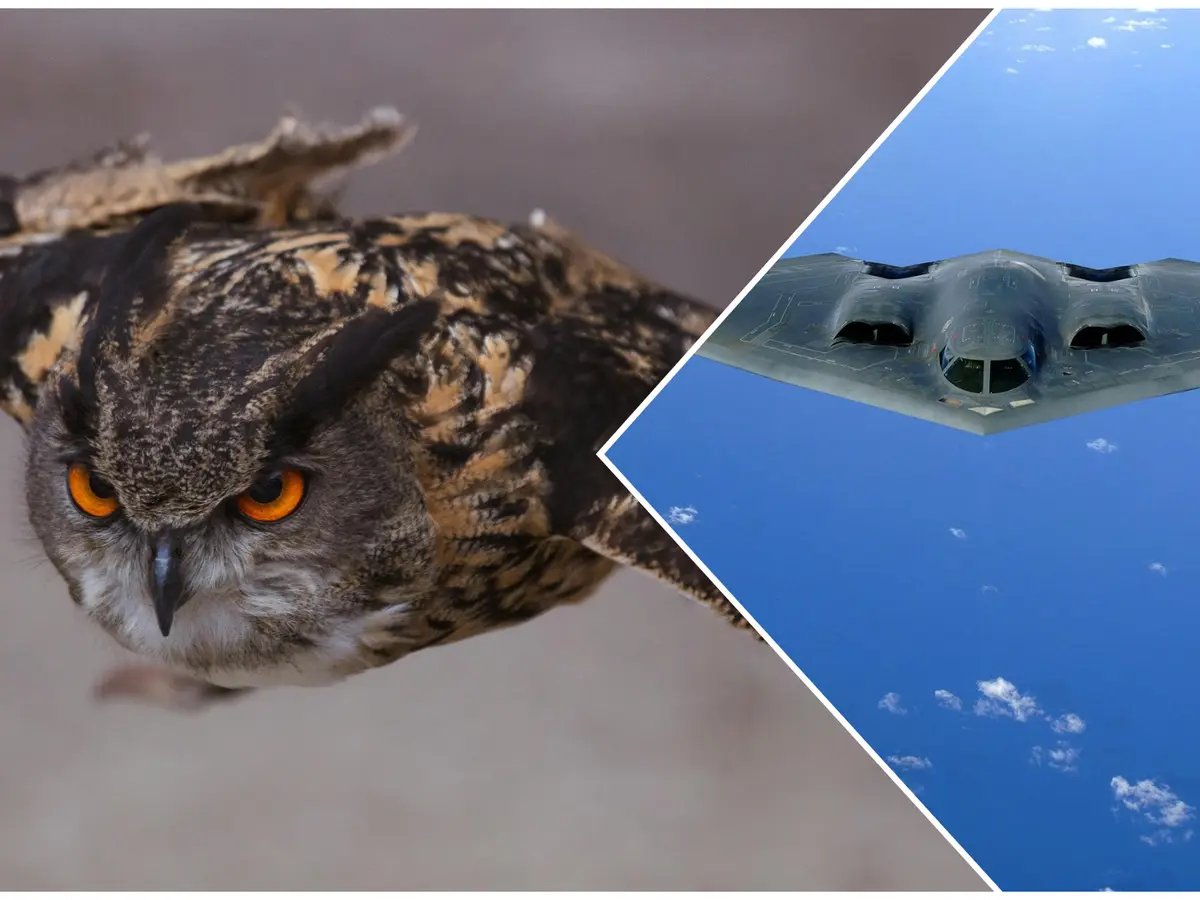
Air travel is getting bumpier due to climate change, making some people nervous about flying.
Engineers are looking at owls for help!
Owls fly quietly and smoothly, and scientists are studying their wings.
They've found that features like the edges of their wings help reduce noise and turbulence.
Researchers have created new flaps based on these designs.
These flaps are being tested on planes and could make them more stable and reduce how much they shake.
This new bio-inspired engineering could lead to quieter and safer flights in the future, by using what owls have perfected over time!

Turbulence is increasing, partly due to climate change, causing concerns for air passengers.
Aviation engineers are studying owl wing designs to inspire aircraft improvements.
Owl wing features like serrations, fringes, and flexible controls reduce noise and turbulence.
Princeton University researchers developed bird-feather-inspired flaps that improve lift and stability.
Bio-inspired engineering is being adapted in aircraft, drones, and wind turbines to reduce turbulence and noise.
- Who
- Aviation engineers and researchers are studying owl wings and applying findings to aircraft design.
- What
- Engineers are using owl wing designs to improve aircraft stability and reduce turbulence.
- When
- Research and development are ongoing, with advancements made in recent years.
- Where
- Research is being conducted in universities and applied to aircraft, drones, and turbines.
- Why
- To reduce turbulence and noise, making flights safer and more comfortable, due to climate change.
Challenges
Progress
Implementation Challenges
Challenges
Difficulties in material selection and certification delays are challenges.
Progress
Ongoing research is exploring diverse designs.
- Turbulence Increase
- Nearly 55% bumpier than 40 years ago.
- Injuries Cost
- $150 million to 500 million annually.
- Flap Lift Improvement
- Up to 45% increase in lift.
- Flap Drag Reduction
- Up to 31% reduction in drag.
- Noise Reduction
- Up to 10 dB with serrations and fringes.