1 day ago
IIT Bombay Death Renews Debate Over Pressure and Responsibility
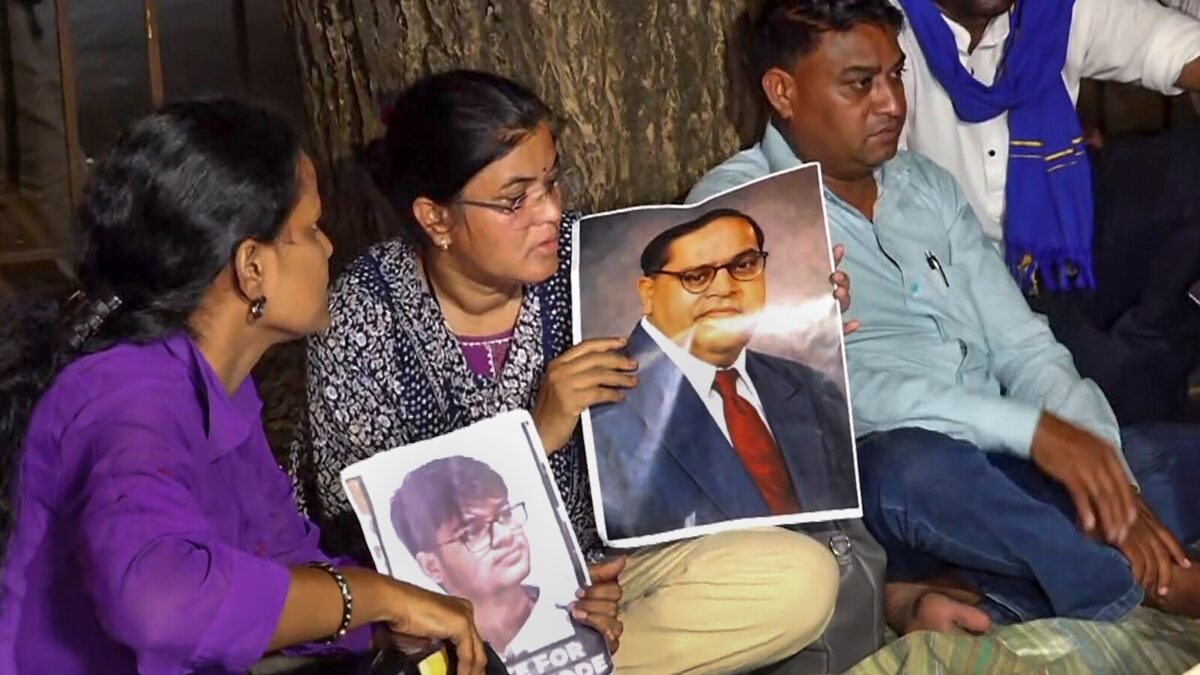
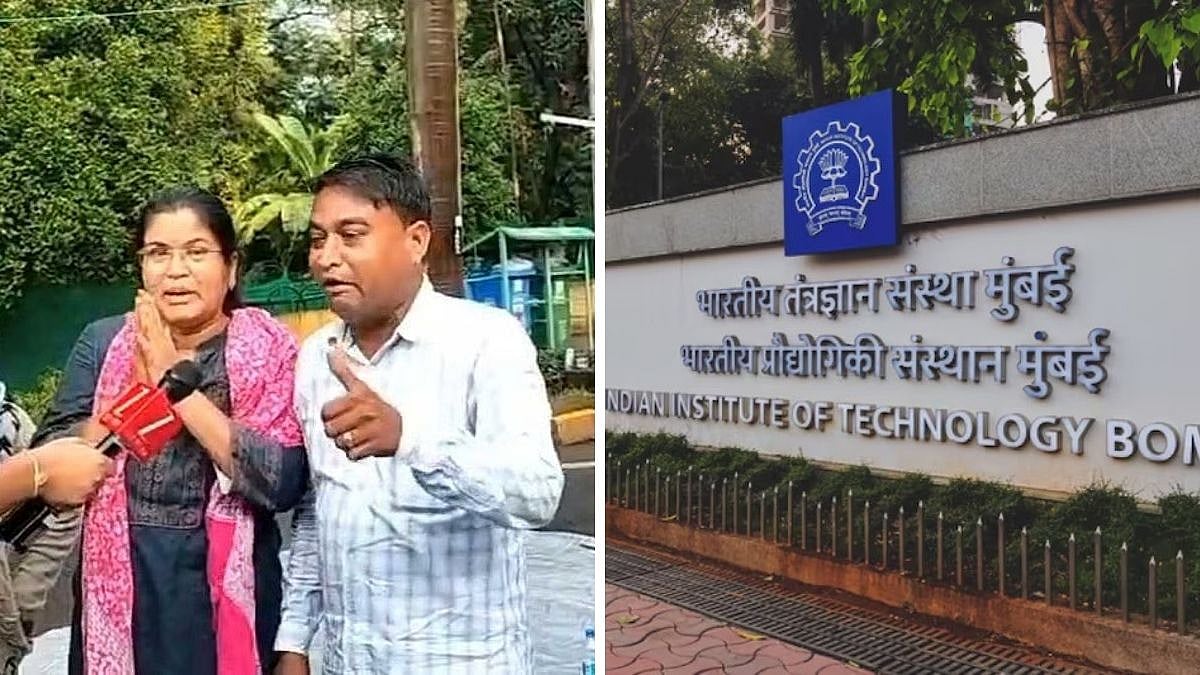
Sahil Wakode was a 22-year-old student at IIT Bombay who died by suicide.
This happened after an incident during an examination involving an alleged mobile-phone violation.
Police and another official body are investigating what happened.
The facts have not yet been fully established.
The article says students should receive support when they feel overwhelmed.
It also says colleges must keep fair academic rules and standards.
Parents should not treat admission to a prestigious college as a guarantee of perfect success.
Students can ask for help, accept mistakes, change courses or choose a different path.
No exam, mistake or career setback is worth losing a life.

Sahil Wakode, a 22-year-old second-year BTech student, died by suicide on September 18, 2026, at the IIT Bombay campus.
His death followed an incident during a mid-semester examination in which he was allegedly found using a mobile phone.
The Mumbai Police Crime Branch is examining CCTV footage and other evidence, while the National Commission for Scheduled Castes has sought preservation and examination of relevant material.
The opinion argues that institutions should provide counselling, mentoring, fair disciplinary processes and grievance mechanisms while maintaining academic standards.
It urges students and families to treat failure, changing paths and seeking help as alternatives to ending one’s life.
- Who
- Sahil Wakode, a 22-year-old second-year BTech student at IIT Bombay; his family, police investigators and the National Commission for Scheduled Castes are involved in the response.
- What
- Wakode died by suicide after an examination-related incident, prompting debate about student pressure, academic standards and institutional responsibility.
- Where
- The death occurred at the IIT Bombay campus.
- When
- Wakode died on September 18, 2026; the opinion was published and updated on September 29, 2026.
- Why
- The death followed an incident in which Wakode was allegedly found using a mobile phone during a mid-semester examination, but the circumstances and responsibility remain under investigation.
Greater Support and Reduced Pressure
Maintained Standards and Personal Responsibility
How institutions should respond
Greater Support and Reduced Pressure
Institutions should provide counselling, mentoring, accessible grievance mechanisms and humane treatment, and some argue that academic pressure should be reduced.
Maintained Standards and Personal Responsibility
Institutions must continue to conduct examinations, complete coursework and enforce academic-conduct rules because professional degrees require defined standards.
Responding to failure or misconduct
Greater Support and Reduced Pressure
Students facing overwhelming pressure should be able to seek help and reconsider their course or career without treating that change as failure.
Maintained Standards and Personal Responsibility
Students should accept responsibility for mistakes or academic misconduct, face fair consequences and prepare to handle competition, failure and rejection.
Responsibility for the death
Greater Support and Reduced Pressure
The tragedy has prompted allegations and demands for scrutiny of institutional conduct and student treatment.
Maintained Standards and Personal Responsibility
The article argues that blame should not be assigned to a faculty member, administrator or institution before investigators establish the facts through due process.
Key facts
- Student
- Sahil Wakode, a 22-year-old second-year BTech student
- Date of death
- September 18, 2026
- Location
- IIT Bombay campus
- Examination incident
- Wakode was allegedly found using a mobile phone during a mid-semester examination
- Police investigation
- The Mumbai Police Crime Branch is examining CCTV footage and other evidence
- Additional review
- The National Commission for Scheduled Castes has sought preservation and examination of relevant evidence
- Article's central argument
- Student support and compassion should be strengthened without removing legitimate academic standards
Sources
Related news
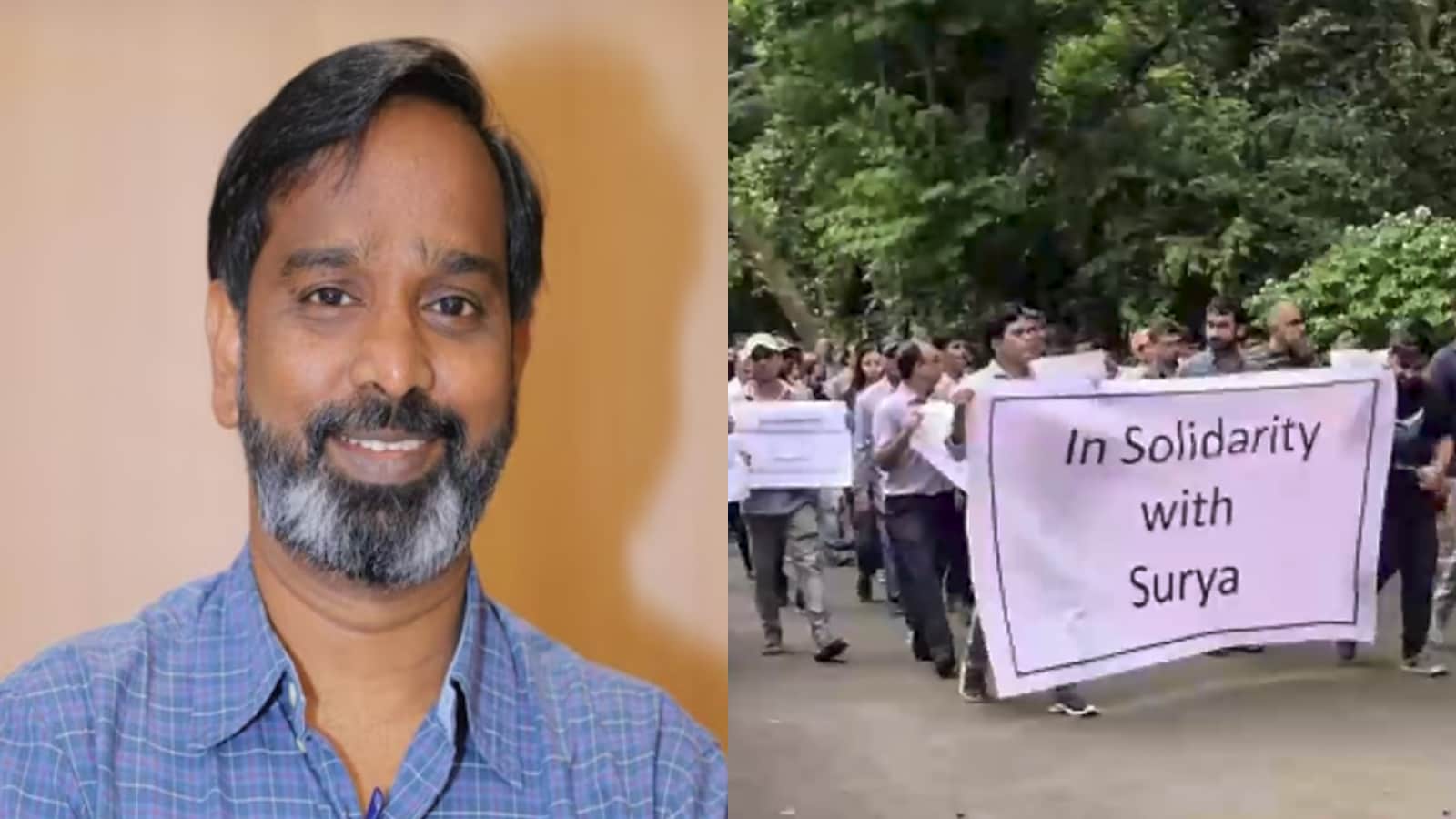
IIT Faculties and Students Defend Professor in Suicide Probe
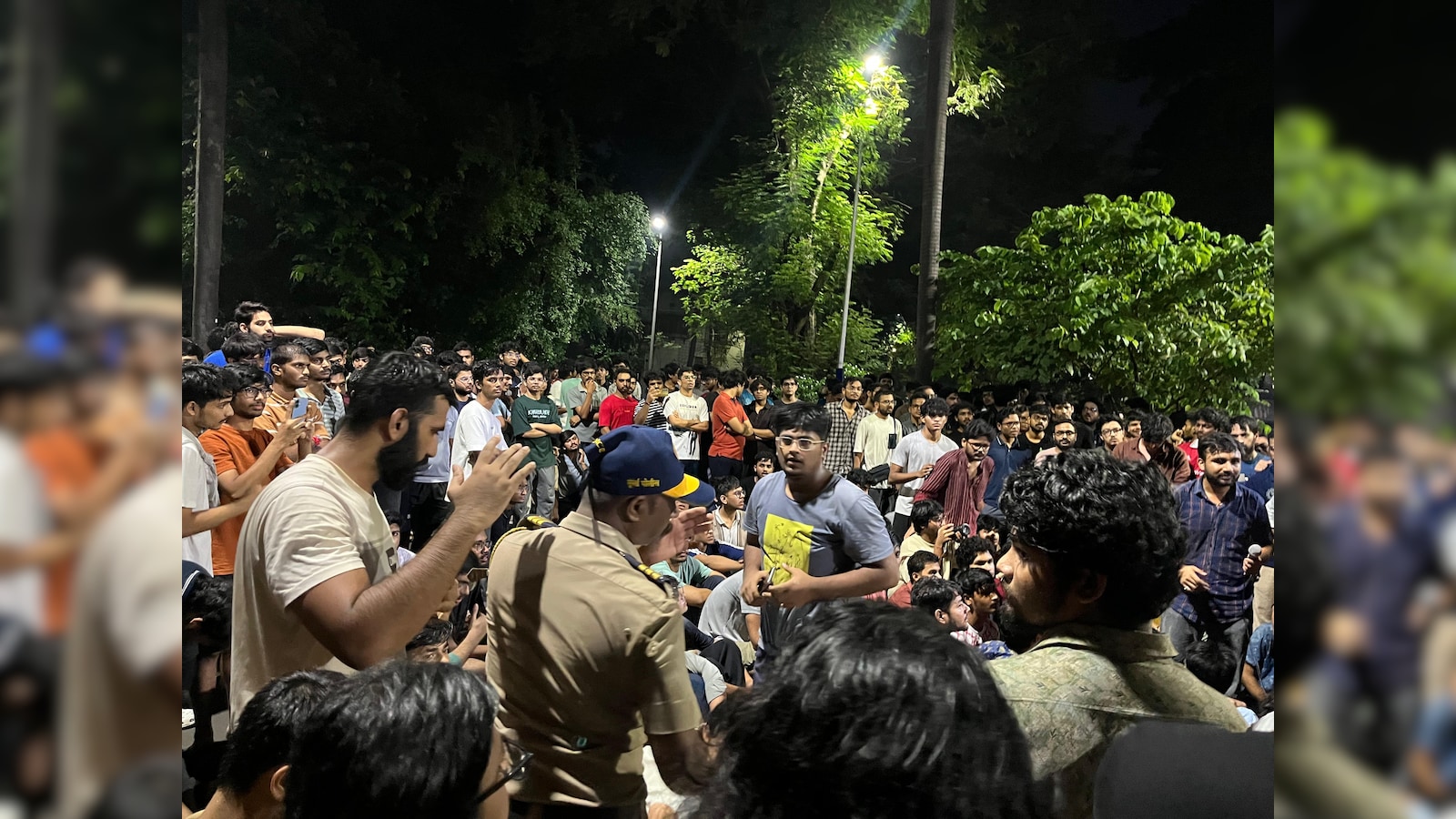
IIT Bombay Student Death Spurs Protests Over Accountability
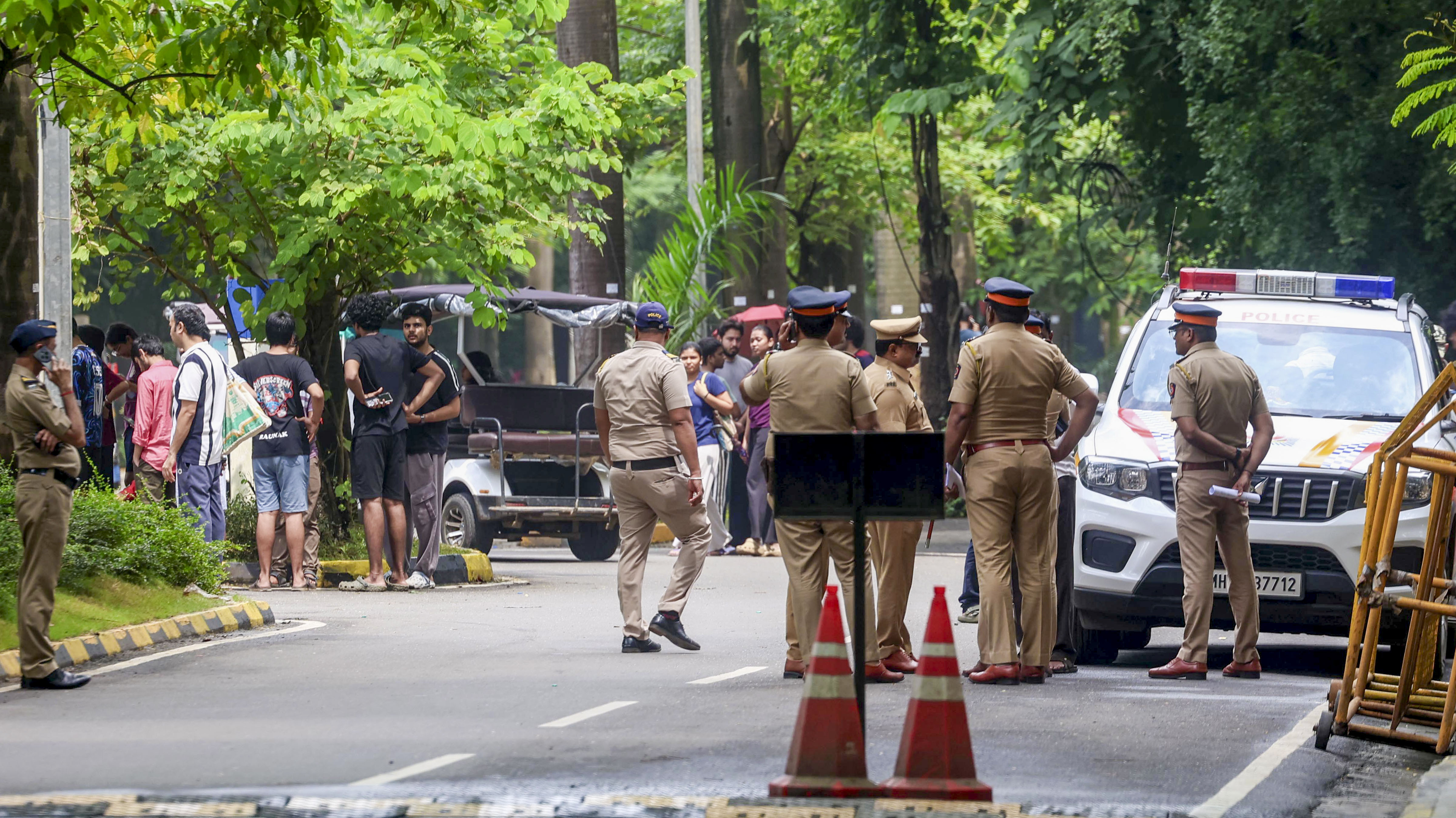
IIT Bombay Tensions Rise After Student’s Death
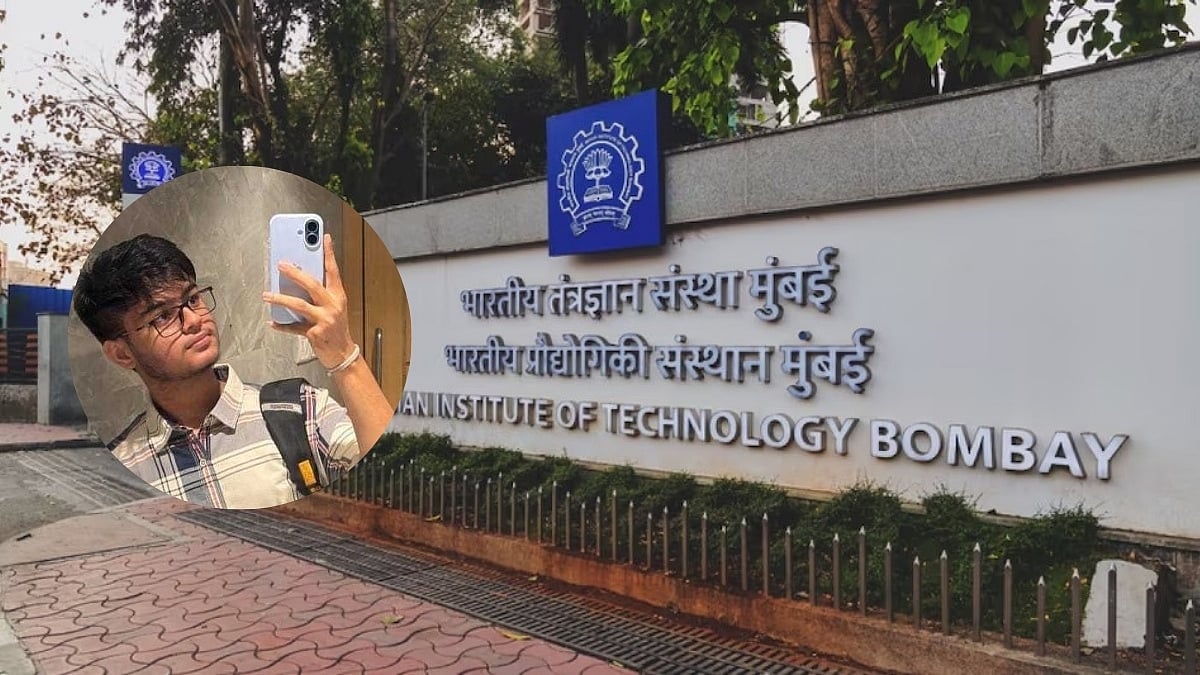
IIT Bombay Students Seek Reforms, Clarify Cheating and Doolla Stance
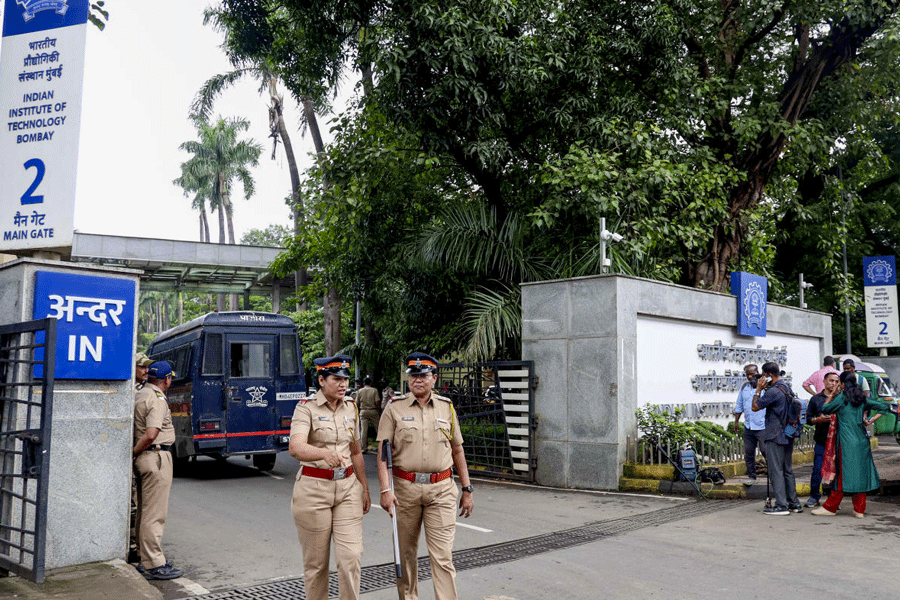
IIT Bombay Students Seek Reforms After Sahil Wakode’s Death
IIT Bombay Death Sparks Protest and Mental Health Concerns
Ambedkarite Groups Demand IIT Bombay Apology, Inquiry Reforms After Death

Sahil Wakode’s Parents Continue Hunger Strike, Seek IIT Bombay Justice
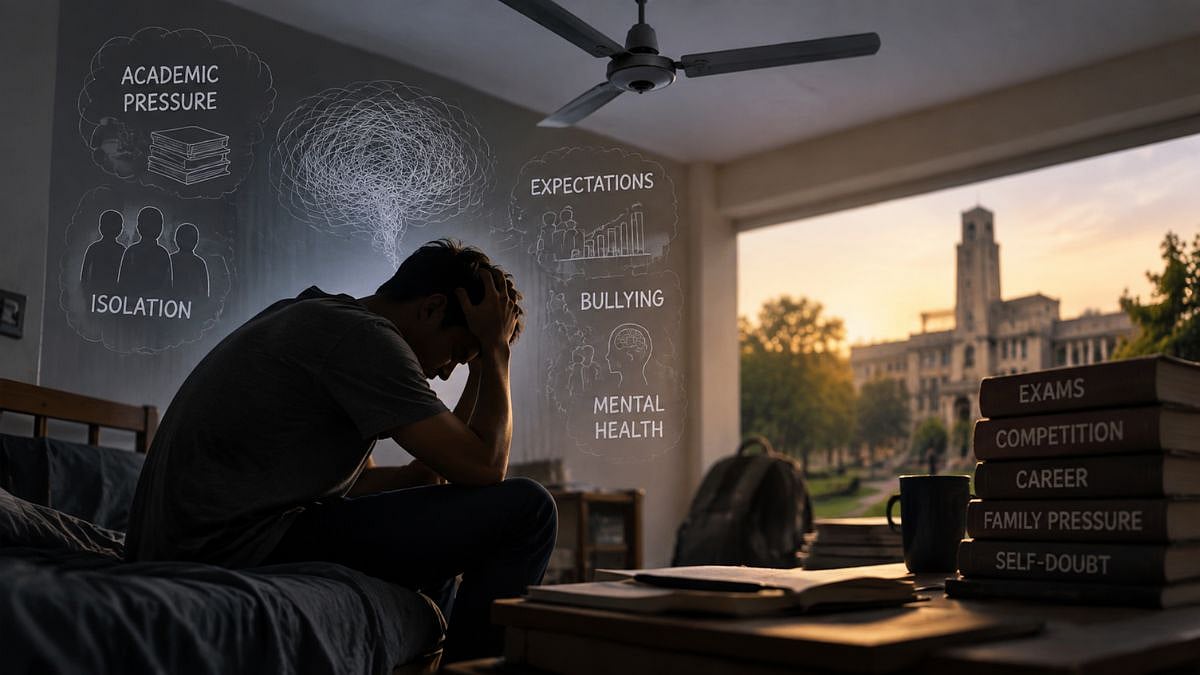
Student Suicides: Why Ceiling Fan Changes Cannot Solve Campus Crisis
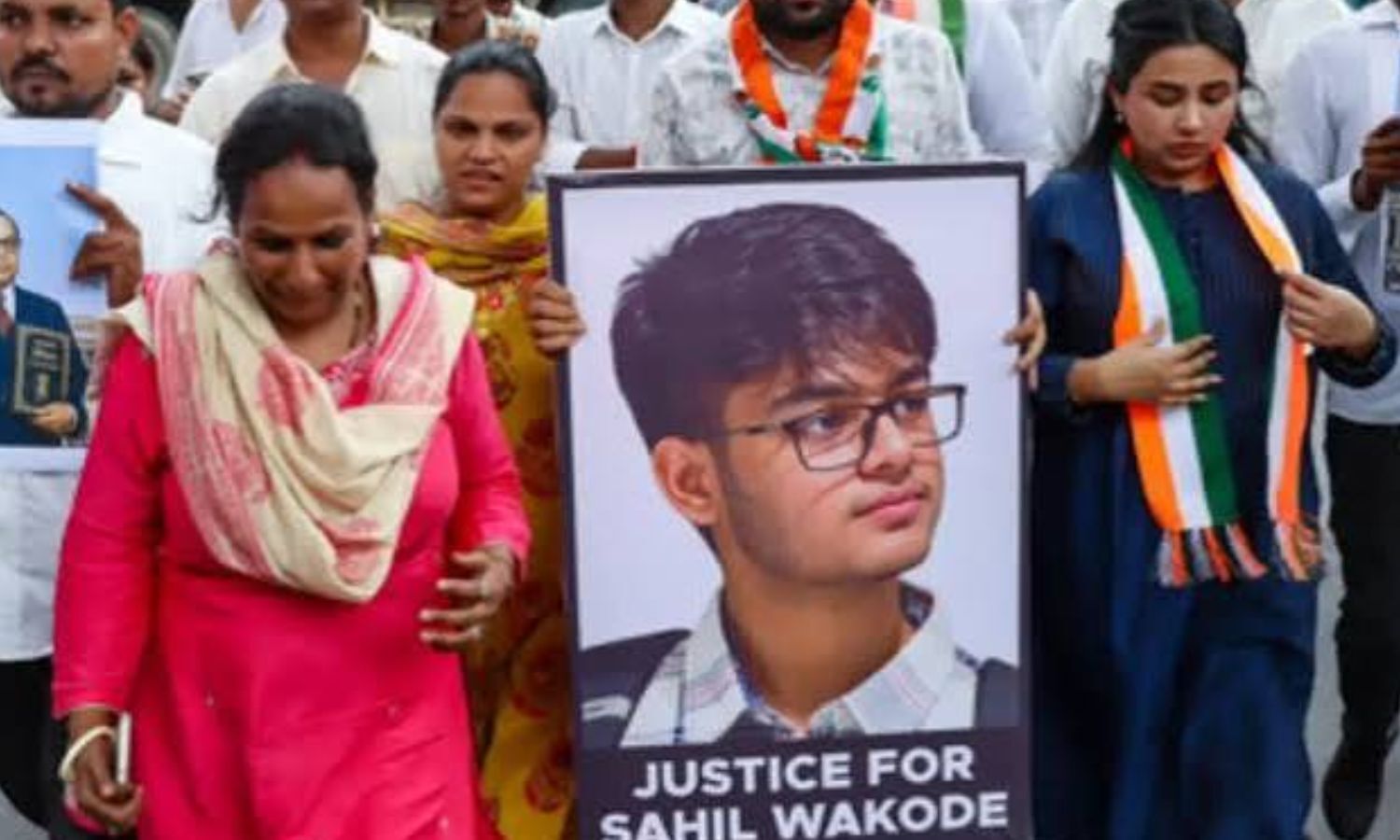
Police Probe IIT Bombay Student’s Death After Exam Incident