

Archive · 26 Jun 2025
SC Denounces 'Hurt Sentiments' Curb on Free Speech
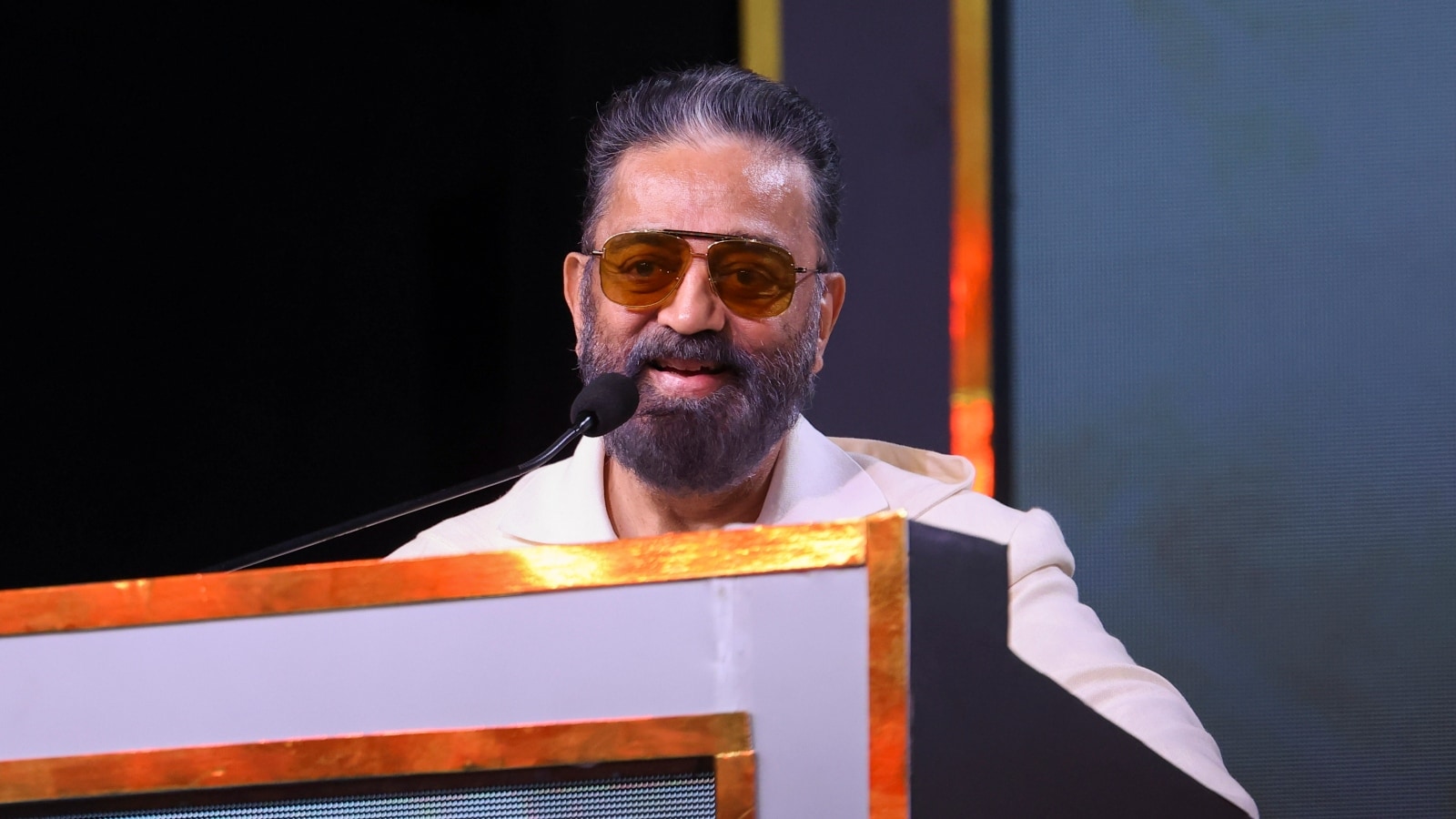
Imagine a movie got in trouble because some people were offended.
The Supreme Court stepped in, saying the government and courts shouldn't stop the movie just because feelings were hurt.
The court said people should be able to show their movies, even if some disagree.
The article argues that only real problems like violence should stop free speech, not just hurt feelings.
It uses the movie as an example of how 'hurt sentiments' can be used to limit what people can say or do, and the article suggests this is bad for democracy.

The Supreme Court criticized the Karnataka government and High Court for their actions related to the film 'Thug Life'.
The film faced opposition due to actor Kamal Haasan's comment that Kannada originated from Tamil.
Pro-Kannada groups and the Karnataka Film Chamber of Commerce demanded an apology from Haasan.
The Supreme Court emphasized that public sentiment should not override legal rights to release a certified film.
The article argues that restrictions on free speech should be based on objective criteria, not 'hurt sentiments'.
- Who
- The Supreme Court, Karnataka government, Kamal Haasan, and various groups involved in the controversy over the film 'Thug Life'.
- What
- The Supreme Court's stance on freedom of speech and the use of 'hurt sentiments' to justify censorship.
- When
- June 19, 2025 (Hearing Date)
- Where
- Karnataka, India
- Why
- To address the issue of censorship and the misuse of 'hurt sentiments' to restrict free speech.
Those favoring freedom of expression
Those supporting restrictions based on sentiment
Free Speech vs. Hurt Feelings
Those favoring freedom of expression
Free speech should be protected.
Those supporting restrictions based on sentiment
Restrictions on free speech should be based on objective criteria like incitement to violence.
- Case
- Supreme Court hearing regarding 'Thug Life' film
- Controversy
- Kamal Haasan's comment on the Kannada language
- Key Issue
- Restrictions on free speech based on 'hurt sentiments'
- Legal Basis
- Article 19 of the Indian Constitution
- Relevant Act
- Section 299 of BNS (anti-blasphemy law)