Archive · 1 Nov 2025
Mercury Poisoning Fears Grow Among Indigenous Amazon Women, Threatening Unborn Babies
In the Amazon, people who dig for gold use a substance called mercury, which is very harmful.
This mercury washes into the rivers, making the fish sick.
When Indigenous people eat these fish, the mercury gets into their bodies.
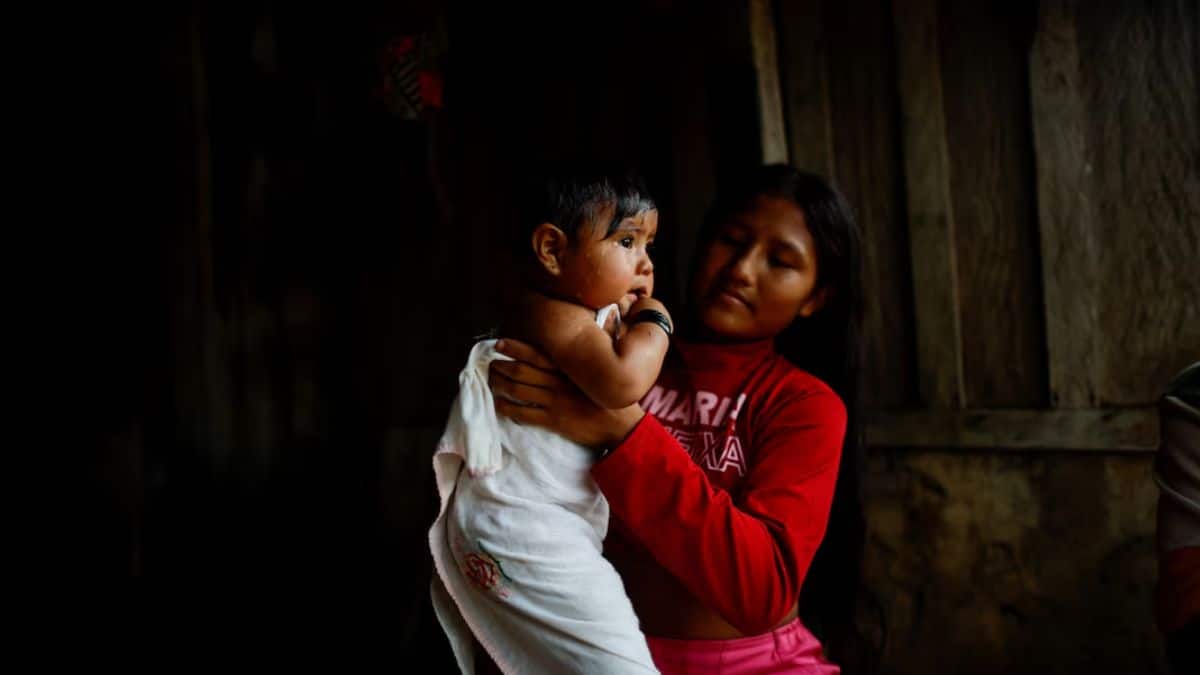
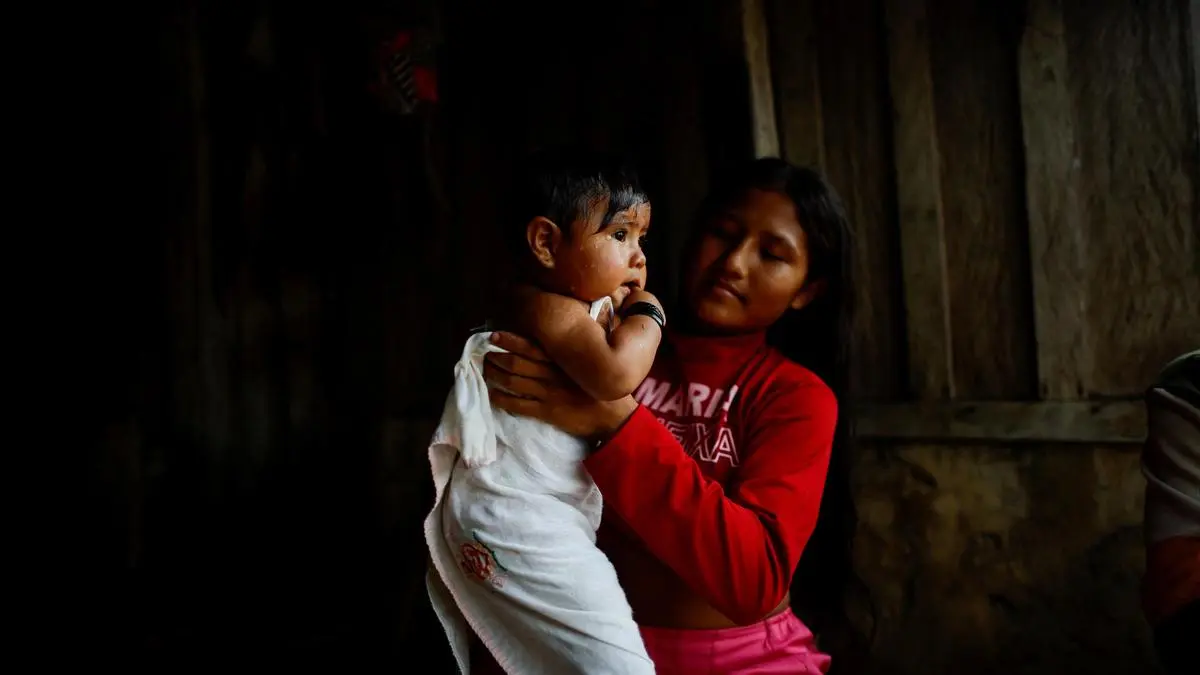
This is especially worrying for pregnant mothers because it can harm their babies, sometimes causing them to have trouble moving or speaking, like a little girl named Rany.
Scientists are studying this to understand how mercury from the gold mining is making children sick.
Even if the mining stops, the mercury will stay in the environment for a very long time, making it hard for people to find safe food and stay healthy.
The government is trying to help by monitoring the mercury and providing clean water, but it's a big challenge.

Illegal gold mining in the Amazon is contaminating rivers with mercury, severely impacting Indigenous health.
Indigenous women fear pregnancy due to mercury levels in breast milk and potential harm to unborn children.
A new study is investigating a link between mercury exposure and neurological disorders in at least 36 children in the Munduruku community.
Despite risks, Indigenous people continue to eat contaminated fish as it is their primary food source, leading to a hunger-or-health dilemma.
While government efforts have increased monitoring and interventions, mercury contamination poses a long-lasting environmental and health crisis for future generations.
- Who
- Indigenous communities in the Amazon, particularly women and children, along with scientists and government officials.
- What
- Widespread mercury contamination from illegal gold mining is causing neurological disorders and posing severe health risks, including to unborn children, in Indigenous communities.
- When
- Ongoing crisis, with a new study concluding by the end of 2026; government efforts to drive out miners began in 2023.
- Where
- Amazon rainforest, specifically in Indigenous territories such as the Munduruku, Yanomami, and Kayapó.
- Why
- Illegal gold mining operations use mercury, which contaminates rivers, fish, and subsequently the people who rely on them for food.
Indigenous Rights and Health Advocates
Economic Necessity and Mining Interests
Impact of Mercury
Indigenous Rights and Health Advocates
Mercury from illegal mining is causing severe neurological disorders and posing a grave threat to the health of current and future generations of Indigenous people, making traditional food sources unsafe.
Economic Necessity and Mining Interests
While mercury is known to be dangerous, the economic reality for many families depends on gold mining for survival, and alternative livelihoods are scarce.
Food Security vs. Health Risks
Indigenous Rights and Health Advocates
Health officials' advice to stop eating contaminated fish poses an immediate threat of starvation to Indigenous communities, highlighting the need for external support and safe food alternatives.
Economic Necessity and Mining Interests
The need to feed families means that the immediate risk of hunger outweighs the long-term health concerns associated with consuming contaminated fish.
Long-term Contamination
Indigenous Rights and Health Advocates
The mercury already released into the environment will persist for decades, necessitating urgent and comprehensive cleanup efforts and long-term health monitoring for affected populations.
Economic Necessity and Mining Interests
The immediate focus should be on economic survival and ensuring livelihoods, with environmental remediation being a secondary concern or a challenge to be addressed in the future.
- Study Conclusion
- Late 2026
- Affected Communities
- Munduruku, Yanomami, Kayapó Indigenous Territories
- Mercury Contamination Levels
- Often 2-3 times hazardous threshold for pregnant mothers; 5 times above safe levels for mothers in study area; babies had 3 times mother's level.
- Neurological Disorders
- At least 36 children in study area showing unexplained neurological disorders, preliminary data.
- Government Action
- Increased monitoring, training for health officials, investment in clean water sources, driving out miners since 2023.
- Gold Extraction Method
- Mercury used to bind gold specks extracted from riverbanks.