

Archive · 30 Sep 2026
Gujarat High Court Upholds Kejriwal Cost in Modi Degree Case
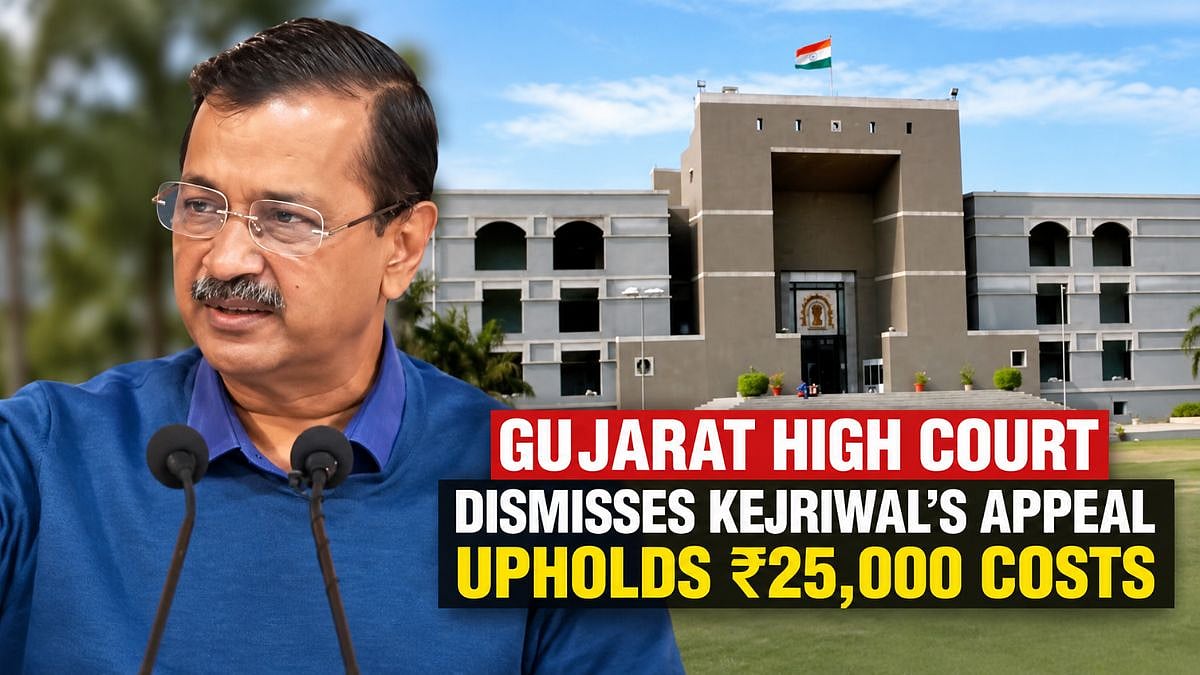
Arvind Kejriwal wanted information about Prime Minister Narendra Modi’s university degrees.
In 2016, the Central Information Commission told Gujarat University and Delhi University to provide records.
Gujarat University challenged that direction in court.
A single judge cancelled the commission’s order in 2023 and ordered Kejriwal to pay Rs 25,000.
Kejriwal appealed the decision to a larger bench.
The Gujarat High Court rejected his appeal and kept the cost in place.
His lawyers said the commission had acted without a proper RTI application.
The university said the records were private and that the case did not show a larger public interest.
The court agreed that the commission had not followed the required process and that the records were protected in these circumstances.

The Gujarat High Court dismissed Arvind Kejriwal’s appeal concerning disclosure of Narendra Modi’s educational records.
A division bench upheld the 2023 single-judge ruling that quashed the Central Information Commission’s 2016 directive.
The court maintained costs of Rs 25,000 imposed on Kejriwal for allegedly misusing the RTI process.
Kejriwal’s counsel argued that the CIC acted on a letter rather than a formal RTI application and that he had not persistently sought the records.
Gujarat University argued that Kejriwal pursued the matter relentlessly and that the records were private and not subject to disclosure absent larger public interest.
- Who
- The Gujarat High Court, Arvind Kejriwal, Gujarat University, Delhi University, the Central Information Commission, and Narendra Modi were involved.
- What
- The High Court rejected Kejriwal’s appeal, upheld the quashing of the CIC directive, and maintained the Rs 25,000 cost.
- When
- The division bench issued its ruling on September 29; the underlying single-judge ruling was issued on March 31, 2023.
- Where
- The case was decided by the Gujarat High Court in Ahmedabad and concerned records held by Gujarat and Delhi universities.
- Why
- The court found no basis to interfere with the earlier ruling, including its finding that the CIC had acted without a properly filed RTI application.
Kejriwal’s Position
Gujarat University’s Position
Validity of the RTI proceedings
Kejriwal’s Position
Kejriwal’s counsel argued that the CIC treated a written response as an RTI application and acted without a formal request to the university concerned.
Gujarat University’s Position
Gujarat University argued that the CIC lacked authority to direct disclosure without the procedure required under the RTI Act.
Basis for the Rs 25,000 cost
Kejriwal’s Position
Kejriwal’s lawyers disputed the finding that he had persistently pursued the degree records and challenged the basis for imposing costs.
Gujarat University’s Position
The university said Kejriwal pursued the case relentlessly and held press conferences that allegedly defamed the institution.
Public interest and privacy
Kejriwal’s Position
Kejriwal’s side argued that the Prime Minister’s educational records should fall within the RTI framework, particularly if the degree information was publicly available online.
Gujarat University’s Position
The university and the court’s ruling treated the educational records as private information, with no larger public interest shown to justify disclosure.
- Appeal outcome
- The Gujarat High Court dismissed Kejriwal’s appeal.
- Cost upheld
- Rs 25,000 imposed on Kejriwal.
- CIC directive
- The 2016 directive asked universities to provide information about Modi’s educational records.
- Single-judge ruling
- The Gujarat High Court quashed the CIC directive on March 31, 2023.
- Kejriwal’s argument
- His counsel said the CIC acted on a letter rather than a formal RTI application and that Kejriwal had not persistently sought the records.
- University’s argument
- Gujarat University said the case was pursued relentlessly and that using the RTI process in this way could burden officials.
- Court’s privacy finding
- The court held that the educational records were protected personal information in the circumstances described.
