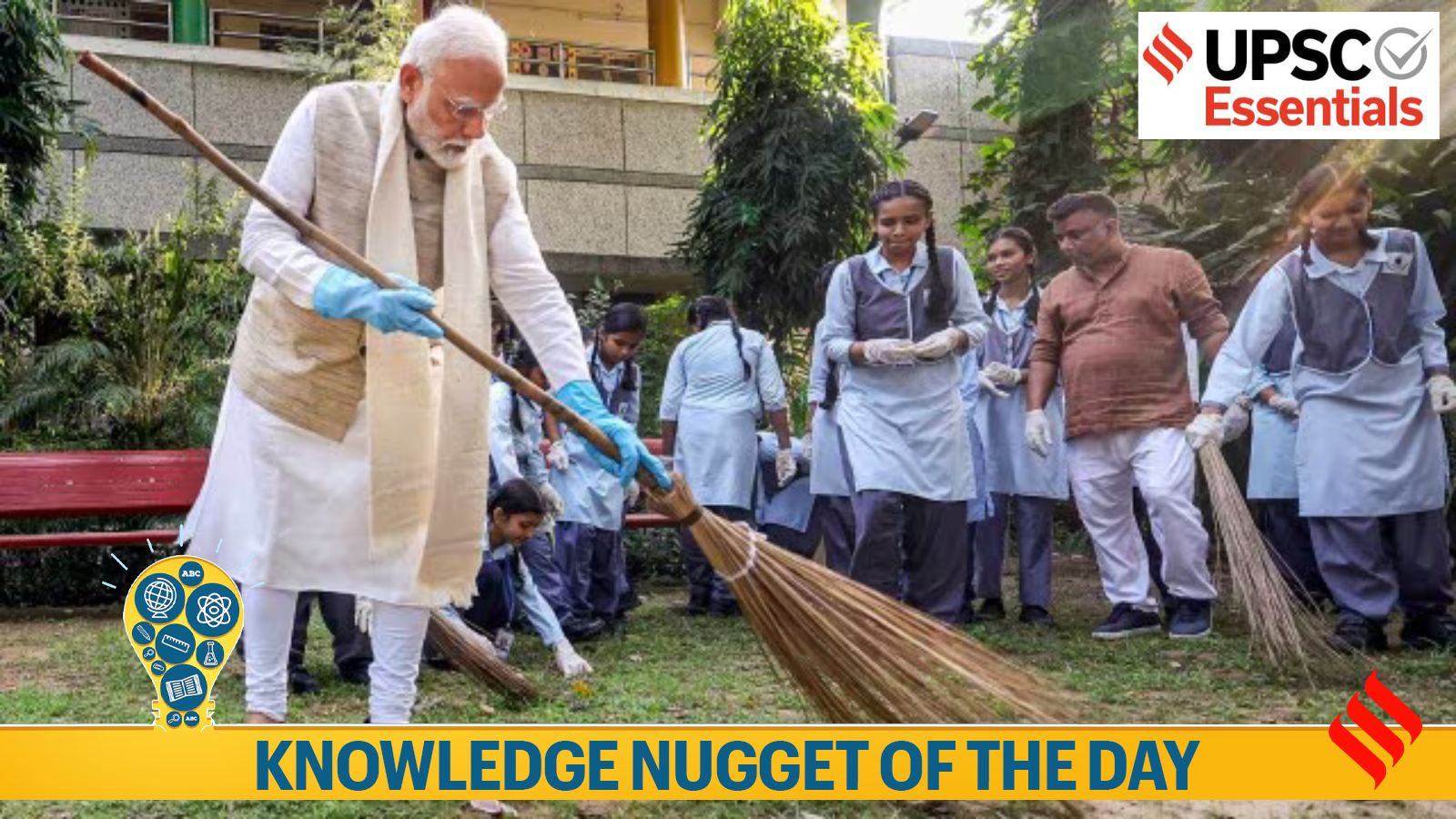
Archive · 2 Oct 2025
Swachh Bharat Mission: A Decade of Impact and Future Goals
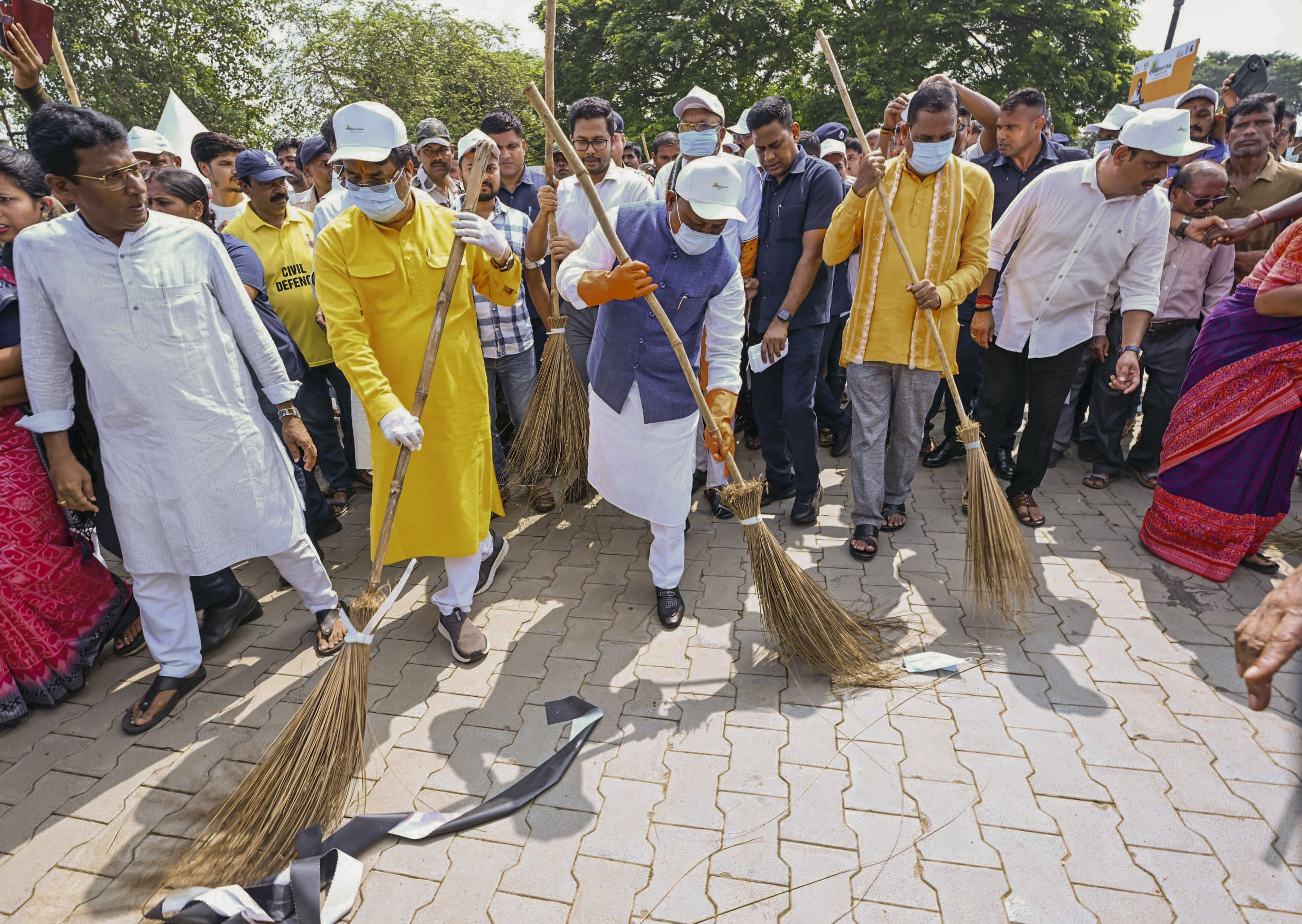
The Swachh Bharat Mission, started in 2014, aims to clean up India.
It's split into two parts: one for cities (SBM-U) and one for villages (SBM-G).
The goal was to stop open defecation and manage waste.
The SBM-U focuses on making cities garbage-free.
SBM-G looks to continue the cleanliness goals and deal with waste, including compost and wastewater.
It has been associated with 60,000 - 70,000 fewer infant deaths annually.
The project encourages people to take care of their own sanitation to meet Gandhi's dream of a clean India.

Swachh Bharat Mission (SBM) was launched on October 2, 2014, with the goal of a clean India.
The mission is divided into SBM-Gramin (villages) and SBM-Urban (cities).
SBM-U aims for 100% Open Defecation Free status, Solid Waste Management, and behavior change.
SBM-U 2.0 (2021-2026) focuses on garbage-free cities, faecal sludge and plastic waste.
SBM-G Phase II aims to sustain ODF status and improve waste management by 2024-25.
- Who
- Government of India, citizens, various ministries
- What
- Implementation and impact of the Swachh Bharat Mission (SBM).
- When
- Launched October 2, 2014; SBM-U 2.0 extended to October 2026; SBM-G Phase II until 2025-26.
- Where
- India, both rural and urban areas.
- Why
- To achieve a cleaner and healthier India, aligned with Sustainable Development Goals.
Criticism
Advocacy
Focus and Implementation
Criticism
Focus is on infrastructure, which fails to tackle complex waste and sanitation management.
Advocacy
It is a step forward in creating a framework and awareness around better sanitation to create a cleaner India.
- Launch Date
- October 2, 2014
- Implementing Ministries
- Ministry of Drinking Water and Sanitation; Ministry of Housing and Urban Affairs
- Key Objectives
- Open Defecation Free India, Solid & Liquid Waste Management
- SBM-Urban 2.0 Focus
- Garbage-Free Cities, Plastic Waste Management
- SBM-G Phase II Goal
- ODF-Sustainability, Waste Management by 2024-25
- Financial Savings (UNICEF)
- Rs 50,000 annually per household
Sources
Gandhi Jayanti and the Next Chapter of Swachh Bharat

Nearly ₹3,300 crore generated from disposal of e-waste during cleanliness drives: Jitendra Singh

Nearly Rs 3,300 cr generated from disposal of e-waste during cleanliness drives: Jitendra Singh
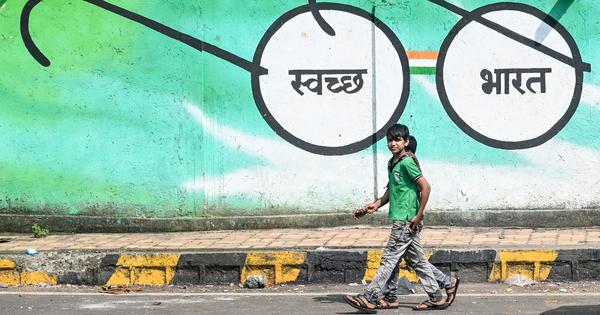
Insights from a Gandhian approach to solid waste management in urban India