

Archive · 15 Dec 2025
India's Maritime Vision 2030 Aims for Green Hydrogen and Sustainability
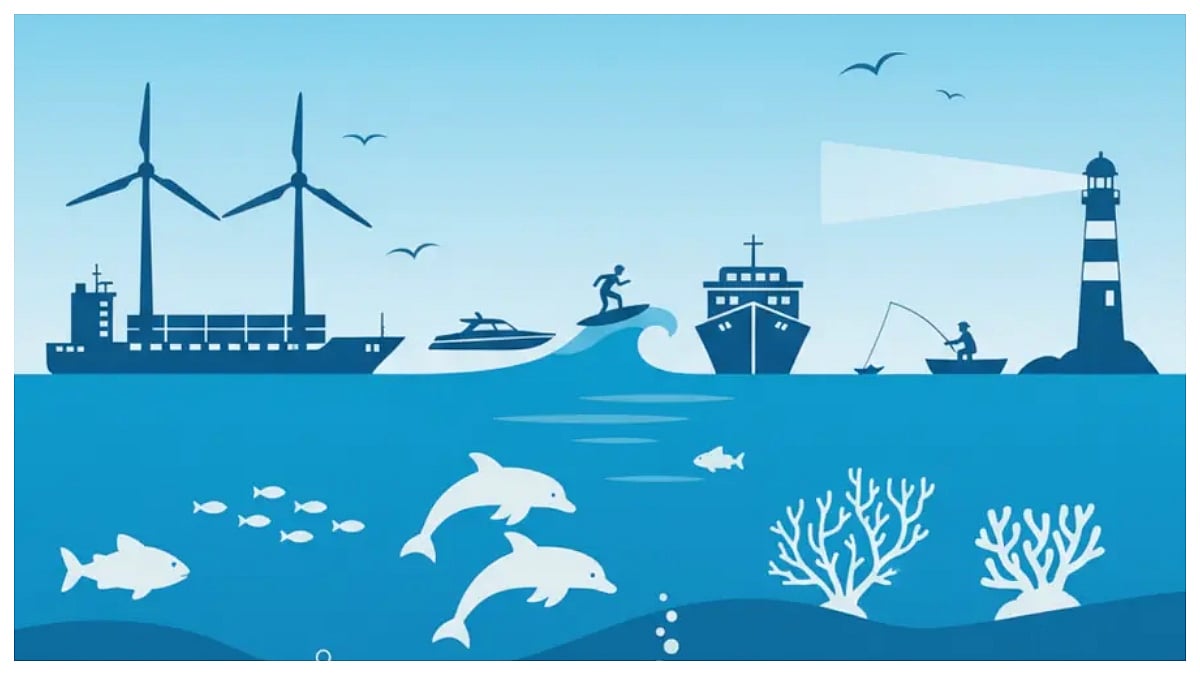
India is planning a big change in its maritime sector.
They want to make their ports and ships cleaner and more sustainable.
They have a plan called 'Maritime India Vision 2030' that focuses on using green hydrogen, ammonia, biofuels, and LNG.
This plan aims to produce 5 million tonnes of green hydrogen every year by 2030, which will help reduce carbon emissions and create jobs.
The government is also investing a lot of money in this plan.
They are developing three major ports as green hydrogen hubs and setting up green corridors.
By 2047, India wants to be a top maritime and shipbuilding power, focusing on sustainability and decarbonization.

India's 'Maritime India Vision 2030' aims to make the maritime sector greener and more sustainable.
The National Green Hydrogen Mission targets 5 million tonnes of green hydrogen annually by 2030, with Rs 8 lakh crore in investments and 6 lakh jobs created.
Three major ports—Kandla, Paradip, and Tuticorin—are being developed as green hydrogen hubs.
The 'Maritime Amrit Kaal Vision 2047' outlines a long-term roadmap with Rs 80 lakh crore earmarked for various maritime initiatives.
The Rs 25,000 crore Maritime Development Fund will support green infrastructure, alternative fuels, and fleet modernization.
- Who
- India's Ministry of Ports, Shipping and Waterways (MoPSW)
- What
- Launch of 'Maritime India Vision 2030' and 'Maritime Amrit Kaal Vision 2047'
- When
- Announced on Monday
- Where
- India
- Why
- To advance trade, connectivity, sustainability, and resilience in the maritime sector
- Initiative
- Maritime India Vision 2030
- Green Hydrogen Goal
- 5 million tonnes annually by 2030
- Investment Goal
- Rs 8 lakh crore
- Job Creation Goal
- 6 lakh jobs
- Fossil Fuel Savings Goal
- Rs 1 lakh crore
- Key Ports for Green Hydrogen
- Kandla, Paradip, Tuticorin
- Total Investment for 2047
- Rs 80 lakh crore
- Maritime Development Fund
- Rs 25,000 crore
