

Archive · 22 Jul 2026
Maharashtra SIR: Logical discrepancies in electoral rolls
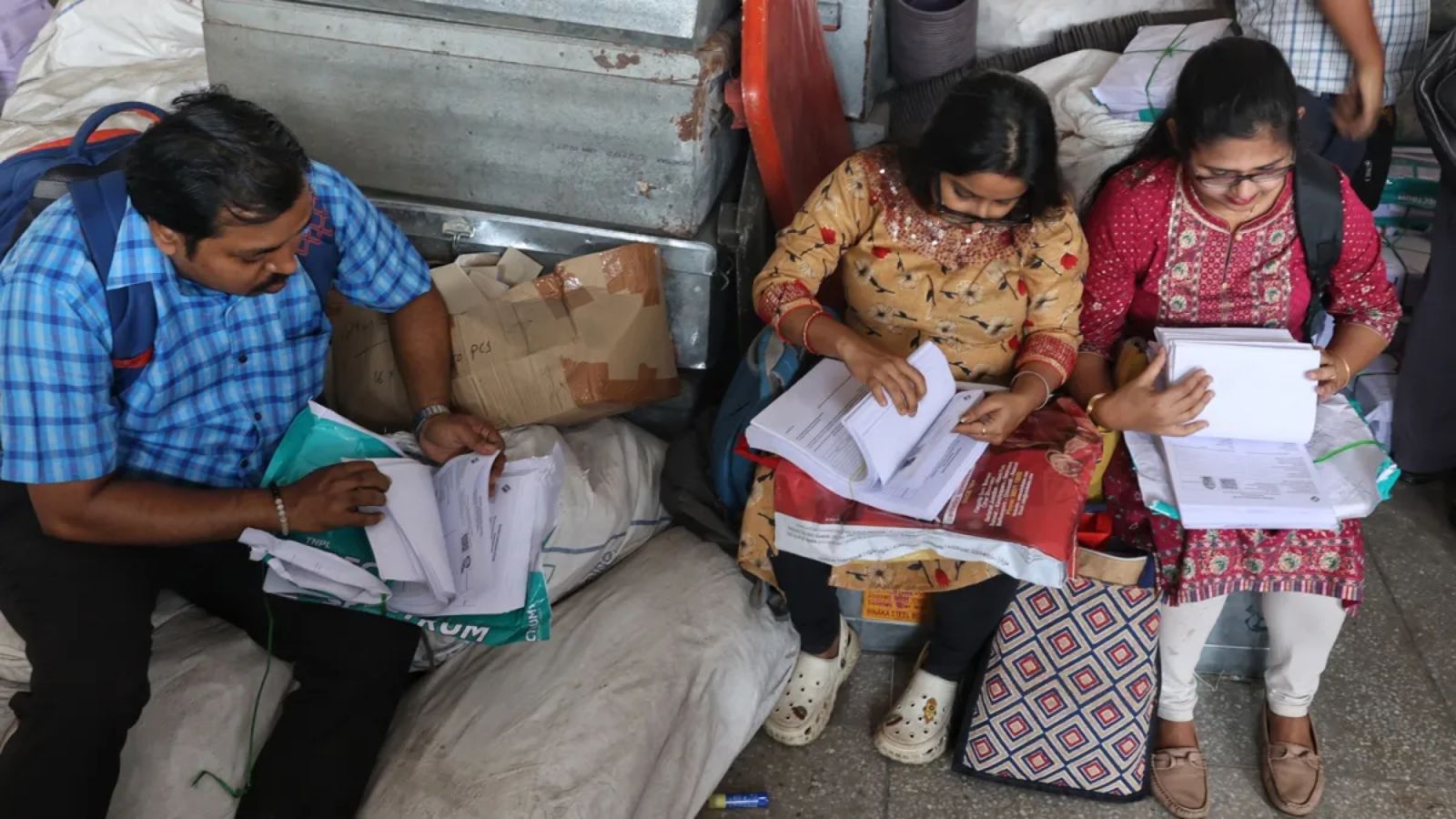
The Maharashtra government is updating the voter list to make sure everyone who can vote is correctly listed.
They are checking each voter's information against old records from 2002.
Sometimes, there are mistakes or differences in names, ages, or family details.
These are called 'logical discrepancies.'
If there are discrepancies, voters might need to show extra documents like a marriage certificate or birth certificate to prove they should be on the list.
The government says this is important to keep the voter list accurate.
Some people think the rules are too strict and might stop some people from voting.
The final list will be ready soon, and everyone is encouraged to check their details and fix any mistakes.

The Special Intensive Revision (SIR) of electoral rolls in Maharashtra will conclude door-to-door verification on August 8 and publish draft rolls on August 17.
Logical discrepancies include mismatches in names, parents' names, unusual age gaps, and multiple voters mapping to the same parent.
Voters with discrepancies may need to submit documents like marriage certificates or birth certificates to resolve issues.
The Election Commission accepts 12 documents, including Aadhaar, for verification purposes.
Online SIR forms require in-person verification by Booth Level Officers (BLOs) to confirm voter details.
- Who
- Maharashtra Chief Electoral Officer S Chockalingam, voters in Maharashtra
- What
- Special Intensive Revision (SIR) of electoral rolls
- When
- Door-to-door verification concludes on August 8, draft rolls published on August 17
- Where
- Maharashtra and 12 other states and 3 Union Territories
- Why
- To ensure the accuracy and integrity of the electoral rolls by mapping current voters with the 2002 electoral roll
Voter Inclusion
Voter Exclusion
Definition of Logical Discrepancies
Voter Inclusion
Voters argue that the criteria for logical discrepancies are too broad and can lead to unjust exclusions.
Voter Exclusion
The Election Commission maintains that these discrepancies are necessary to ensure the accuracy and integrity of the electoral rolls.
Document Requirements
Voter Inclusion
Voters find the requirement to submit additional documents burdensome, especially for those who may not have access to or possess the necessary documents.
Voter Exclusion
The Election Commission believes that requiring documents like marriage certificates and birth certificates is essential to verify the authenticity of voter information.
- Door-to-door verification phase
- Concludes on August 8
- Draft electoral rolls publication
- August 17
- States and Union Territories undergoing SIR
- 13 states and 3 Union Territories
- Examples of logical discrepancies
- Mismatches in names, parents' names, unusual age gaps, multiple voters mapping to the same parent
- Documents accepted for verification
- Aadhaar, marriage certificate, birth certificate, school leaving certificate