Archive · 29 May 2025
Diabetes Nighttime Symptoms and What To Do
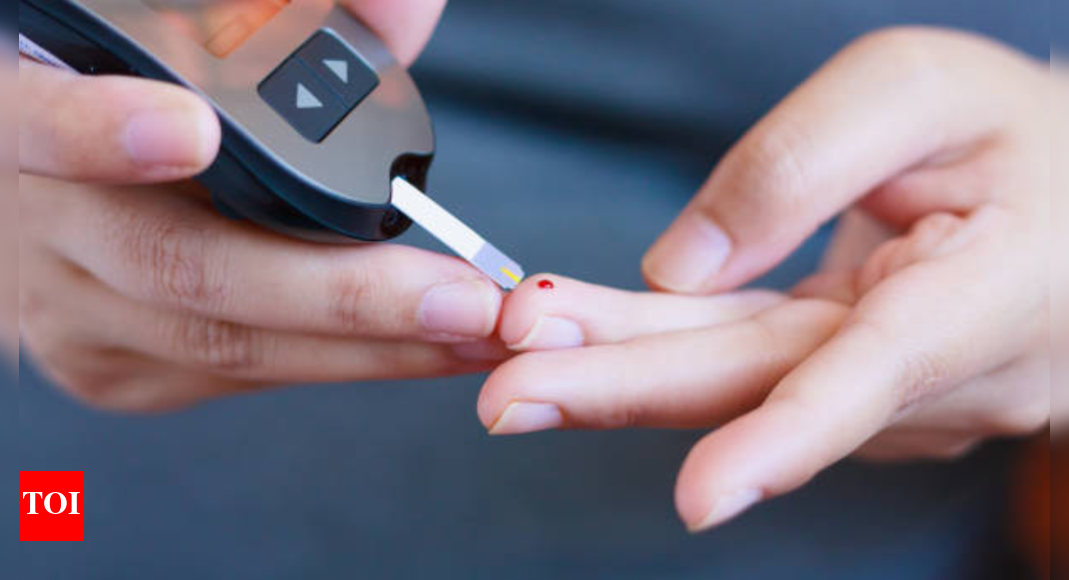
Diabetes can cause your blood sugar to get too high or too low during the night.
If it gets too low, you might sweat, have bad dreams, or feel tired.
If it's too high, you might need to pee a lot, be really thirsty, or get headaches.
These problems can mess up your sleep.
If you notice these things, check your sugar levels, be careful about what you eat before bed, and talk to your doctor.
Taking care of your blood sugar at night helps you sleep better and stay healthy.

Diabetes can cause high or low blood sugar at night.
Low blood sugar can cause sweating, nightmares, and fatigue.
High blood sugar may lead to frequent urination and thirst.
Poor sleep quality and vision problems can result from high blood sugar.
Monitoring blood sugar and seeking medical advice are recommended.
- Who
- People with diabetes.
- What
- Symptoms of high and low blood sugar during sleep
- When
- During sleep/at night.
- Where
- Not applicable.
- Why
- To identify nighttime symptoms and manage blood sugar.
- Conditions
- Hyperglycemia (high blood sugar) and Hypoglycemia (low blood sugar)
- Symptoms of Low Blood Sugar
- Sweating, nightmares, fatigue, shakiness, rapid heartbeat, hunger, nausea
- Symptoms of High Blood Sugar
- Frequent urination, excessive thirst, headaches, poor sleep quality, blurred vision, nausea, fatigue
- Causes of High Blood Sugar
- Eating late, insufficient insulin, or the dawn phenomenon
- Other Signs
- Overactive sweat glands, pins and needles, dry or itchy skin
- Recommendations
- Monitor blood sugar, adjust diet/medication, manage hypoglycemia, improve sleep, seek medical advice