Archive · 17 Sep 2026
India Rejects Pakistan-China Boundary Commission Over Claimed Indian Territory
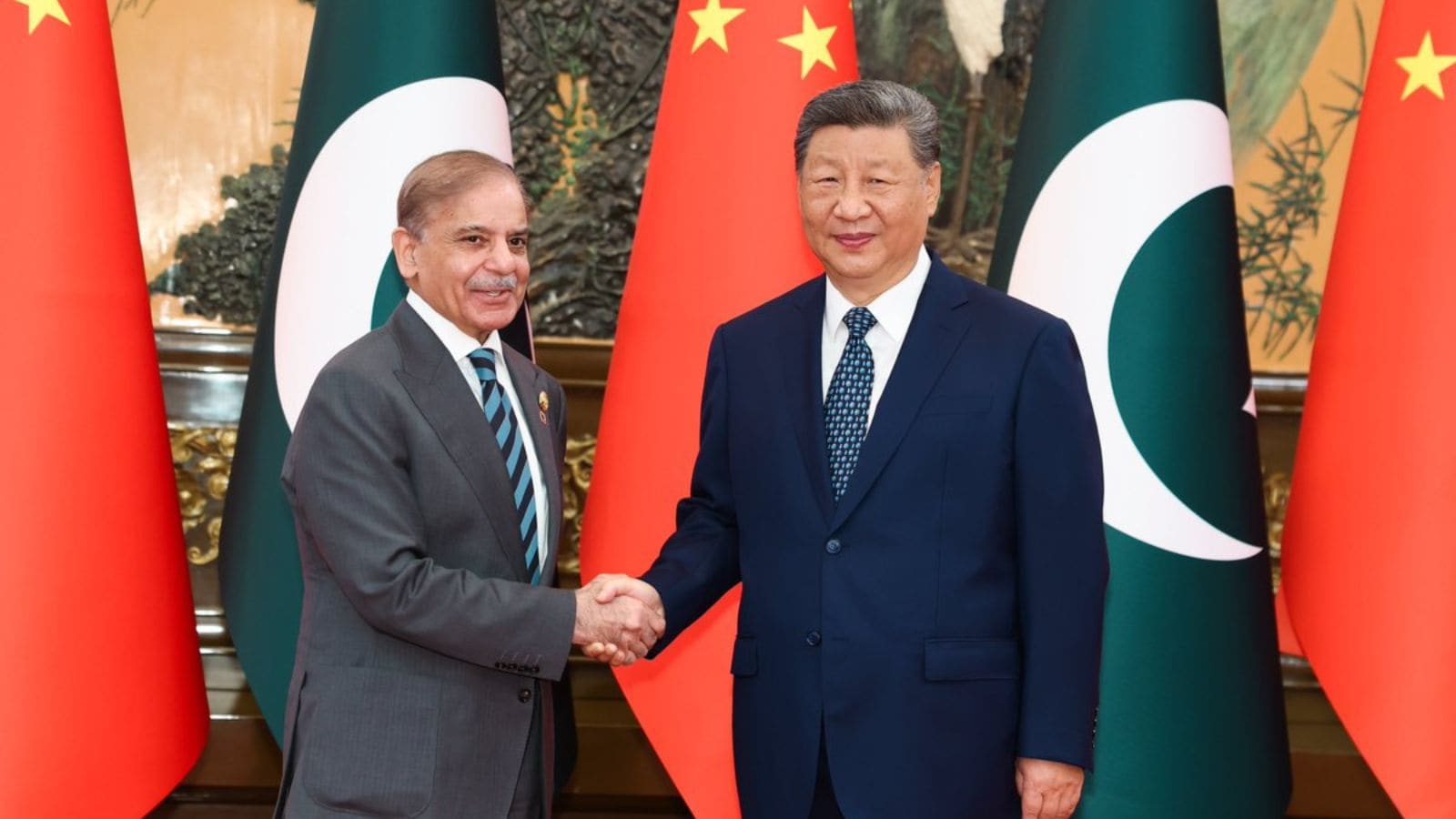
Pakistan and China held the first meeting of a group about their shared border.
Pakistan said the group could improve border management, surveys, trade and connections between people.
India strongly disagreed with the meeting.
India said the group has no legal basis because it does not recognise a Pakistan-China boundary in the territories concerned.
India says Jammu and Kashmir and Ladakh belong entirely to India.
It also rejects the 1963 agreement under which Pakistan transferred the Shaksgam Valley to China.
India said Pakistan cannot make deals about territory that India considers illegally occupied.
India demanded that Pakistan leave those areas and said the meeting would not change India’s territorial claims.

India rejected the Pakistan-China Boundary Joint Commission, calling it legally baseless.
India said there is no recognised Pakistan-China boundary involving the territories at issue.
New Delhi said Jammu and Kashmir and Ladakh are integral and inalienable parts of India.
India has never recognised the 1963 China-Pakistan Boundary Agreement, calling it illegal and invalid.
Pakistan and China held the commission’s inaugural meeting in Islamabad to pursue border, trade and connectivity cooperation.
- Who
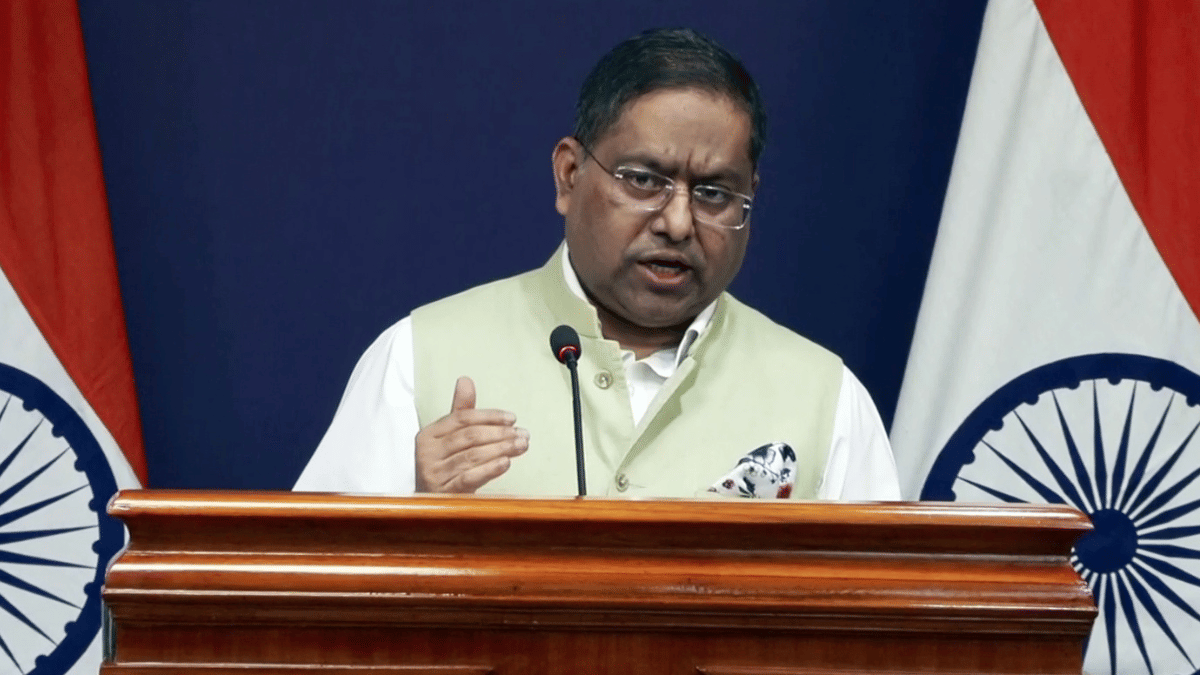
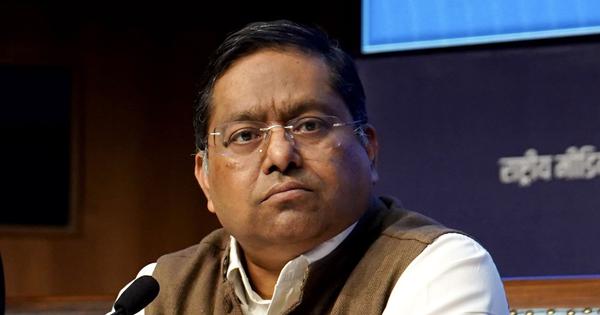
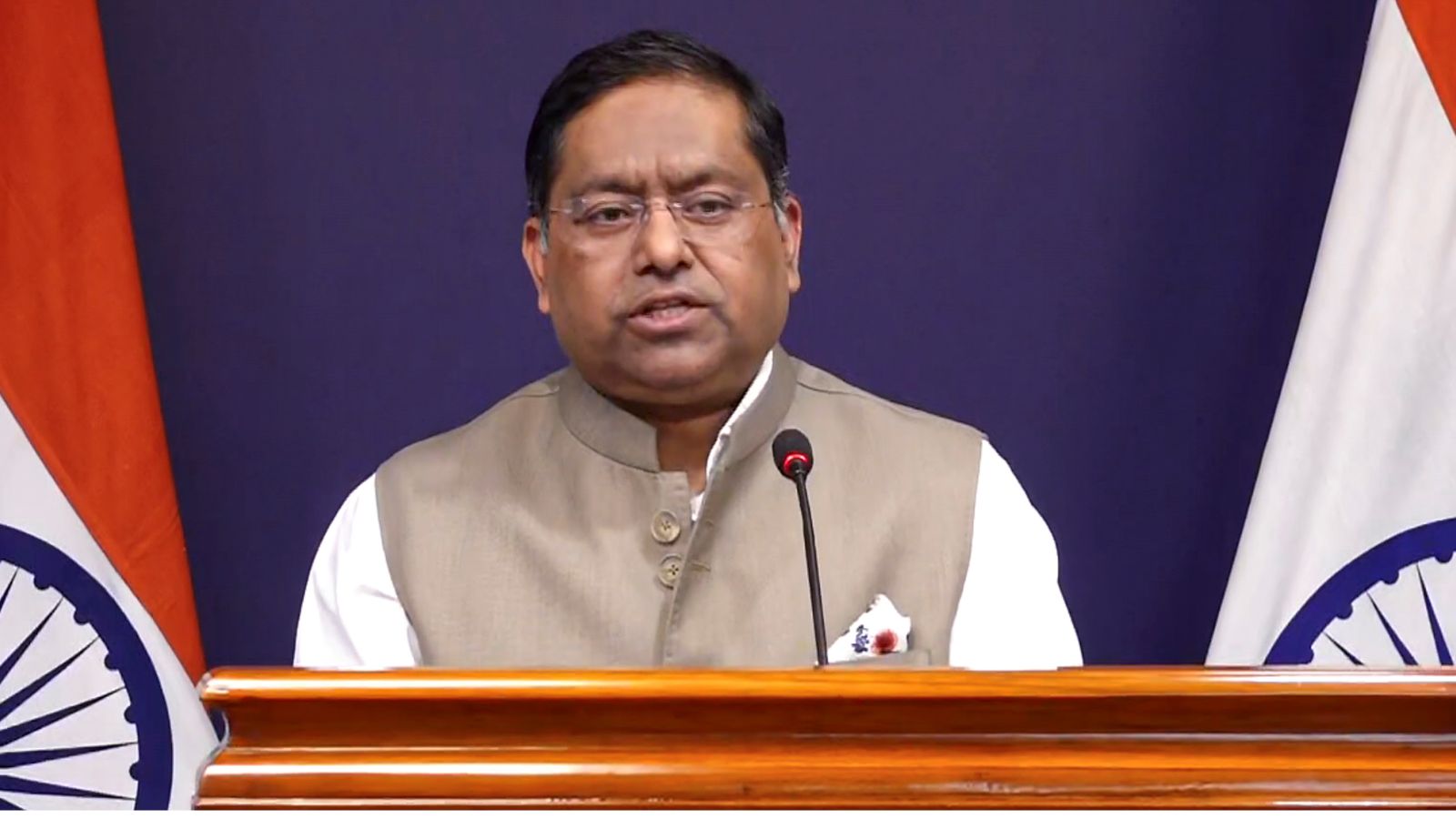
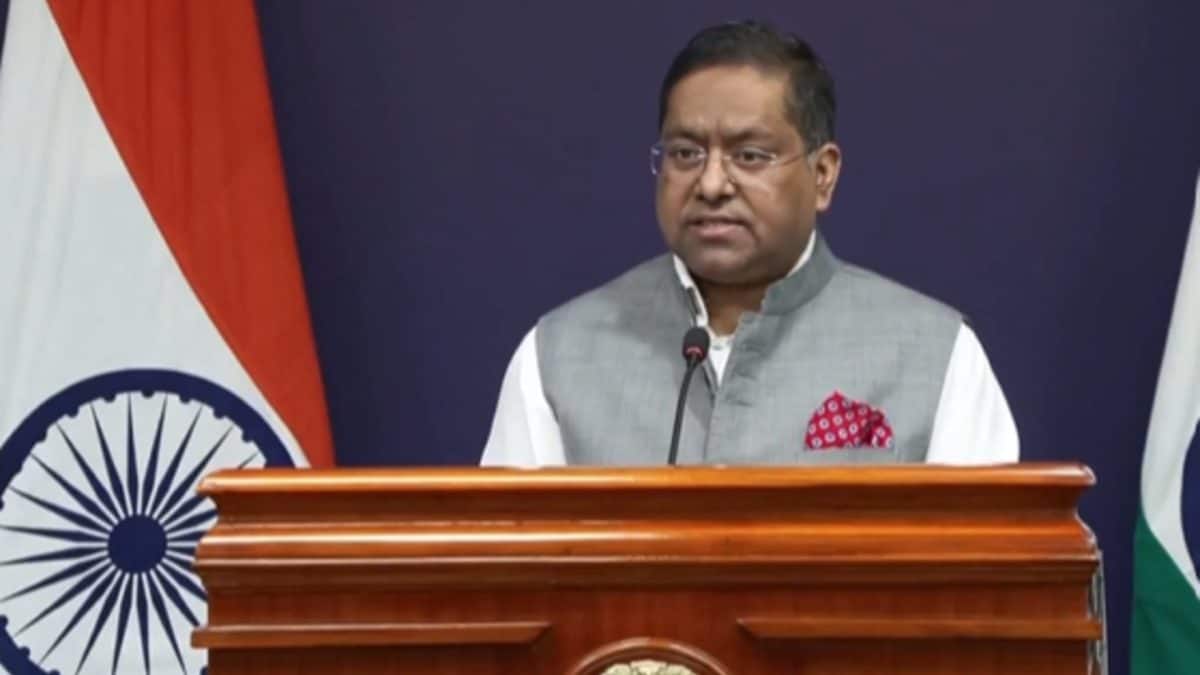
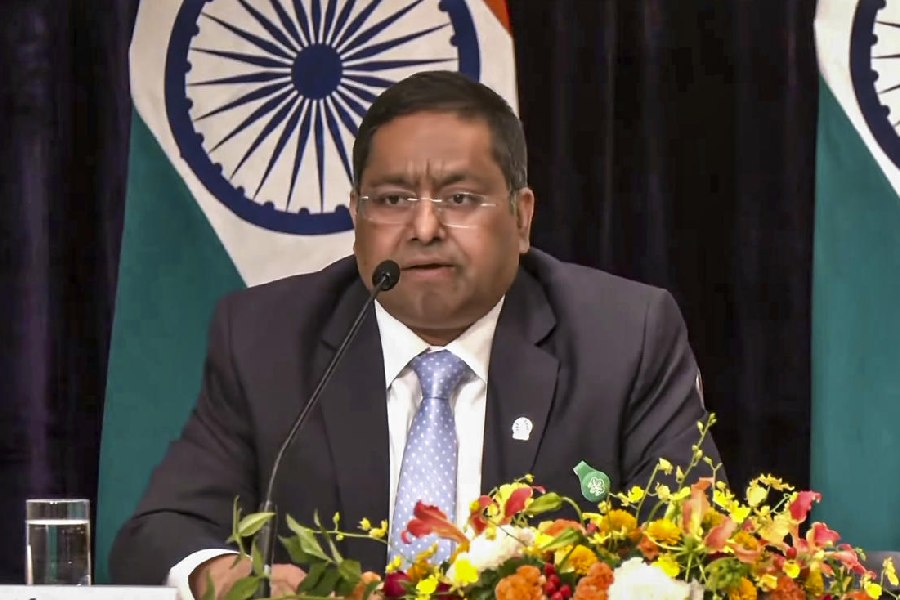
- India, Pakistan and China; India’s response was delivered by Ministry of External Affairs spokesperson Randhir Jaiswal.
- What
- Pakistan and China operationalised the Pakistan-China Boundary Joint Commission, while India rejected the commission and its legal basis.
- When
- The commission’s inaugural meeting and India’s response took place on Wednesday; the China-Pakistan Boundary Agreement was signed on March 2, 1963.
- Where
- The inaugural meeting was held at Pakistan’s Ministry of Foreign Affairs in Islamabad.
- Why
- Pakistan said the commission would support border management, joint surveys, trade flows and people-to-people connectivity; India said Pakistan had no authority to make arrangements concerning territory it considers Indian.
India’s Position
Pakistan-China’s Position
Legal basis
India’s Position
India said the commission has no legal basis because there is no recognised Pakistan-China boundary involving the territories at issue.
Pakistan-China’s Position
Pakistan and China operationalised the commission as a bilateral framework for border-related cooperation.
Status of the territories
India’s Position
India said Jammu and Kashmir and Ladakh are Indian territories and that Pakistan has no standing to make arrangements concerning them.
Pakistan-China’s Position
Pakistan and China proceeded with boundary cooperation under their bilateral framework, including areas India claims as its own.
Purpose and effect
India’s Position
India said the cooperation was unacceptable, could not alter the territories’ status and would not affect India’s sovereignty; it called the move Pakistani theatrics.
Pakistan-China’s Position
Pakistan said the commission would enhance border management, joint surveys, trade flows and people-to-people connectivity, describing its launch as a milestone in bilateral relations.
- Commission meeting
- Pakistan and China held the inaugural meeting of the Pakistan-China Boundary Joint Commission in Islamabad.
- Pakistan-China position
- Pakistan described the commission as a significant milestone and said it would support border management, joint surveys, trade flows and people-to-people connectivity.
- India’s legal objection
- India called the commission legally baseless and said there is no boundary between Pakistan and China concerning the territories at issue.
- Territorial claim
- India said the Union Territories of Jammu and Kashmir and Ladakh are integral and inalienable parts of India.
- 1963 agreement
- India said it has never recognised the China-Pakistan Boundary Agreement signed on March 2, 1963, and considers it illegal and invalid.
- Shaksgam Valley
- The articles said the 1963 agreement transferred approximately 5,180 square kilometres of the Shaksgam Valley from Pakistan to China; India considers the area part of Ladakh.
- Related objection
- India has opposed the China-Pakistan Economic Corridor because part of it passes through territory India describes as Pakistan-occupied Kashmir.
Sources

‘Without any legal basis’: India rejects so-called Pakistan-China Boundary Joint Commission
‘Has no legal basis’: India rejects Pakistan-China ‘boundary commission’
India says Pakistan-China boundary panel ‘without any legal basis’
India Rejects Pak-China Border Commission On Indian Areas, Slams "Theatrics"
‘There is no boundary between Pakistan, China’: India rejects Beijing-Islamabad border panel
India rejects Pak-China 'boundary commission' amid Islamabad 'theatrics' - Telegraph India