

Archive · 30 Jan 2026
Plastic Containers Pose Health Risks
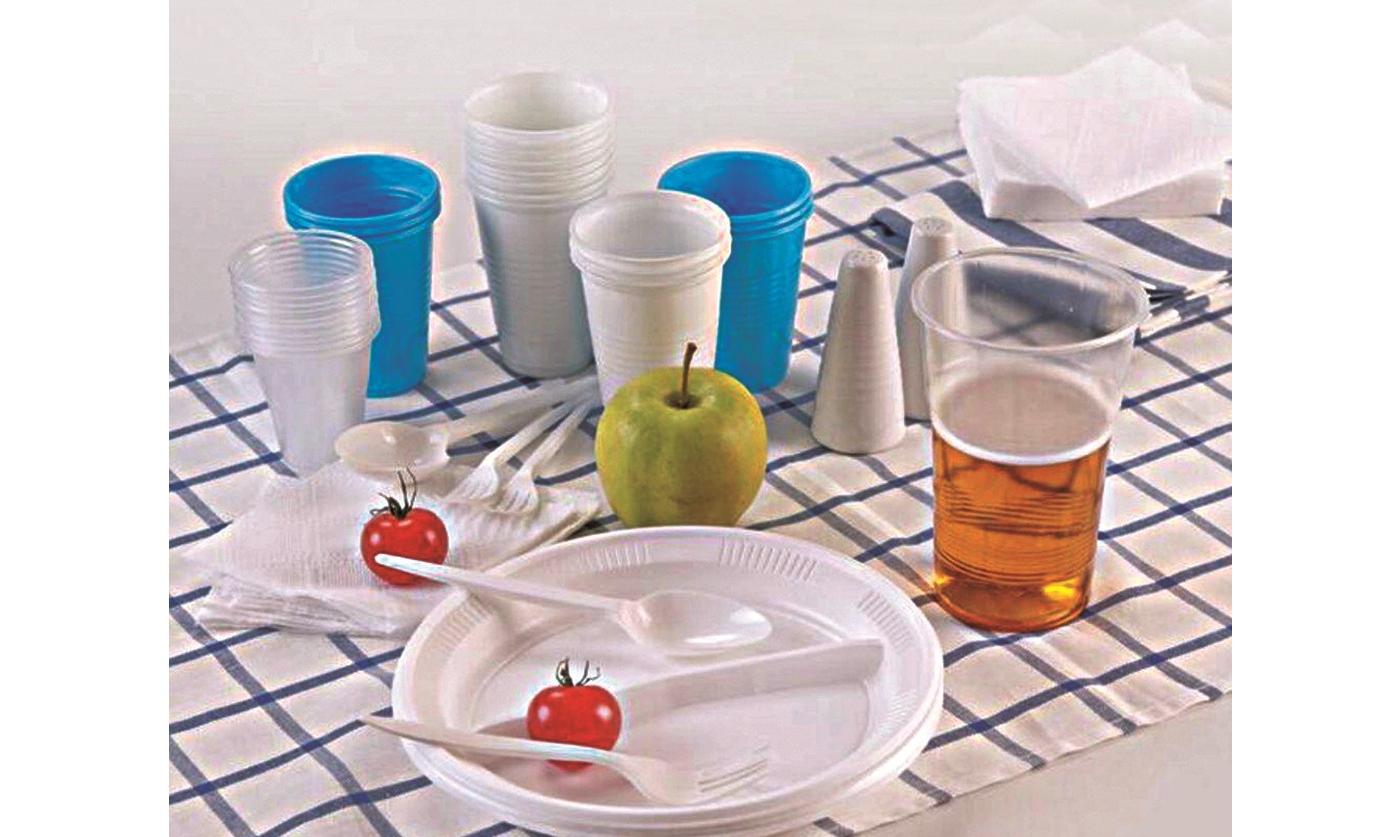
Plastic containers are commonly used in kitchens for storing and reheating food.
However, they contain harmful chemicals like BPA and Phthalates that can leach into food, especially when exposed to heat, acidity, or oil.
These chemicals can cause health problems like cancer and hormonal disruption.
Children, infants, pregnant women, the elderly, and those with chronic illnesses are particularly vulnerable.
Experts recommend using safer alternatives like earthen jars and stainless-steel containers to reduce exposure to these harmful chemicals.
The key is to cut down on the overuse and misuse of plastic, not necessarily to eliminate it completely.

Plastic containers contain harmful chemicals like BPA and Phthalates that can leach into food.
Heat, acidity, and oil accelerate the leaching of chemicals from plastic into food.
Chemicals from plastic can cause health issues like cancer and hormonal disruption.
Vulnerable groups include children, infants, pregnant women, the elderly, and those with chronic illnesses.
Safer alternatives to plastic include earthen jars and stainless-steel containers.
- Who
- General public, especially those using plastic containers for food storage and reheating
- What
- Health risks associated with using plastic containers for food, particularly when exposed to heat, acidity, or oil
- When
- During food storage, reheating, or contact with hot, acidic, or oily foods
- Where
- In kitchens and homes where plastic containers are commonly used
- Why
- Chemicals like BPA and Phthalates leach into food, posing health risks such as cancer and hormonal disruption
- Chemicals in plastic
- Bisphenol A (BPA) and Phthalates
- Health risks
- Cancer, hormonal disruption, inflammation, oxidative stress
- Vulnerable groups
- Children, infants, pregnant women, elderly, chronic illness patients
- Safer alternatives
- Earthen jars, stainless-steel containers
- Trigger for chemical leaching
- Heat, acidity, oil