Archive · 20 Jan 2026
Labourers Protest Low Wages at Lakkundi Excavation

Workers at a historical site in Lakkundi, India, stopped their work for a short time because they were unhappy with their pay.
They said they work very long hours in the hot sun but only get paid ₹374 a day, which is the same as what they would get for four hours of work under a government job program.
They want ₹600 per day instead.
Officials promised to talk to higher-ups about their demands, and the workers agreed to go back to work.
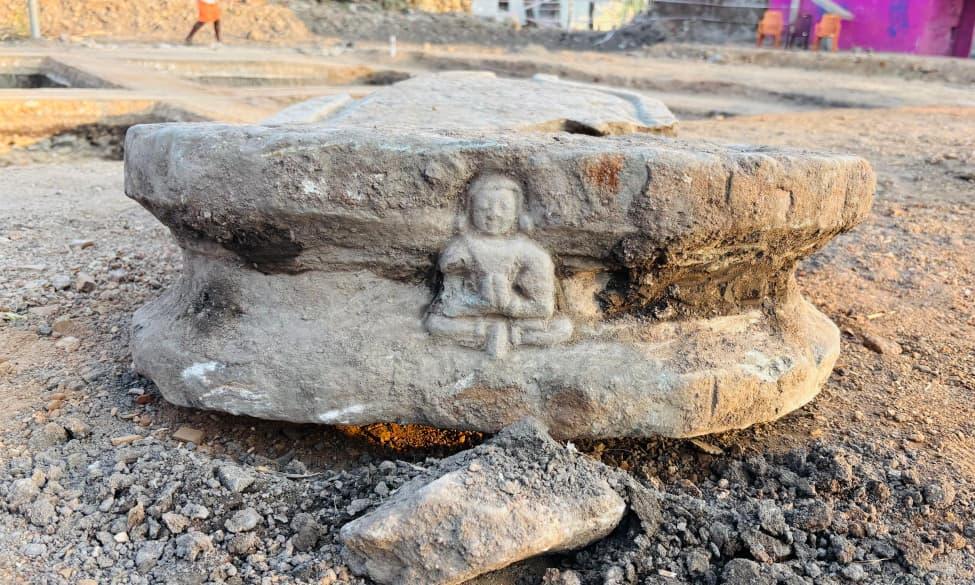
The site is important because it has old treasures and was a big trading place a long time ago.
The workers found gold and copper items that are about 300 years old.

Excavation work at Lakkundi historical site halted due to labourers' protest over low wages.
Workers demanded ₹600 per day instead of the current ₹374 for 10-hour workdays under harsh conditions.
Officials assured labourers their grievances would be communicated to higher authorities.
Excavation resumed after the assurance, with potential to uncover more ancient relics.
Lakkundi is historically significant as a former commercial hub with a mint during the Kalyana Chalukya period.
- Who
- Daily wage labourers and Archaeological Survey authorities
- What
- Protest against low wages halted excavation work at Lakkundi historical site
- When
- Monday (specific date not mentioned)
- Where
- Lakkundi in Gadag district, Karnataka, India
- Why
- Labourers demanded higher wages for long working hours under harsh conditions
- Location
- Gadag district, Karnataka, India
- Excavation Site
- Kote Veerabhadreshwara Temple vicinity
- Current Daily Wage
- ₹374
- Demanded Daily Wage
- ₹600
- Working Hours
- 10 hours/day
- Discovered Treasure
- 466 grams of gold and copper artefacts
- Estimated Treasure Age
- 300 years old