

Archive · 23 Dec 2025
India Bans Animal-Derived Biostimulants Amid Religious Concerns
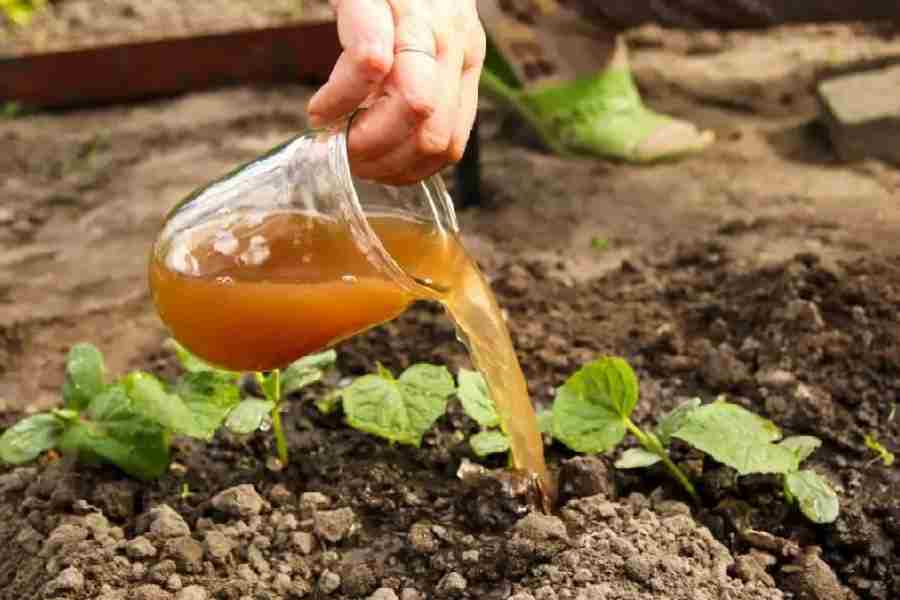
The Indian government has stopped using certain plant growth helpers made from animal parts.
These helpers, called biostimulants, were used to help crops grow better.
The government says they stopped because some people might find it against their beliefs.
But this decision might make farming more expensive and create more waste.
There are other plant-based helpers, but they cost more and aren't as good.
The government could have found a middle way, like letting these helpers be used in certain cases or making it clear where they come from.
This way, people could choose what they feel is right.

India's agriculture ministry revoked approval for 11 animal-derived biostimulants due to religious and dietary concerns.
These biostimulants, made from chicken feathers, bovine hides, pig tissue, and cod scales, were used in paddy, tomato, chilli, and cotton farming.
The ban may lead to increased waste, higher farming costs, and a reversal of circular economy goals.
Plant-based and microbial alternatives exist but are more expensive and less effective.
The decision could disrupt the synergy between agriculture and livestock sectors, affecting both farmers and processors.
- Who
- Union agriculture ministry of India
- What
- Withdrew approval for 11 animal-derived biostimulants
- When
- Recently (exact date not specified)
- Where
- India
- Why
- Citing religious and dietary restrictions
- Market Value (2025)
- USD 210.4 million
- Projected Market Value (2030)
- USD 343 million
- Growth Rate (Amino Acid Biostimulants)
- 14% CAGR
- Affected Crops
- Paddy, tomato, chilli, and cotton
- Sources of Biostimulants
- Chicken feathers, bovine hides, pig tissue, cod scales
- Alternatives
- Plant-based and microbial biostimulants
- Potential Impact
- Increased input and retail prices, reversal of circular economy goals