

Archive · 9 Jun 2025
India Suspends Indus Waters Treaty Amid Tensions

The Indus Waters Treaty, which shares river water between India and Pakistan, is in trouble.
India has suspended the treaty, meaning they might change how water is shared.
Geostrategist Brahma Chellaney says the treaty gives Pakistan too much water – over 80%.
India says Pakistan hasn't kept its promises regarding terrorism, so the treaty is now on hold.
This could lead to a water shortage in Pakistan if India does not resume water sharing.
The former Indian envoy also said the treaty was overly generous to Pakistan.
India believes that they are providing too much water to Pakistan.

India suspended the Indus Waters Treaty with Pakistan in April.
Brahma Chellaney says the treaty is inequitable, favoring Pakistan.
Pakistan receives 80.52% of the total water from the Indus system.
India controls the Eastern Rivers, allowing full use for domestic needs.
The treaty's suspension follows terror attacks and concerns about Pakistan's support of terrorism.
- Who
- India and Pakistan
- What
- The suspension of the Indus Waters Treaty and debate over its fairness.
- When
- April 2024, when India suspended the treaty.
- Where
- The Indus basin, shared between India and Pakistan.
- Why
- India's concerns about Pakistan's support of terrorism.
Pakistan
India
Treaty Fairness
Pakistan
The Indus Waters Treaty favors Pakistan.
India
The treaty is considered by Brahma Chellaney to be the world's most lopsided treaty, which favors Pakistan.
Terrorism
Pakistan
Pakistan has not been punished for terrorist activity.
India
India has suspended the treaty due to continued attacks originating from Pakistan.
- Pakistan Water Share
- 80.52% of total waters
- Western Rivers Water Share
- Nearly 100% for Pakistan
- Eastern Rivers Water Share
- 100% for India
- India's Share
- 19.48% of the total waters
- Treaty Suspension
- Suspended by India in April 2024
Sources
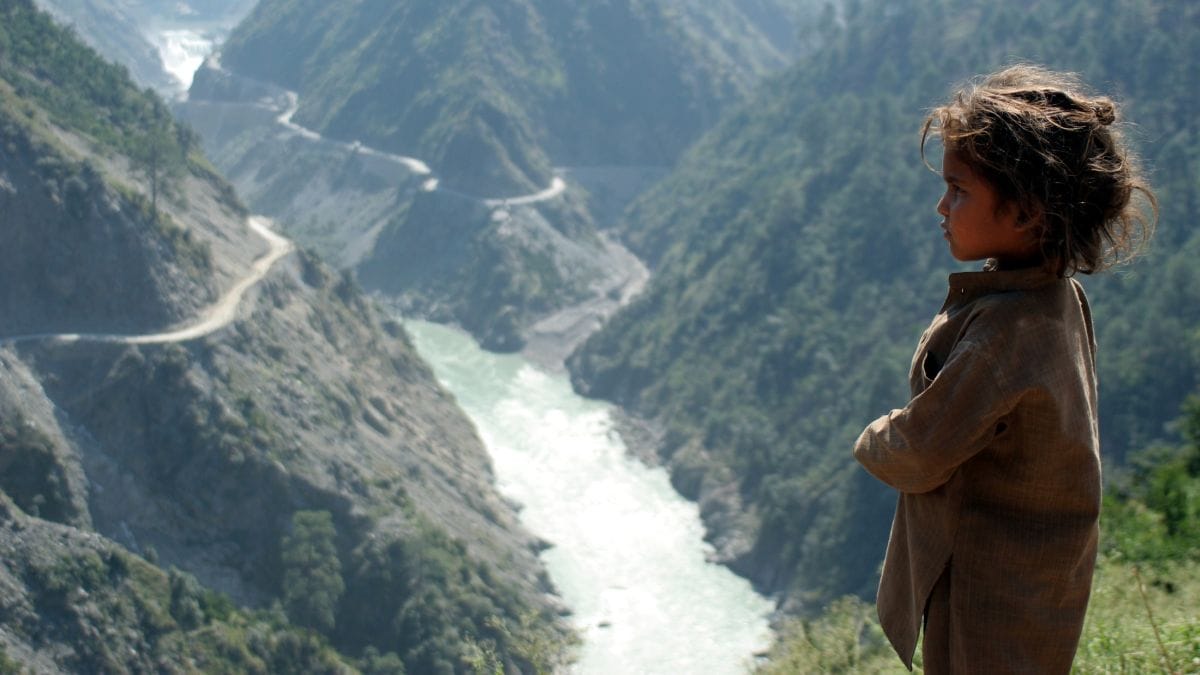
Pakistani dams near dead level, 15% drop in waterflow in Punjab after India’s IWT move

Pakistan's Indus basin faces 15% water flow decline, reservoirs at critical levels: Report