

Archive · 7 Nov 2025
India's Renewable Energy Growth Outpacing Grid Capacity, Driving Up Costs
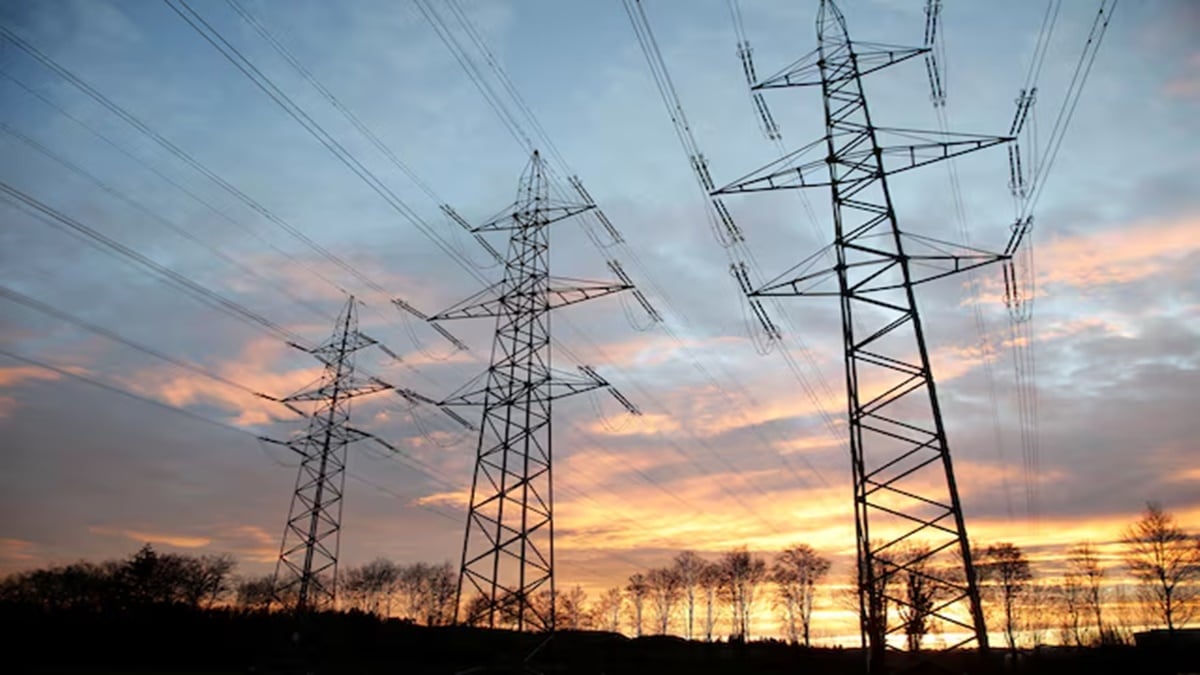
Imagine India is building a lot of solar panels and wind turbines to make clean electricity.
This is great, but sometimes the electricity is made when people don't need it, or there aren't enough special roads (like power lines) to carry the electricity to where it's needed.
This causes problems because the electricity can't be used, and it becomes more expensive to manage.
The people in charge of electricity are trying to fix this by planning better and making sure the power lines are built where they are needed most.
They also want to make sure there are still other ways to make electricity, like from coal or nuclear power, to keep the lights on all the time.
Developers are also facing challenges with building things and getting the parts they need.
The government is looking into ways to make sure the electricity can get to people and might even cancel some projects if they can't be used.

India's rapid renewable energy (RE) capacity additions are creating a mismatch with demand, leading to increased power costs.
The Central Electricity Authority (CEA) Chairperson highlighted that transmission infrastructure is being built based on potential RE generation rather than actual demand.
Inadequate transmission infrastructure and grid absorption uncertainty are delaying power purchase agreements for commissioned RE capacity.
Industry players point to slow transmission corridor development, network congestion, and execution challenges as key issues.
CEA plans to revise transmission plans semi-annually and improve weather forecasting to better integrate RE, while also emphasizing the need for continued investment in traditional energy sources.
- Who
- Central Electricity Authority (CEA) Chairperson Ghanshyam Prasad, industry players, the government, and state power utilities
- What
- Rapid additions of renewable energy capacity are straining grid operations and increasing power supply costs due to a mismatch with demand and inadequate transmission infrastructure.
- When
- Recently mentioned by CEA Chairperson on a Friday, with the country achieving 50% renewable energy capacity earlier this year and targeting 500 GW by 2030.
- Where
- New Delhi, India
- Why
- Transmission infrastructure is not keeping pace with renewable energy capacity additions, leading to difficulties in evacuating and selling generated power, and resulting in higher costs.
CEA's Perspective
Industry Players' Perspective
Reason for Mismatch
CEA's Perspective
Building transmission based on potential RE generation rather than actual capacity or demand.
Industry Players' Perspective
Slow commissioning of transmission corridors, prioritization challenges under General Network Access, and Available Transfer Capacity congestion.
Headwinds for Developers
CEA's Perspective
Surplus RE without demand is difficult to manage; uncertainty in grid absorption delaying PPAs.
Industry Players' Perspective
Execution challenges, fluctuating equipment prices, supply chain concerns, cost of capital, and the need for cost-competitive storage.
- Renewable Energy Capacity Target
- 500 GW by 2030
- Current Installed Capacity from Renewables
- 50% of total electricity capacity
- Renewable Energy Added This Year (Estimated)
- Over 40 GW
- Key Challenges
- Mismatch between RE capacity and demand, inadequate transmission infrastructure, grid absorption uncertainty, slow transmission corridor commissioning, fluctuating costs, and supply chain issues.
- Proposed Solutions by CEA
- Revise transmission plans every six months, improve weather forecasting for RE generation, focus on grid integration and resource adequacy planning.