

Archive · 15 Nov 2025
Lucknow's Culinary Identity Shaped by Awadh's Royal Kitchens and UNESCO Gastronomy Tag
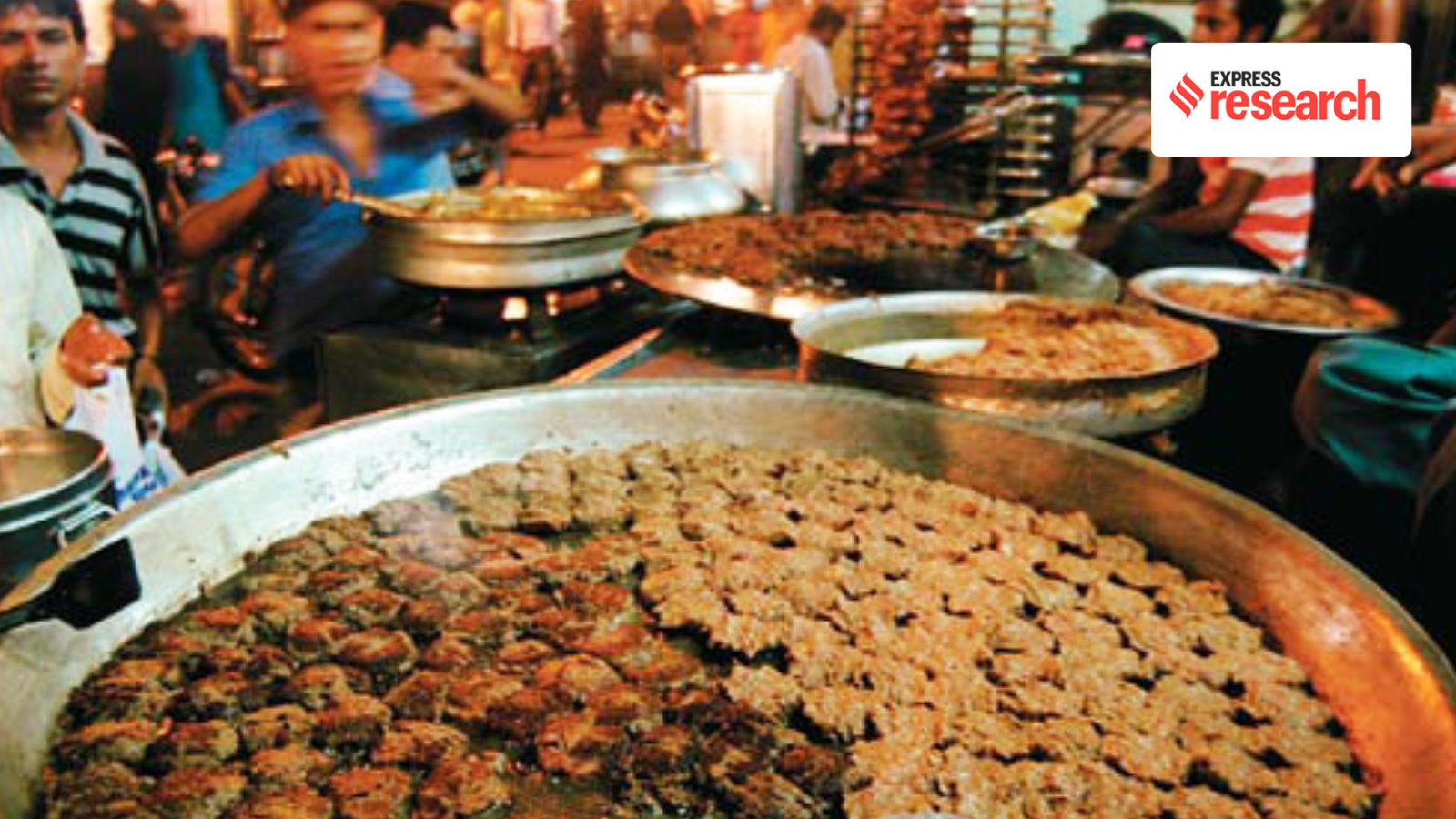
Imagine a long time ago, in a place called Awadh, kings called Nawabs loved to eat fancy food.
They had special rules for eating, like washing hands and eating from a special cloth called a dastarkhwan.
Their royal chefs made amazing dishes like yummy kebabs and fluffy rice called pulao, using fewer spices than other kings, so you could taste the food's real flavor.
When the kings lost their power, many chefs moved to Lucknow, bringing their cooking secrets.
Later, people from other places also came to Lucknow and shared their own favorite foods.
Because Lucknow's food is so special and has so many interesting dishes, a big group called UNESCO has named it a 'City of Gastronomy,' which is like a special award for food.
This means Lucknow is famous all over the world for its delicious and unique food traditions that started with the kings but are now enjoyed by everyone.

Lucknow's food identity has been shaped by the elaborate dining etiquette (dastarkhwan) of the Awadhi Nawabs.
The city, now a UNESCO City of Gastronomy, saw influences from Persian, Mughal, and Indo-Islamic traditions in its classical Awadhi cuisine.
Nawabs preferred subtle flavors, cream, softer meats, and a delicate use of spices, favoring pulao over biryani.
Post-1857 and after Indian independence, Lucknow's food scene diversified with influences from migrating communities.
Key dishes include galawati kebabs, yakhni pulao, and shahi tukda, with a strong emphasis on presentation and the art of cooking.
- Who
- The Nawabs of Awadh, royal chefs, and the people of Lucknow
- What
- The development and evolution of Lucknow's distinct food identity, influenced by royal kitchens, diverse cultural exchanges, and its recognition as a UNESCO City of Gastronomy.
- When
- Tracing back to 1350 AD, with significant culinary development in the 18th century, and evolving post-1857 and after 1947.
- Where
- Awadh region, primarily Faizabad and Lucknow.
- Why
- Multiple cultural influences, the patronage of Nawabs, the migration of chefs and communities, and the establishment of elaborate dining etiquette (dastarkhwan).
Original Awadhi Cuisine
Modern and Diverse Lucknow Food Scene
Biryani vs. Pulao Preference
Original Awadhi Cuisine
The Nawabs of Awadh preferred pulao over biryani, considering biryani barbaric and lacking refinement. Awadhi pulao, like Yakhni Pulao, is seen as more challenging and artistic to prepare.
Modern and Diverse Lucknow Food Scene
While Yakhni Pulao is celebrated, biryani is also a prominent dish in Lucknow, with establishments like Idrees Biryani being famous. The debate over whether biryani reigns supreme in Lucknow or Hyderabad is ongoing.
Influence on Cuisine
Original Awadhi Cuisine
The cuisine was significantly shaped by Persian, Mughal, and Indo-Islamic influences under the Nawabs, emphasizing subtle flavors, cream over curd, softer meats, and delicate spices.
Modern and Diverse Lucknow Food Scene
Post-1857, especially after 1947, the culinary landscape evolved with influences from West Punjab (tandoor, butter chicken), Eastern Uttar Pradesh and Bihar (chokha bati), and other communities, diversifying the food offerings beyond traditional Nawabi dishes.
- Region
- Awadh (present-day Uttar Pradesh)
- Historical Rulers
- Delhi Sultanate, Mughal Empire, Nawabs of Awadh, East India Company, British Raj
- Key Culinary Period
- 18th century under Nawab Shuja-ud-Daula
- Royal Kitchens
- Bawarchikhanas (royal kitchens) with a hierarchy from scullions to rakabdars (head chefs)
- Notable Dishes
- Galawati kebabs, Kakori kebabs, Korma, Salan, Pulao (especially Yakhni Pulao), Biryani, Shahi Tukda
- UNESCO Recognition
- City of Gastronomy
- Capital Shift
- Nawab Asaf-ud-Daula moved the capital from Faizabad to Lucknow in 1775