2 weeks ago
India's schoolchildren rise up demanding teachers, classrooms and roads
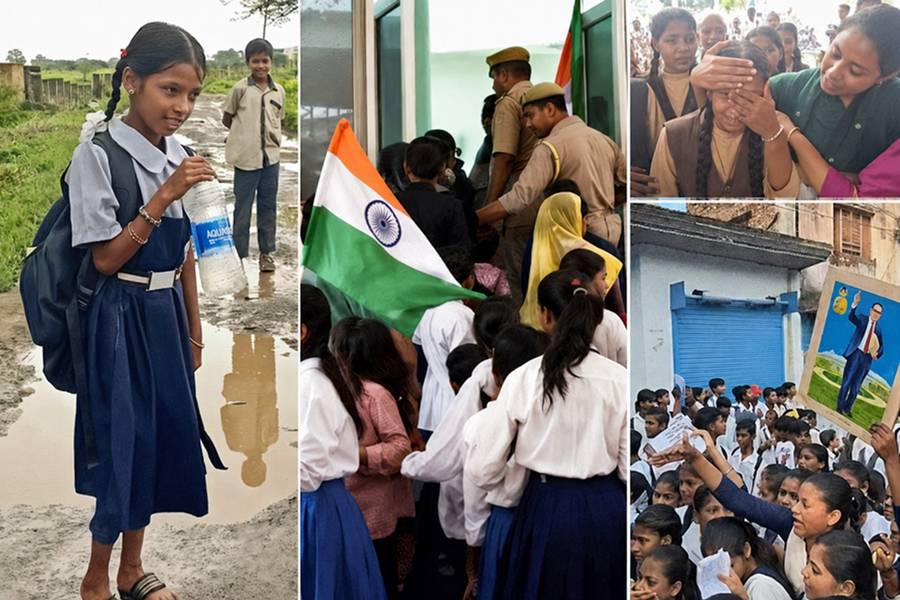
Many children in India are upset because their schools are in bad shape.
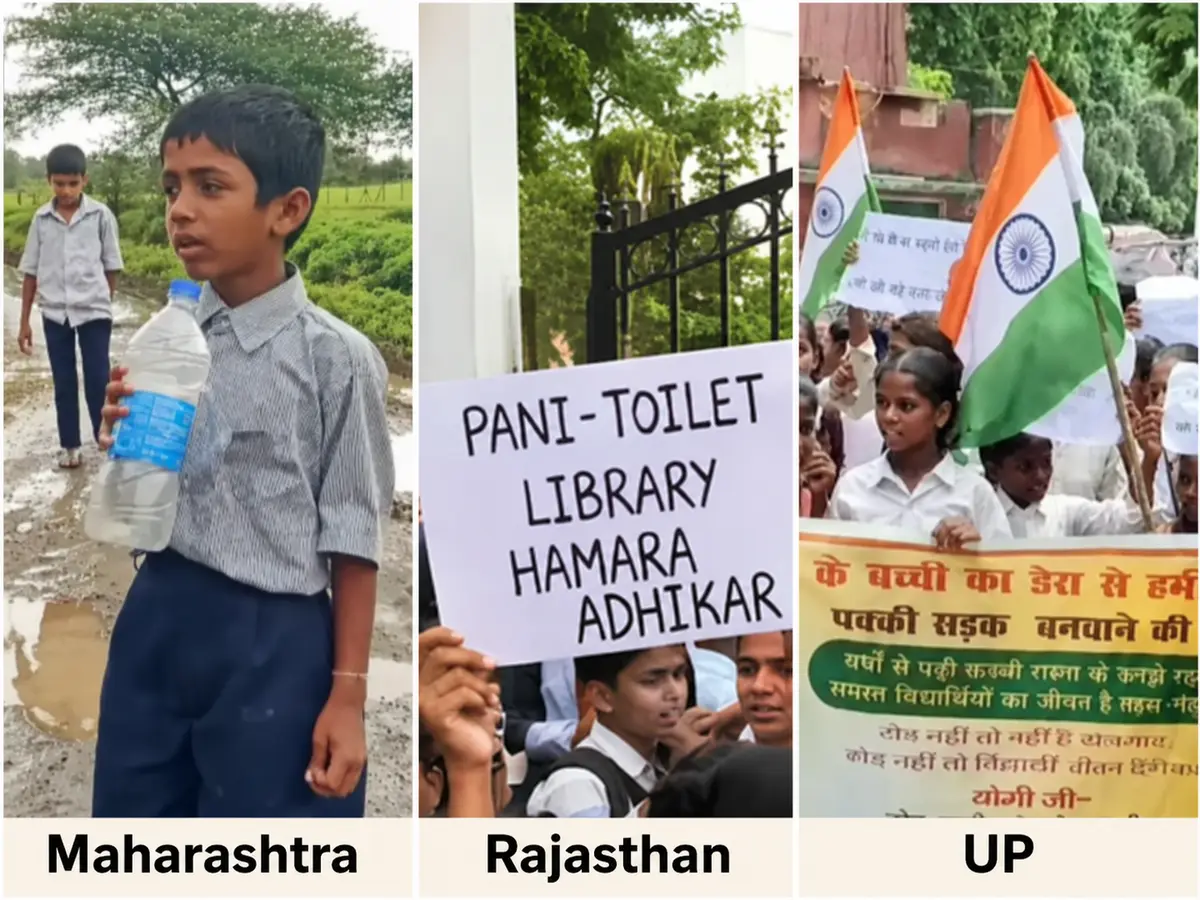
Some schools are broken, some have no teachers, and some kids have no safe road to walk on.
A girl in Rajasthan asked a big question: 'Is this freedom?'
She said freedom should mean a safe school, a teacher who comes to class, and a road that keeps kids safe.
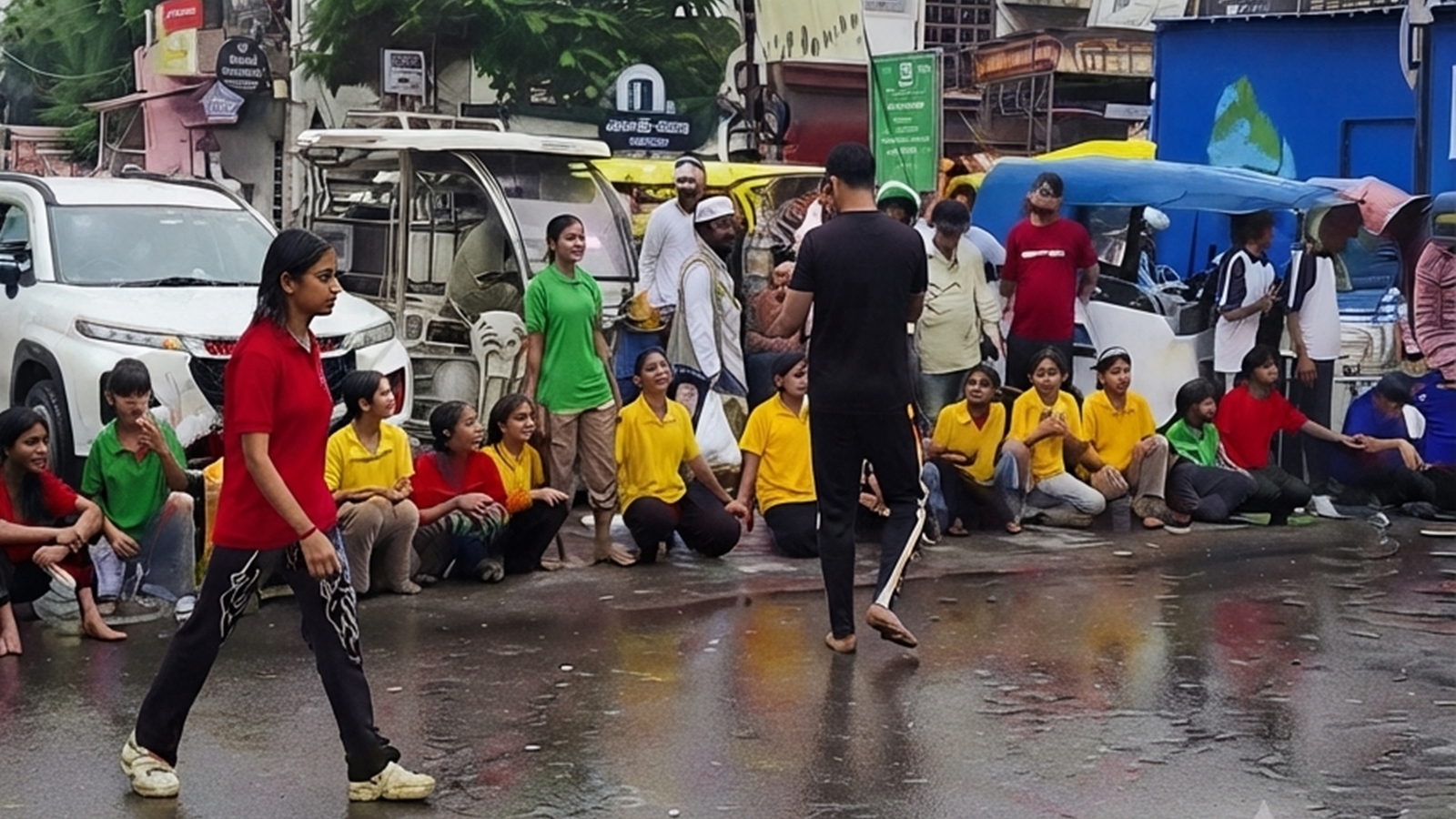
So children, and sometimes their parents too, marched and protested in many parts of India.
They did this just before India's 80th Independence Day.
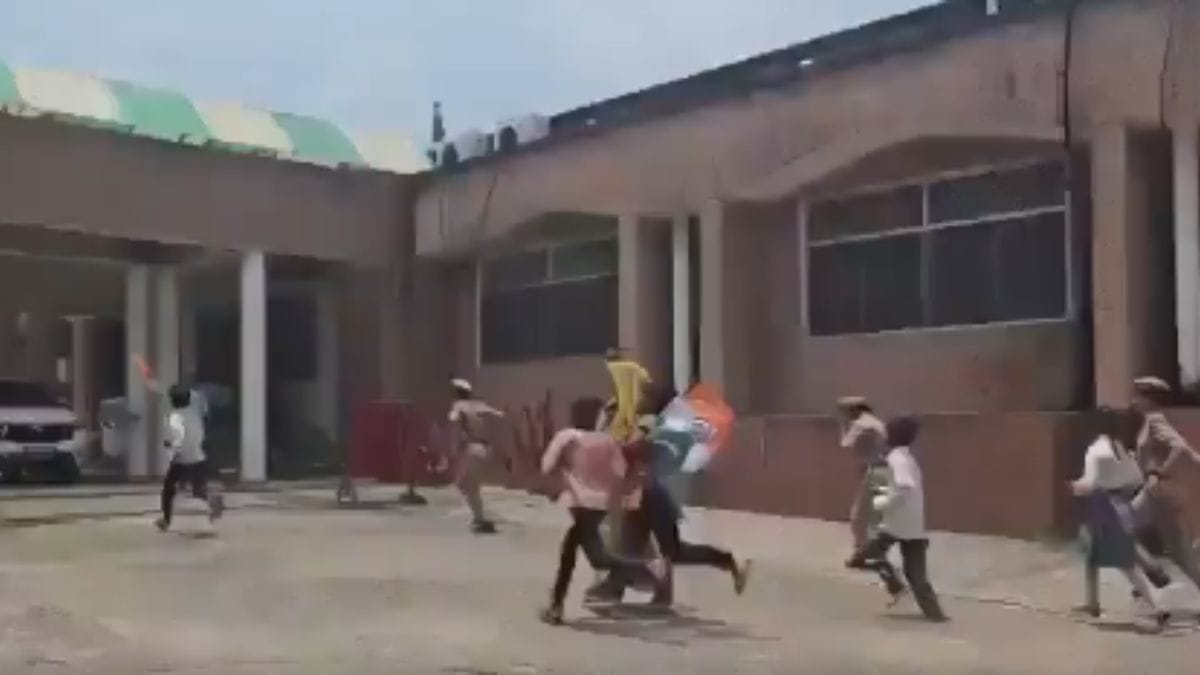
Some students carried the Indian flag while asking for a road to their school.
In another town, children protested because bus tickets became too expensive.
In Chandigarh, deaf and mute students asked for teachers who know sign language.
The children want leaders to fix their schools so every kid can learn safely.

Days before India's 80th Independence Day, schoolchildren across the country demanded teachers, classrooms and safe roads.
A viral video showed a Rajasthan schoolgirl asking 'Is this freedom?' as her school remained broken with no teachers or pucca road.
Protests were reported in Rajasthan, Uttar Pradesh, Bihar, Maharashtra, Tamil Nadu, Karnataka, Madhya Pradesh and Chandigarh.
In Madhya Pradesh chief minister Mohan Yadav's home district of Ujjain, about 800 girls protested a plan to relocate their school nearly 15 km away.
Political scientist Maidul Islam said the protests had 'the potential to become infectious' but cautioned against confirming links to the Jantar Mantar movement.
- Who
- Schoolchildren across India, often joined by parents and farmers, with commentary from political scientist Maidul Islam.
- What
- Students staged protests, marches, dharnas and road blockades demanding teachers, repaired school buildings, paved roads, and other basic facilities.
- Where
- Across India, including Rajasthan, Uttar Pradesh, Bihar, Maharashtra, Tamil Nadu, Karnataka, Madhya Pradesh and Chandigarh.
- When
- Late July to August 13, days before India's 80th Independence Day.
- Why
- Students say broken schools, missing teachers, unsafe flooded routes and a lack of basic amenities deny them the freedom promised by independence.
Spontaneous Student Movement
Possible Political Coordination
Origins of the protests
Spontaneous Student Movement
The protests are spontaneous actions by students airing genuine grievances about broken schools, missing teachers and unsafe travel.
Possible Political Coordination
Members of the Cockroach Janta Party have begun reaching out to students, so some coordination or influence with the Jantar Mantar movement may be at work, though it is unverified.
Prospects for lasting change
Spontaneous Student Movement
The protests have the potential to become 'infectious' and galvanise a significant section of the population facing poor school infrastructure and teacher shortages.
Possible Political Coordination
It is too early to predict whether they will change governance or government, and a mobilisation may be forgotten within days if its demands are not fulfilled.
Key facts
- Occasion
- Ahead of India's 80th Independence Day
- Government schools closed (past decade)
- Around 94,000, per a NITI Aayog report
- Government school enrolment share
- Fell from 71% (2005) to 49.24% (2024-25)
- Chandupur, Hamirpur (Uttar Pradesh)
- About 200 children and parents marched 5 km with the national flag demanding a paved road
- Ujjain (Madhya Pradesh)
- About 800 girls protested a planned 15 km school relocation
- Vidisha (Madhya Pradesh)
- Private bus fare hike from Rs 10 to Rs 25 was withdrawn after student protests
- Bidadi (Karnataka)
- Farmers and students protested plans for an AI City on 9,600 acres of farmland with over 10 lakh trees at risk
- Chandigarh
- Deaf and mute students demanded sign-language-trained teachers and maths and science classes for Classes IX-XII
Quotes
Schoolgirl from Rajasthan
A student protesting at her school in Rajasthan
“"Is this freedom? Freedom means that even after 80 years, our school is broken and there are no teachers. We have no playground or pucca road."”
 telegraphindia.com
Professor Maidul Islam
Assistant professor of political science at the Centre for Studies in Social Sciences, Calcutta
“"The success of a protest cannot be measured only by the scale of mobilisation, the number of views or how widely its videos are shared. The real test is whether its demands are fulfilled."”
telegraphindia.com
Sources
Related news

Gen Alpha Students Protest India’s Failing Government Schools
Gen Alpha protests sweep India demanding better schools and amenities
Uttar Pradesh Students Take School Complaints To Streets
Gen Alpha Students Protest For Road To School In Hamirpur
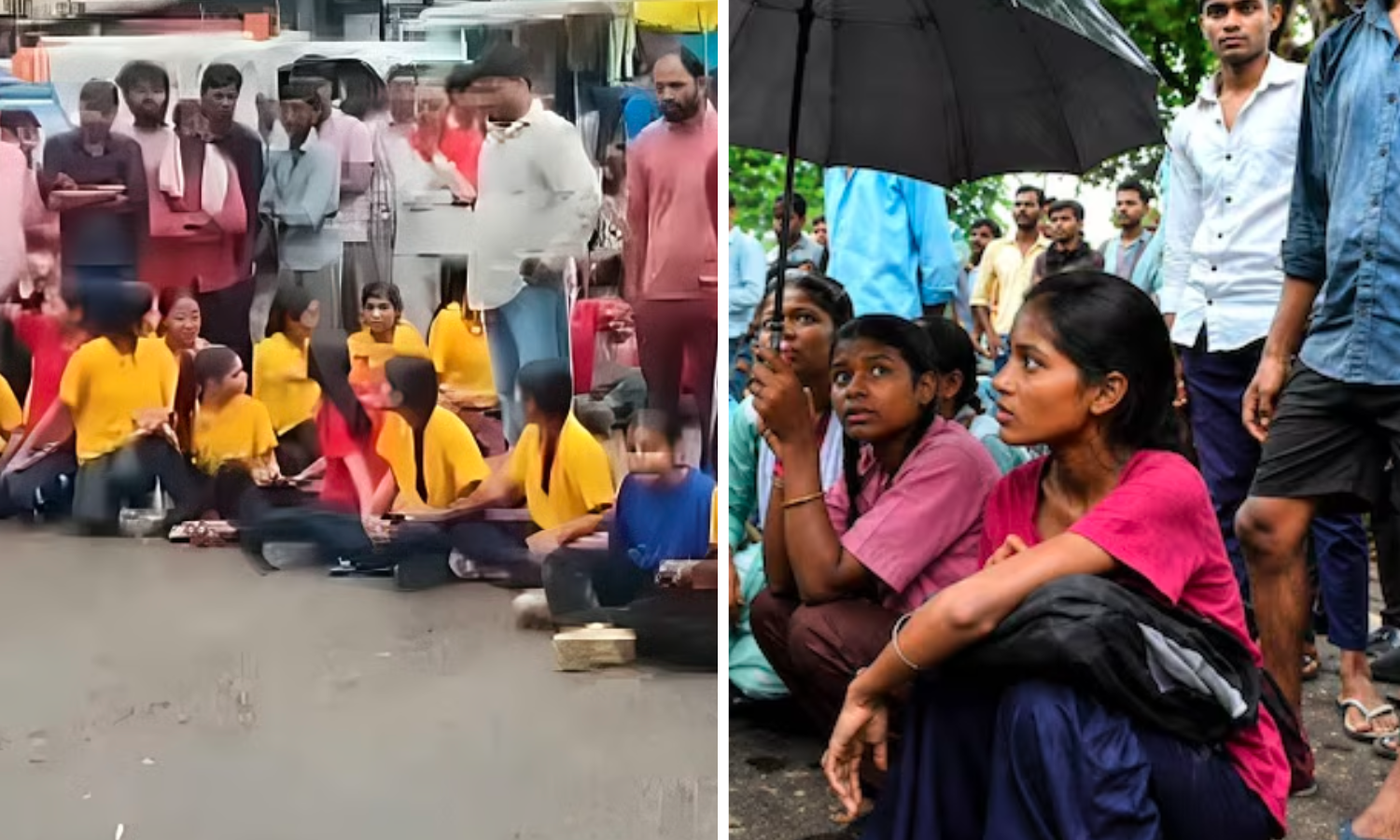
Uttar Pradesh Students Protest Teacher Shortages, Poor Roads and Conditions
Tukaram Mundhe Warns Indians About Food Safety Risks
Maharashtra Family Welcomes First Daughter in Nearly 200 Years
Maratha Protesters Block Highway Supporting Manoj Jarange Patil
Maharashtra Mountaineers Join Search for Missing Nepal Trekkers
CJP Highlights Poor Conditions in Nagpur Government Schools