

Archive · 25 Aug 2026
Bengaluru Techie’s ICU Bill Exposes Lack of Liquid Savings
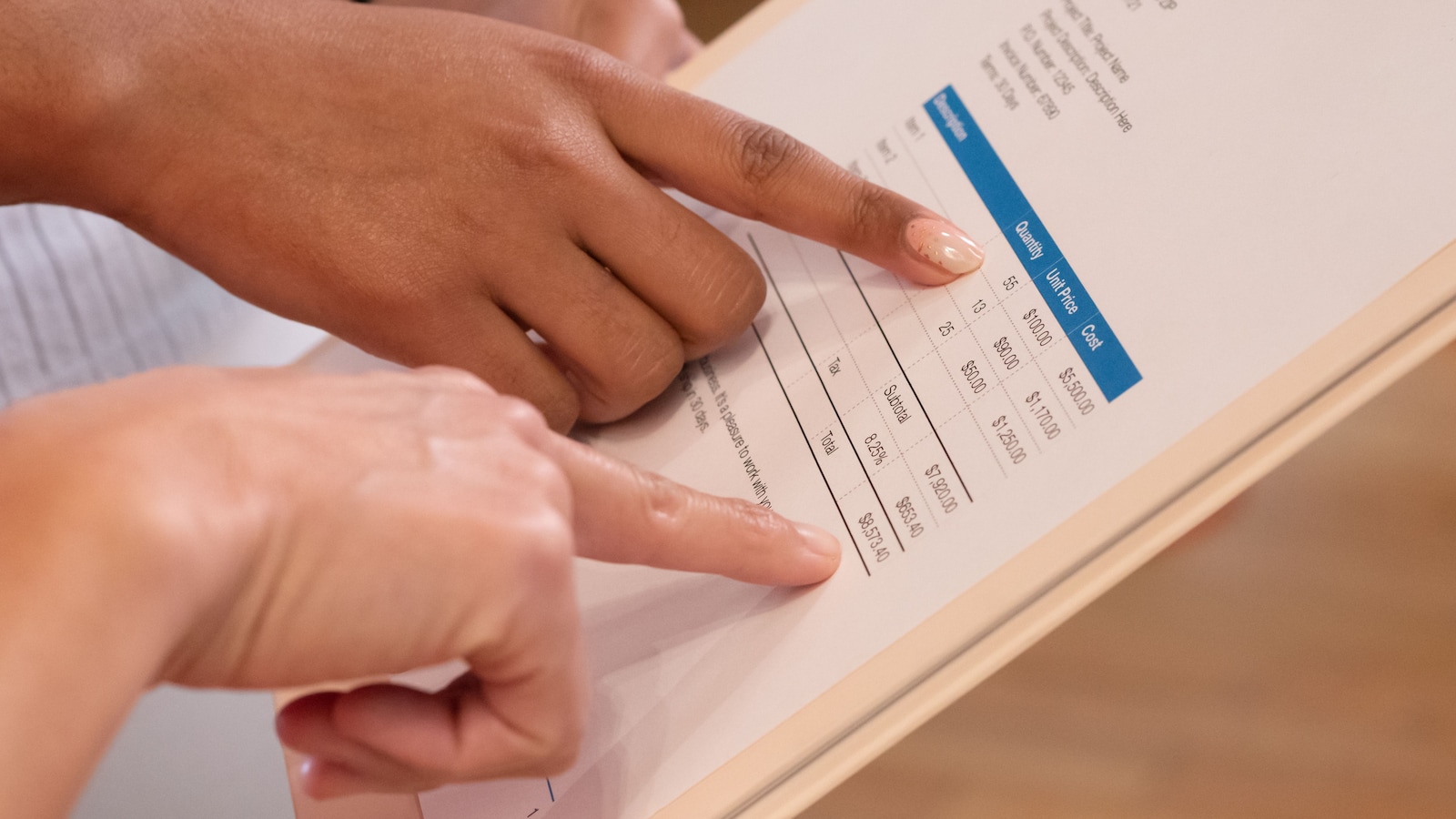
A Bengaluru technology worker earned a good monthly salary and invested a large part of it.
However, he kept very little money in an account that he could use immediately.
When his father suddenly needed ICU treatment, the hospital asked for ₹2.5 lakh.
His credit card was already full, and his investments could not be withdrawn quickly.
He had to borrow money from relatives using UPI.
This showed him that having investments is not the same as having emergency cash.
People discussing the story suggested saving enough for several months of expenses.
They also recommended having suitable health and term insurance.

A Bengaluru techie earning ₹1.8 lakh monthly invested ₹80,000 in SIPs and had about ₹32,000 in savings.
His father’s sudden ICU admission required the family to pay a ₹2.5 lakh deposit upfront.
His main credit card was maxed out, while mutual-fund investments were not immediately accessible.
He borrowed money from relatives through UPI during the night to cover the emergency payment.
The incident prompted discussion about emergency funds, insurance, and balancing investments with accessible cash.
- Who
- An anonymous Bengaluru techie earning ₹1.8 lakh per month and his father.
- What
- A sudden ICU admission exposed that the techie lacked enough immediately accessible money for a ₹2.5 lakh hospital deposit.
- When
- During the father’s sudden medical emergency; the exact date was not stated.
- Where
- Bengaluru; the hospital’s location was not specified.
- Why
- His savings were limited, his credit card was maxed out, and his mutual-fund investments were not immediately available.
Prioritize Accessible Emergency Savings
Continue Investing Aggressively With Other Protections
How income should be allocated
Prioritize Accessible Emergency Savings
Commenters said an ₹80,000 monthly SIP alongside only ₹32,000 in savings was impractical and urged building an emergency fund first.
Continue Investing Aggressively With Other Protections
The techie had been investing aggressively, apparently believing his finances were under control; the experience showed that investments alone could not solve an immediate cash need.
Emergency-fund size
Prioritize Accessible Emergency Savings
Several users recommended keeping at least three months of salary or roughly six months of essential expenses readily accessible.
Continue Investing Aggressively With Other Protections
Some commenters discussed using liquid or arbitrage funds for emergencies, suggesting that invested money can be structured for quicker access, although the techie’s mutual funds were not immediately available.
Role of insurance
Prioritize Accessible Emergency Savings
Commenters said adequate health insurance should accompany savings and investments, and that emergency reserves may need to be larger without medical insurance.
Continue Investing Aggressively With Other Protections
The incident centered on the difficulty of accessing cash quickly; the article does not state whether the techie had health or term insurance.
- Monthly income
- ₹1.8 lakh
- Monthly SIP investment
- ₹80,000
- Savings account balance
- About ₹32,000
- Hospital deposit requested
- ₹2.5 lakh
- Immediate funding source
- Borrowed money from relatives through UPI
- Advice discussed
- Maintain roughly three to six months of savings and have adequate insurance