

Archive · 23 Jul 2026
Importance of Proper Footwear for Workouts
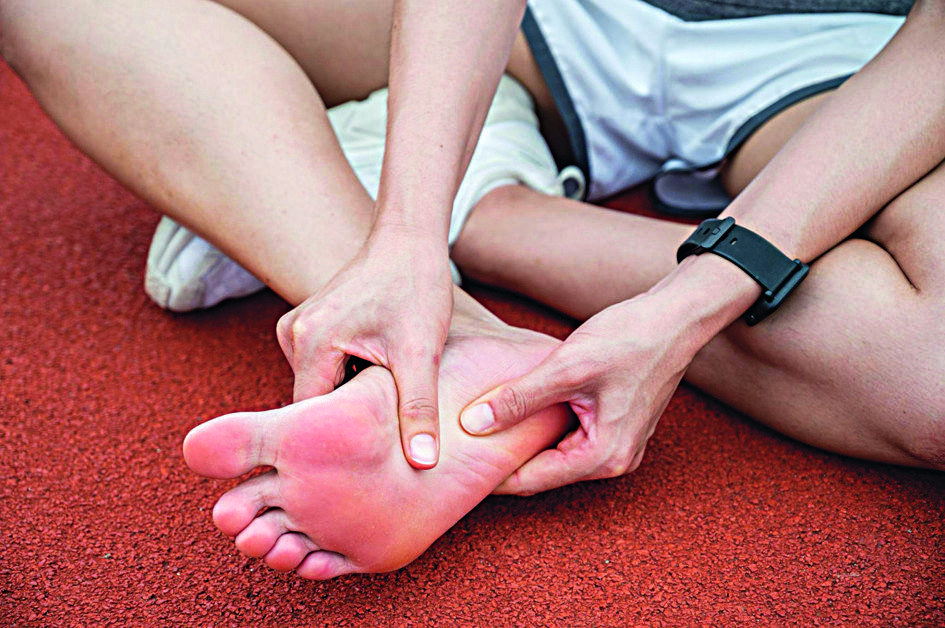
Wearing the right shoes for your workouts is super important.
Shoes do more than just protect your feet; they help distribute the impact of your movements, which can affect your knees, ankles, and even your back.
Different activities need different types of shoes.
For example, running shoes should be lightweight with good cushioning to protect your joints, while shoes for lifting weights should have a firm, flat sole to help you stay stable.
Wearing the wrong shoes can lead to injuries like knee pain, ankle sprains, and other problems.
It's also important to replace your shoes regularly because they lose their support over time.
Investing in the right shoes can make your workouts safer and more effective.

Wearing the wrong shoes can nearly double your risk of injury.
Different workouts require different types of shoes for optimal support.
Cardio shoes should be lightweight with good cushioning and shock absorption.
Strength training shoes should have a firm, flat sole for stability.
Proper footwear can prevent common injuries like plantar fasciitis and ankle sprains.
- Who
- Athletes, fitness enthusiasts, and individuals engaging in physical activities
- What
- The importance of wearing proper footwear for different types of workouts
- When
- During any physical activity or workout
- Where
- Gyms, running tracks, and other fitness facilities
- Why
- To prevent injuries, enhance performance, and ensure long-term health benefits
General Use Shoes
Specialized Workout Shoes
Versatility vs. Specialization
General Use Shoes
General use shoes are convenient for everyday activities and can be used for various workouts.
Specialized Workout Shoes
Specialized workout shoes provide better support and reduce injury risk for specific activities.
Cost and Convenience
General Use Shoes
General use shoes are often more affordable and require fewer purchases.
Specialized Workout Shoes
Specialized shoes, though more expensive, offer long-term benefits in performance and injury prevention.
- Impact of Wrong Shoes
- Nearly doubles the risk of injury
- Key Shoe Features
- Arch support, cushioning, stability
- Shoe Lifespan
- 300–500 miles or 6 months
- Common Injuries
- Plantar fasciitis, Achilles tendonitis, ankle sprains, shin splints
- Cardio Shoe Features
- Lightweight, good cushioning, shock absorption
- Strength Training Shoe Features
- Firm, flat sole for stability