

Archive · 23 Jul 2025
US Tariffs Disadvantage US Automakers, Benefit Toyota
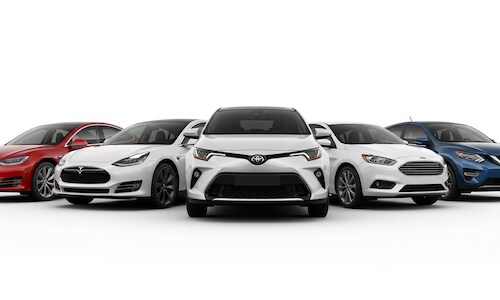
The US government recently announced new tariffs on imported steel and metals, affecting the car industry.
These tariffs are lower than previous ones but still impact car companies differently.
Toyota, a Japanese carmaker, benefits because the tariffs increase its costs less compared to US companies like Ford, GM, and Tesla.
US automakers face higher tariffs on steel, copper, and components from other countries, making production more expensive.
This gives Toyota an advantage because their production costs do not rise as much.
The tariffs on copper are especially problematic since it's used a lot in electric car parts.
This situation might unintentionally hurt US carmakers by helping foreign competitors.

New US tariffs impose a 15% duty on steel and metals.
Toyota's stock surged, benefiting from lower tariffs than US competitors.
US automakers face higher tariffs on steel, copper, and production from Canada, Mexico, and China.
Copper tariffs significantly impact US EV manufacturers due to its use in wiring, motors, and batteries.
US automakers are disadvantaged by the tariff policies, which may inadvertently help foreign competitors.
- Who
- Toyota and American automakers such as Ford, GM, and Tesla.
- What
- New US tariffs on steel and metals, which will increase production costs.
- When
- The tariffs were recently announced.
- Where
- United States.
- Why
- To impose costs and impact competitive advantage in the automotive industry.
US Automakers
Toyota
Impact of Tariffs
US Automakers
US automakers such as Ford, GM, and Tesla are heavily impacted by tariffs.
Toyota
Toyota has lower tariffs, putting it at a competitive advantage.
Cost Implications
US Automakers
Tariffs strain supply chains and elevate costs.
Toyota
Toyota benefits from a pricing edge.
- Tariff on Steel & Metals
- 15%
- Copper Tariff
- 50%
- Tariff on Canadian/Mexican Production
- 25%
- Tariff on Chinese Imports
- 55%
- Toyota Stock Increase
- Nearly 14%