

Archive · 16 Jan 2026
Hyperspectral Analysis Detects Document Forgeries
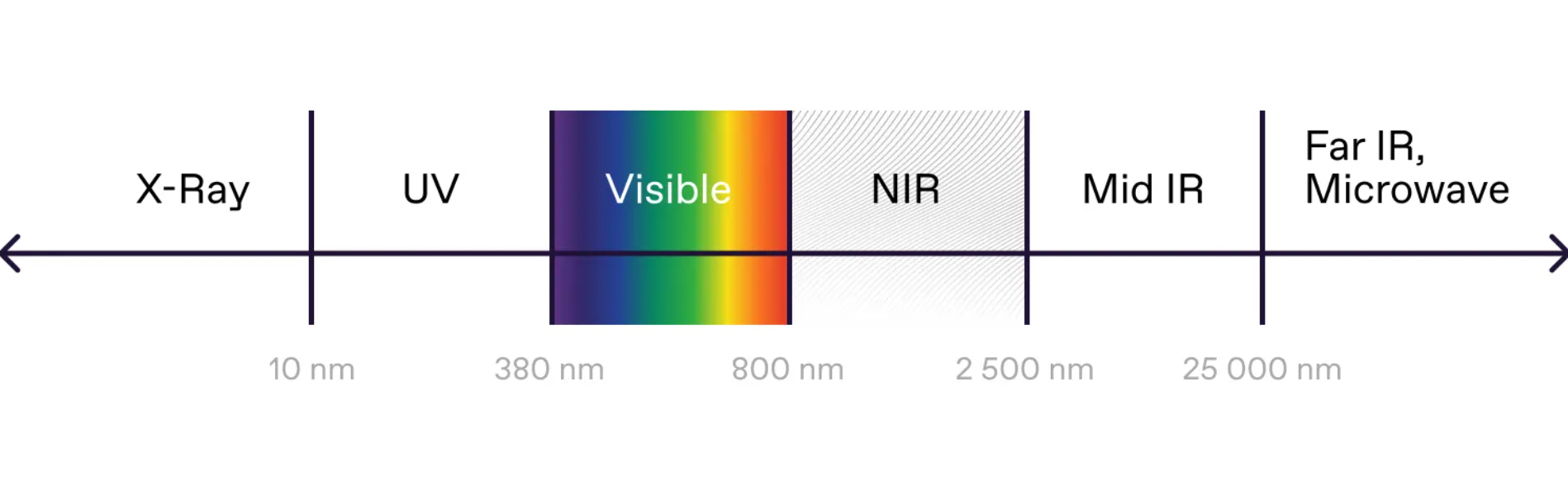
Hyperspectral image analysis is a special way of looking at objects to see how they reflect light.
Every material, like ink on paper, reflects light in a unique way.
This technique uses special cameras to capture detailed information about how light is reflected at many different wavelengths.
Forensic experts use this to detect changes or alterations in documents, such as adding extra zeros to a bank check.
The process is quick and does not damage the document.
However, it requires trained experts to interpret the results correctly.
This method helps in catching document forgeries and supports law enforcement in their investigations.

Hyperspectral image analysis examines the physical and chemical properties of objects by analyzing light reflection across different wavelengths.
It is used in forensic science to detect document forgeries and alterations.
The technique involves capturing images at many narrow wavelength bands, providing a full spectral profile for each pixel.
Hyperspectral analysis is non-destructive and requires no sample preparation, making it quick and efficient.
Interpreting the results requires expertise to distinguish between genuine variations and signs of forgery.
- Who
- Forensic experts and law enforcement agencies.
- What
- Hyperspectral image analysis is a technique used to detect document forgeries by examining light reflection across different wavelengths.
- When
- The technique is used whenever there is a need to verify the authenticity of documents.
- Where
- In forensic laboratories and police departments equipped with hyperspectral imaging systems.
- Why
- To uncover subtle manipulations and alterations in documents that are not visible to the naked eye.
- Definition
- Hyperspectral image analysis examines physical and chemical properties by analyzing light reflection across different wavelengths.
- Applications
- Medicine, food quality control, environmental monitoring, forensic science.
- Forensic Use
- Crime scene investigation and forgery detection.
- Equipment
- Video spectral comparators with hyperspectral imaging capabilities, such as the Regula 4308.
- Advantages
- Non-destructive, no sample preparation required, and provides objective, data-driven evidence.
- Limitations
- Requires expertise for accurate interpretation of results.
- Wavelength Range
- Typically from UV to NIR (about 254-1,000 nm) for forensic applications.