Archive · 5 Oct 2026
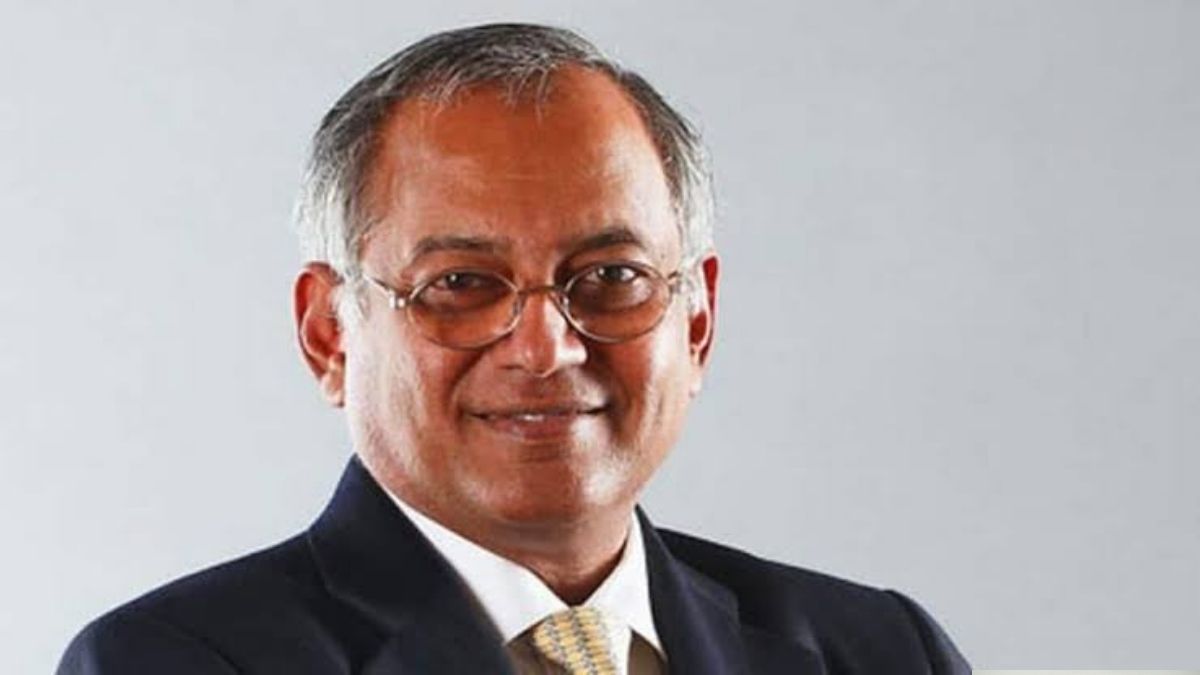
Venu Srinivasan Says EVs Aren’t the Only Way to Cut Pollution

Venu Srinivasan says electric vehicles are not the only way to reduce pollution.
He thinks different technologies should be judged by their overall effects on pollution, quality, and the environment.
He says people should have choices and that electric vehicles should grow as consumers adopt them.
He also supports mixing ethanol into petrol because it could help India import less fuel.
He says the effect on vehicle performance has been small so far.
He thinks people may need a choice of fuel blends when ethanol levels are higher than E10, since more ethanol could affect vehicle materials.
Srinivasan also wants Indian companies to improve quality and productivity to compete globally.
Separately, Delhi plans to require new two-wheelers registered there to be electric from April 2028.

TVS Motor Chairman Emeritus Venu Srinivasan said electric vehicles are not the only way to reduce pollution and urged a technology-agnostic approach.
He said EV adoption should grow with consumer demand and choice, noting gains in India’s two- and three-wheeler segments.
Srinivasan said ethanol blending could reduce fuel-import dependence and that performance effects have so far been marginal.
He said fuel-blend choice may be less necessary up to E10 but could matter at higher ethanol levels because of possible effects on vehicle materials.
He urged Indian manufacturers to exceed international quality and productivity benchmarks; Delhi’s policy separately plans electric-only registrations for new two-wheelers from April 2028.
- Who
- Venu Srinivasan, Chairman Emeritus of TVS Motor; the Delhi government is also cited for its vehicle policy.
- What
- Srinivasan advocated technology-neutral emissions reduction, discussed ethanol blending and urged stronger manufacturing standards.
- When
- Srinivasan spoke on October 5, 2026; Delhi’s planned two-wheeler registration rule begins in April 2028.
- Where
- At the IFQM Symposium 2026 in New Delhi; the policy concerns vehicles registered in Delhi.
- Why
- Srinivasan said technologies should be assessed by their overall effects, ethanol blending could reduce fuel imports, and stronger standards could help Indian firms compete globally.
Technology-neutral, consumer-led transition
Delhi’s policy-led electrification
Approach to reducing vehicle pollution
Technology-neutral, consumer-led transition
Srinivasan said EVs are not the sole solution and technologies should be assessed by their overall effects on pollution, quality, and the environment.
Delhi’s policy-led electrification
Delhi’s policy plans to require new two-wheelers registered in the capital to be electric from April 2028 and to end new CNG auto-rickshaw registrations from 2027.
Pace and basis for change
Technology-neutral, consumer-led transition
Srinivasan said EV adoption should grow organically, with consumer choice playing an important role.
Delhi’s policy-led electrification
The Delhi government says two- and three-wheelers account for 42% of vehicular PM2.5 pollution in the capital and plans to expand charging infrastructure to support electrification.
- Speaker
- Venu Srinivasan, TVS Motor Chairman Emeritus
- Event
- IFQM Symposium 2026
- EV view
- Srinivasan said EVs are not the only solution and adoption should grow with consumer choice.
- Ethanol blending
- He said it could reduce India’s dependence on fuel imports.
- Performance impact
- Srinivasan described performance degradation so far as very marginal.
- Blend choice
- He said choice may be more relevant above E10 because of concerns about higher ethanol levels affecting vehicle materials.
- Delhi policy
- The policy plans to require new two-wheelers registered in Delhi to be electric from April 2028 and to end new CNG auto-rickshaw registrations from 2027.
- Manufacturing
- Srinivasan urged Indian companies to meet and exceed international quality and productivity benchmarks.