

Archive · 24 Jul 2025
ICJ Declares Climate Change Threat, Binding Action Needed
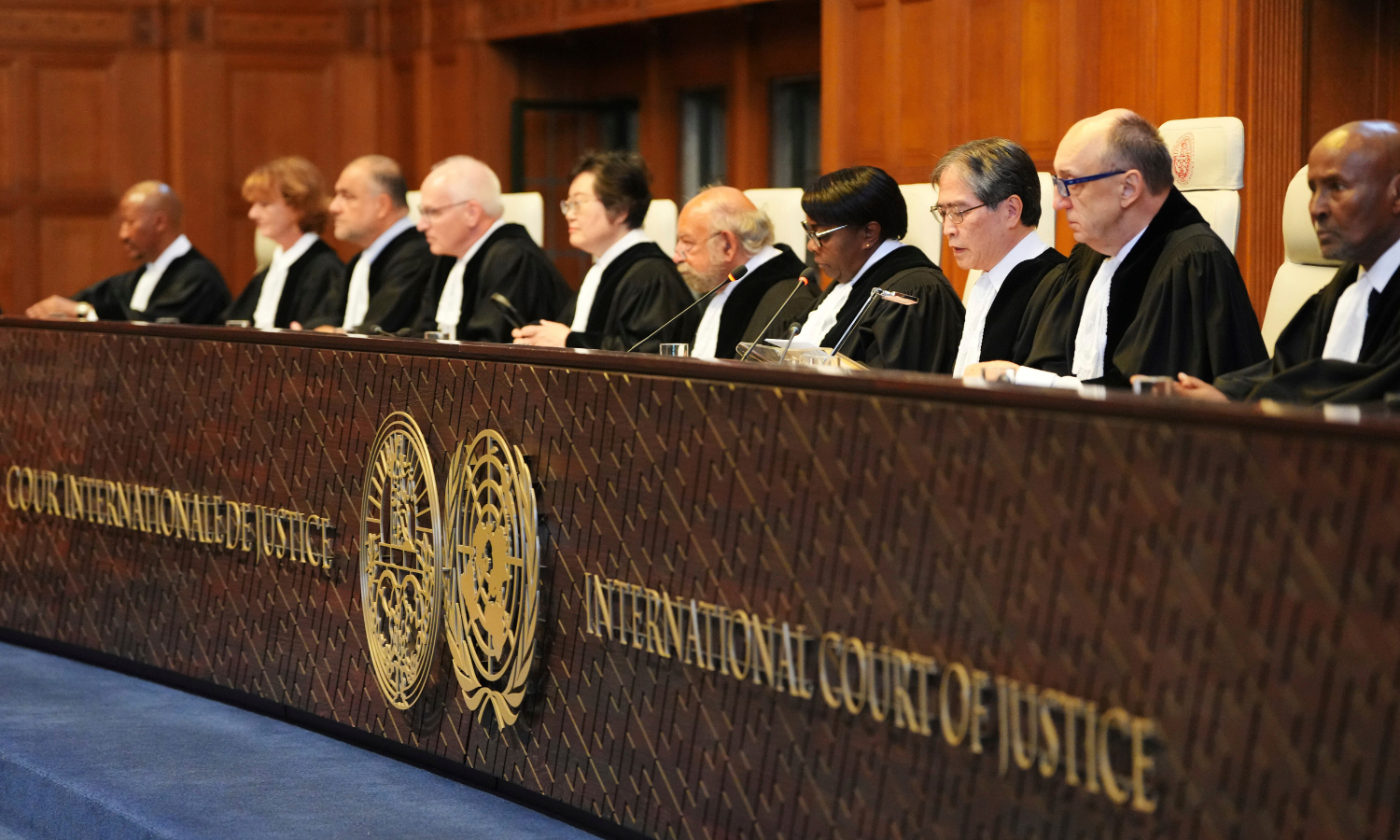
The highest court in the world said that climate change is a huge problem that could end life as we know it.
They ruled that countries must do their best to stop it, like cutting pollution and stopping the use of fuels like oil and gas.
Countries that don't act might have to pay for the damage caused by climate change.
This decision came about because of work done by students and small countries who want to see real changes.
Many countries and groups are cheering this decision, as it means that polluters can be held responsible and that there are now clearer expectations for change.

The International Court of Justice (ICJ) declared climate change an "urgent, existential threat."
The ICJ ruled states have legal obligations to reduce emissions, halt fossil fuel expansion, and provide reparations.
The ruling clarifies that states must apply "stringent" standards for climate targets, aligning with the Paris Agreement.
The opinion is expected to impact global climate litigation, potentially holding governments and companies accountable.
The ruling was prompted by a campaign led by students and supported by the Government of Vanuatu and youth-led groups.
- Who
- The ICJ, responding to a request from the UN General Assembly prompted by students from the University of the South Pacific and the Government of Vanuatu.
- What
- The International Court of Justice (ICJ) ruled that climate change is an "urgent, existential threat" and states have legal obligations to address it.
- When
- The ICJ announced its advisory opinion on Wednesday.
- Where
- The International Court of Justice.
- Why
- To clarify state responsibilities under international law regarding climate change and set legal precedents for future action.
Developed Nations
Developing Nations
Responsibility for Climate Change
Developed Nations
Should bear primary responsibility for climate change, having historically contributed the most to global emissions.
Developing Nations
Not explicitly mentioned.
Financial Obligations
Developed Nations
Must meet their finance and technology obligations and 'lead by example' by achieving net-zero emissions before 2050.
Developing Nations
Not explicitly mentioned.
- Court
- International Court of Justice (ICJ)
- Ruling
- Climate change is an "urgent, existential threat"
- Obligations
- Reduce emissions, halt fossil fuel expansion, provide reparations
- Initiated By
- Students from the University of the South Pacific, Government of Vanuatu
- Impact
- Global climate litigation, UN Climate Conference (COP30)