

Archive · 29 Jul 2026
Scientist's Bee Experiment Accidentally Unleashed Killer Bees
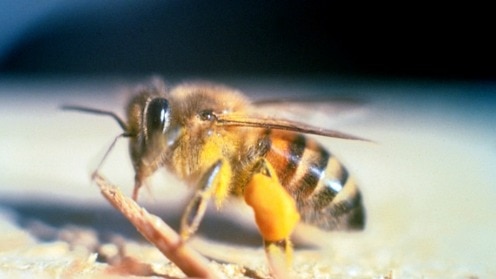
In the 1950s, a scientist named Warwick Estevam Kerr wanted to create better honey bees for Brazil.
He thought mixing European and African honey bees would make them stronger and more productive.
In 1956, he brought African queen bees to Brazil.
But in 1957, a mistake let 26 queen bees escape.
These bees spread quickly across South and Central America, reaching the United States by the 1990s.
They are more aggressive and can be dangerous, but they are also very good at surviving in hot climates.
Kerr's experiment changed how people think about bees and showed how small mistakes can have big effects on nature.

Brazilian geneticist Warwick Estevam Kerr aimed to create a hybrid honey bee by mixing European and African bees.
In 1956, Kerr imported 63 African queen bees to Brazil for the experiment.
A mistake in 1957 allowed 26 queen bees to escape, leading to the spread of Africanized honey bees.
The bees spread rapidly across two continents, reaching the United States by the 1990s.
Africanized honey bees are more aggressive and pose risks to agriculture and human safety.
- Who
- Warwick Estevam Kerr, a Brazilian geneticist
- What
- An experiment to create a hybrid honey bee
- When
- 1956-1957
- Where
- Brazil, spread across two continents
- Why
- To improve honey production and adaptability to tropical climates
Scientific Advancement
Ecological Impact
Purpose of the Experiment
Scientific Advancement
To create a hybrid bee that could improve honey production and adapt better to tropical climates.
Ecological Impact
The experiment led to the spread of aggressive Africanized honey bees, impacting agriculture and human safety.
Behavior of Africanized Honey Bees
Scientific Advancement
Africanized honey bees are more productive and resilient, beneficial for tropical environments.
Ecological Impact
They are highly defensive and aggressive, posing risks to beekeepers and the public.
- Scientist
- Warwick Estevam Kerr
- Year of Experiment
- 1956
- Number of Queen Bees Imported
- 63
- Year of Escape
- 1957
- Spread Rate
- 100 to 300 miles per year
- Impact on Agriculture
- Affects honey production and crop pollination
- Human Deaths Linked
- Approximately 1,000