

Archive · 5 Jun 2025
Nanoplastics Increase Severity of E. coli Infections
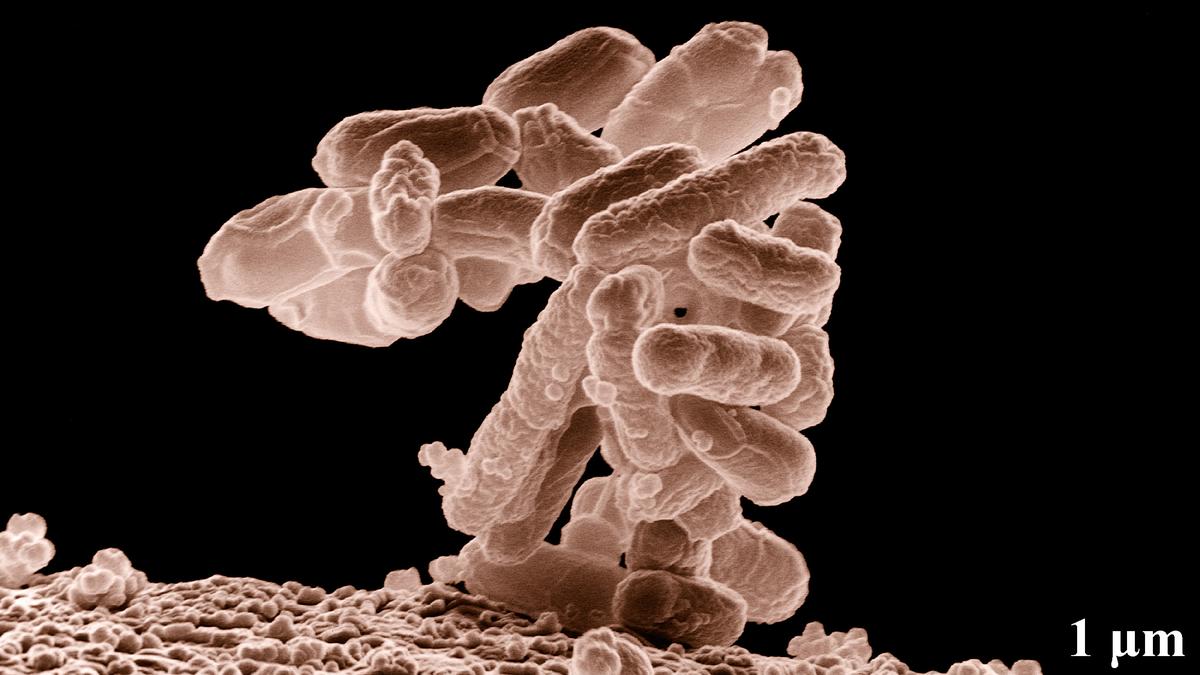
Scientists discovered that nanoplastics can worsen E. coli infections.
These tiny plastic particles, found everywhere, interact with E. coli bacteria, which have a negative charge on their outer membranes.
The positively charged nanoplastics increase stress on the bacteria, causing them to produce more toxins and potentially become more dangerous.
The study observed changes in the bacteria's genes, making them more likely to survive and cause disease.
This research highlights another negative effect of nanoplastics on our health.

Nanoplastics, even at microscopic sizes, are widespread and linked to health risks.
The study shows nanoplastics can make E. coli bacteria more dangerous.
Positively charged nanoplastics interacted with the negatively charged bacteria.
The interaction caused the bacteria to produce more Shiga-like toxins.
Changes in bacterial RNA suggest genes are adapting for survival and increased virulence.
- Who
- Researchers at the University of Illinois, Urbana-Champaign
- What
- Nanoplastics can worsen E. coli infections by increasing their virulence.
- When
- Published on June 05, 2025
- Where
- University of Illinois, Urbana-Champaign
- Why
- Positively charged nanoplastics increase stress on E. coli, making them more virulent and produce more toxins.
- Research Institution
- University of Illinois, Urbana-Champaign
- Key Finding
- Positively charged nanoplastics can make E. coli more virulent
- Published In
- Journal of Nanobiotechnology
- Study Focus
- Free-floating cells and biofilms were studied
- Bacteria Response
- E. coli produces more Shiga-like toxins