

Archive · 29 Jun 2025
India's Transition: Kerosene to Clean Energy in Rural Villages
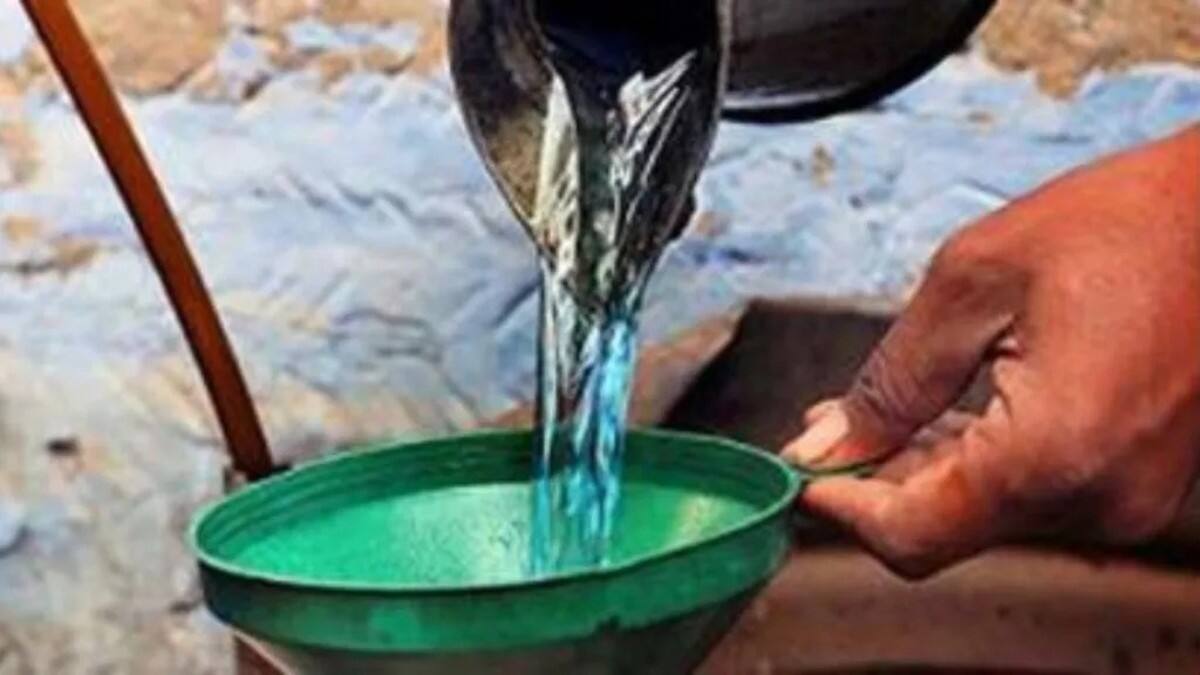
Imagine villages where people used kerosene for light and cooking, causing smoke and health problems.
India has been working to change this by providing cleaner options like gas stoves and electricity.
They offered financial help and made smart choices like using money from taxes to support these changes.
Now, more people have access to cleaner energy, leading to healthier lives and opportunities like small businesses and schools.
India's experience shows other countries a path to improve energy and help people.

India is transitioning away from kerosene, a fuel historically used for cooking and lighting in rural areas.
Government schemes like PMUY for LPG and electrification programs have achieved up to 99% penetration.
Kerosene combustion caused health issues and environmental hazards, with women and children disproportionately affected.
The transition involved strategic moves, including financial incentives, tax reforms, and targeted subsidies.
India's efforts offer lessons for the Global South, emphasizing integrated policies, targeted subsidies, and decentralized solutions.
- Who
- The Indian government and rural communities.
- What
- India's transition away from kerosene as a primary energy source in rural areas.
- When
- The transition has been underway for several years, with significant progress made by 2023-24.
- Where
- Rural India.
- Why
- To reduce health risks, environmental hazards, and improve the quality of life in rural areas.
Challenges
Solutions
Affordability Concerns
Challenges
High refill costs make some beneficiaries only use LPG as a secondary source.
Solutions
Government has implemented targeted subsidies to help make LPG affordable
- Primary Fuel Source (Past)
- Kerosene
- Key Programs
- PMUY, Saubhagya, DDUGJY
- LPG Connections (PMUY)
- 80 million+
- Electrification Rate
- Near-universal by 2019
- Clean Energy Target
- 500 GW by 2030
- Lives Saved (IEA est.)
- 1.5 million annually