

Archive · 26 Aug 2026
Why Government Policies Lose the First Public Conversation
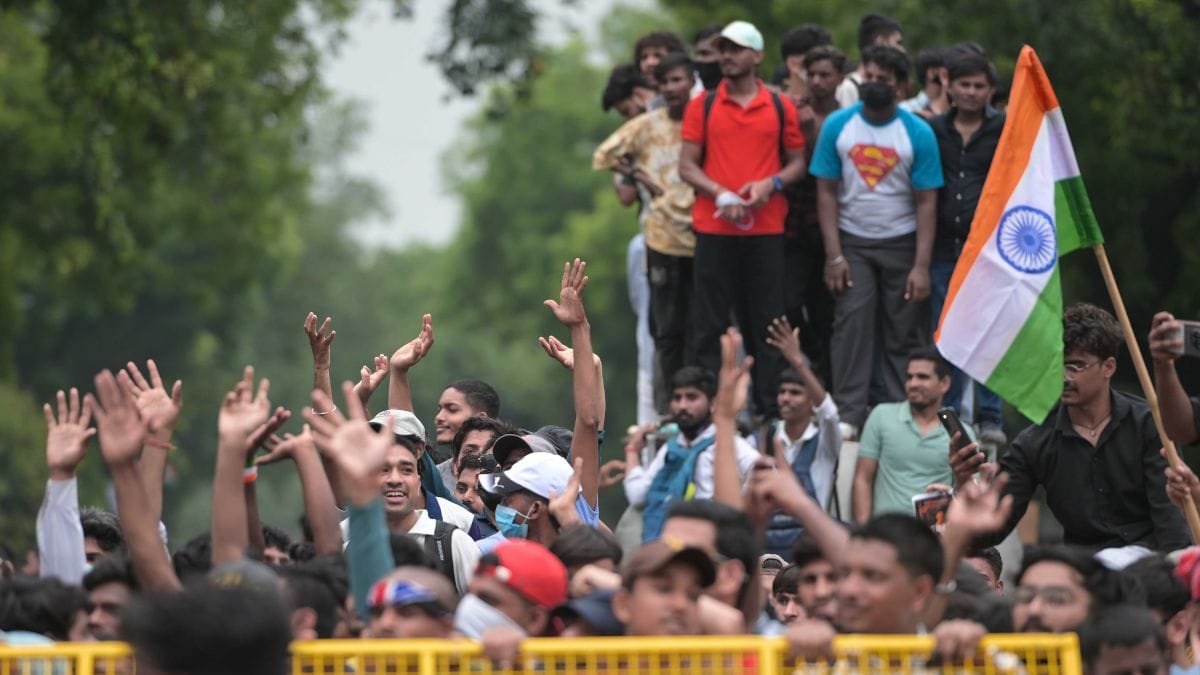
The essay says a government announcement is only the beginning of a policy’s journey.
People then ask how the decision will affect their lives.
They often learn what it means from journalists, experts, YouTubers, friends and family.
These explanations can shape public opinion before the government responds again.
The article connects this pattern to protests over the Citizenship Amendment Act, farm laws, Agnipath and NEET re-examination.
It claims a student movement in India lasted 36 days and involved more than 100,000 students.
The essay argues that governments usually communicate more actively after protests have already grown.
Its main advice is that governments should listen and explain policies before public anger turns into street demonstrations.

The essay claims a student movement over a NEET re-examination decision grew from unresolved questions about its effect on students’ futures.
It says more than 100,000 students protested in India’s national capital for 36 days, ultimately forcing Education Minister Dharmendra Pradhan’s resignation.
The article argues that official notifications explain what governments decided but do not determine how citizens interpret those decisions.
It identifies journalists, experts, YouTubers, friends and families as major influences on how policies acquire public meaning.
The essay says governments often intensify communication only after protests begin, and urges them to engage earlier in the policy-interpretation process.
- Who
- The essay discusses Indian governments, citizens and students; it claims the student movement ultimately led to Education Minister Dharmendra Pradhan’s resignation.
- What
- It examines the gap between issuing a policy notification and explaining how citizens interpret its effects, using student protests over NEET re-examination as its main example.
- When
- The discussion refers to protests over the last decade and describes a 36-day student mobilization; no specific calendar dates are provided.
- Where
- India, particularly New Delhi’s Jantar Mantar and public discussions in homes, classrooms, workplaces and online groups.
- Why
- The essay argues that official announcements do not settle a policy’s practical meaning, allowing public interpretations and doubts to develop before governments engage substantively.
Government Notification View
Public Interpretation View
When communication is complete
Government Notification View
Governments may treat drafting, approving, notifying and implementing a policy as the central communication process.
Public Interpretation View
Citizens often see the notification as the start of the process because they still need to understand its consequences for their lives.
Who shapes policy meaning
Government Notification View
Official statements and later clarifications are intended to explain what the government has decided.
Public Interpretation View
Journalists, experts, YouTubers, friends and families may shape public understanding before government explanations reach people.
Timing of engagement
Government Notification View
Governments often become more publicly visible through press conferences, clarifications, committees and negotiations once an agitation develops.
Public Interpretation View
The essay argues that earlier engagement could address doubts before interpretations harden and protests begin.
- Main argument
- Public policy has a formal life inside government and a second public life in which society interprets its meaning.
- Main example
- The essay focuses on doubts surrounding a government decision on NEET re-examination.
- Reported protest duration
- 36 days, according to the essay.
- Reported participation
- More than 100,000 students, according to the essay.
- Protest location
- Jantar Mantar in India’s national capital.
- Other agitations cited
- The Citizenship Amendment Act, farm laws and the Agnipath recruitment scheme.
- Recommended change
- Governments should anticipate public questions and enter the interpretive conversation before protests gain momentum.