Archive · 5 Nov 2025
Sindhi Leader Alleges Secret Nuclear Activities by Pakistan in Sindh
A leader from the Sindhi community in Pakistan has written to the United Nations and other global organizations, like the nuclear watchdog agency.
He claims that Pakistan's military is secretly building underground tunnels in the mountains of Sindh.
These groups suspect that these tunnels might be used to store nuclear materials or for nuclear processes.
They are worried this could be dangerous, potentially causing radiation leaks and harming people and the environment.
Because of these concerns, they are asking for outside experts to come and investigate if these secret nuclear activities are really happening and if they are safe.
They want to make sure international rules are being followed and that everyone is protected from any potential harm.

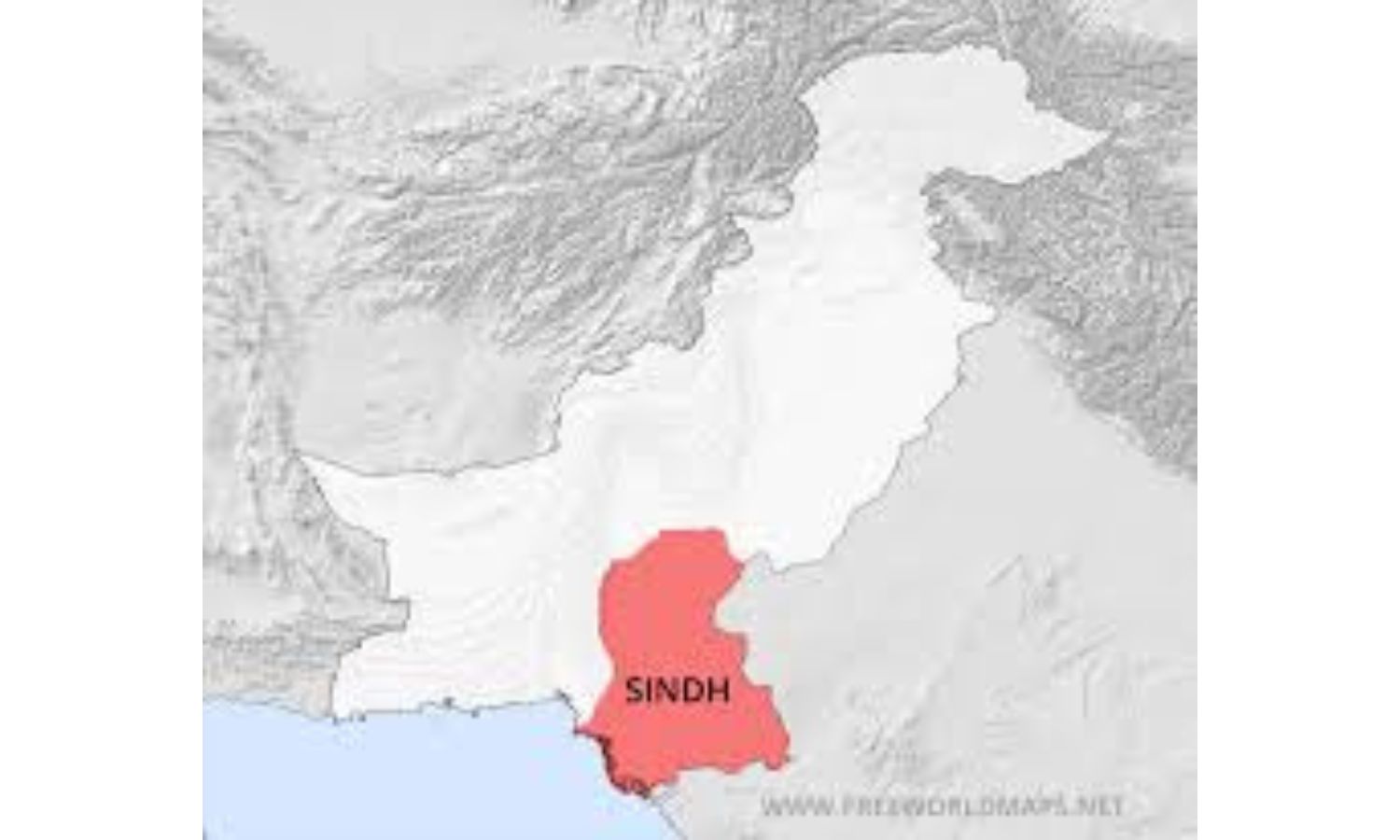
Shafi Burfat of JSMM has accused Pakistan of secret uranium enrichment and nuclear storage in Sindh.
Allegations point to the construction of clandestine underground tunnels and chamber systems in remote mountainous areas of Sindh.
The locations cited include areas north of Jamshoro, around Kambar-Shahdadkot, and west of Manchar Lake.
Burfat has written to the UN Secretary-General, IAEA, and other international bodies, calling for an independent inquiry.
Concerns include risks of radioactive contamination, environmental damage, and violations of international nuclear-safety standards.
- Who
- Shafi Burfat, Chairman of the Jeay Sindh Muttahida Mahaz (JSMM), representing Sindhi civil society and the National Movement of Sindhudesh
- What
- Accused Pakistan of conducting secret nuclear activities, including uranium enrichment and storage, within underground tunnels and chamber systems in Sindh.
- When
- Wednesday (date of letter publication)
- Where
- Remote mountainous areas in Pakistan's Sindh Province, specifically north of Jamshoro near Noriabad, around Kambar-Shahdadkot, and west of Manchar Lake.
- Why
- To alert the international community to credible allegations of clandestine nuclear activities, demanding an independent inquiry and precautionary measures due to potential threats to regional peace, security, environmental safety, and human rights.
Sindhi Leader's Allegations
Pakistani Government Stance
Nuclear Activities in Sindh
Sindhi Leader's Allegations
Shafi Burfat of JSMM alleges Pakistan is conducting uranium enrichment and nuclear storage in clandestine underground tunnels and chamber systems in remote mountainous areas of Sindh. He claims this poses a threat to regional peace, security, and environmental safety.
Pakistani Government Stance
The provided article does not contain any statement or stance from the Pakistani government regarding these allegations.
Evidence of Construction
Sindhi Leader's Allegations
Burfat cites independent local testimonials, dated photographs, annotated maps, and community reports indicating extensive underground construction, restricted access, and increased secrecy around specific sites in Sindh.
Pakistani Government Stance
The provided article does not contain any statement or stance from the Pakistani government regarding the evidence.
Potential Risks
Sindhi Leader's Allegations
Concerns are raised about severe risks of radioactive contamination, accidents, ecosystem damage, and violations of international nuclear-safety and non-proliferation obligations if nuclear materials or sensitive processes are present in unmonitored underground facilities.
Pakistani Government Stance
The provided article does not contain any statement or stance from the Pakistani government regarding these potential risks.
- Accuser
- Shafi Burfat, Chairman of Jeay Sindh Muttahida Mahaz (JSMM)
- Alleged Activities
- Uranium enrichment and nuclear storage in clandestine underground tunnels and chamber systems.
- Alleged Locations
- Remote mountainous areas in Sindh Province: North of Jamshoro near Noriabad, around Kambar-Shahdadkot, and west of Manchar Lake.
- International Bodies Notified
- UN Secretary-General, IAEA, OHCHR, UN Office for Disarmament Affairs.
- Demands
- Independent international inquiry and immediate precautionary measures.
- Basis for Allegations
- Verified information, independent local testimonials, dated photographs, annotated maps, and community reports.