Archive · 10 Nov 2025
India Slows Coal Production Amid High Stocks and Cooling Power Demand
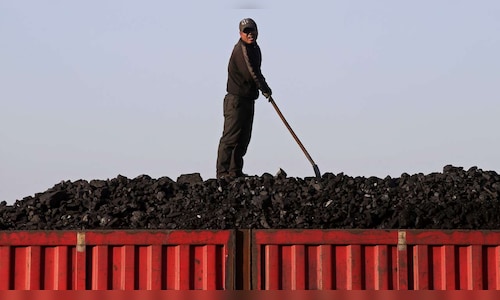
India is producing less coal because it has a lot of it already, and power plants have enough to last for more than three weeks.
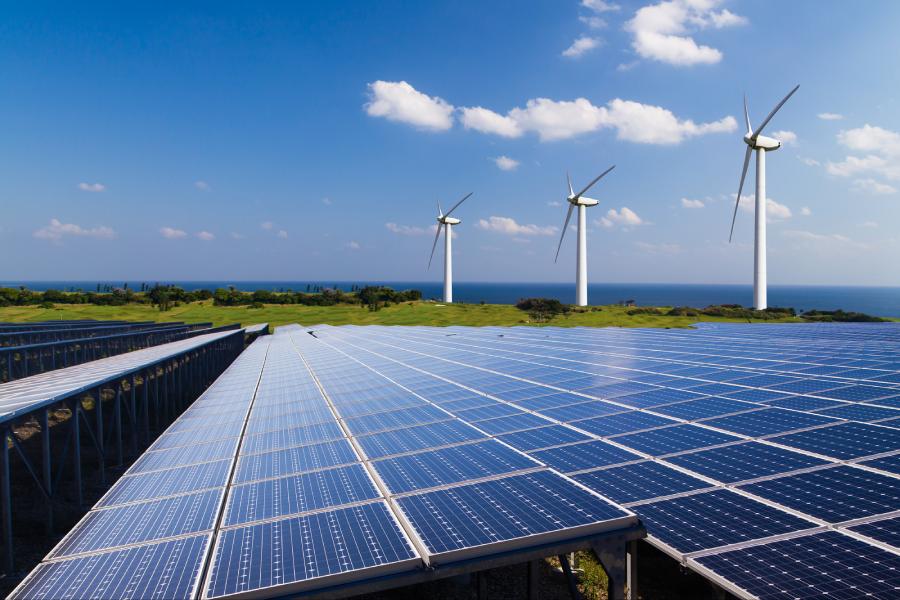
Also, people are using less electricity because it's cooler due to more rain, and more homes are using clean energy like solar and wind power.
Because of this, the country is ahead of its own goals for using clean energy, with half of its electricity now coming from sources other than fossil fuels.
India is also planning to stop importing natural gas for power, which helps the environment and reduces reliance on other countries.
The government is supporting new clean energy projects like solar power for farms, green hydrogen, and better ways to store and integrate renewable energy into the power grid.
These steps show India is moving towards a cleaner energy future.

India has slowed coal production due to significant stockpiles and reduced power demand.
Peak power demand has been lower than projected, aided by increased renewable energy generation and cooler weather.
India has achieved 50% of its installed electricity capacity from non-fossil fuel sources, ahead of its target.
Renewable energy capacity has grown substantially, with numerous projects under implementation and tendered.
Key initiatives like distributed solar, green hydrogen, and grid integration are driving future clean energy growth.
- Who
- India
- What
- Curbs coal production amidst high coal stocks and lower-than-normal peak power demand, while advancing its transition to clean energy.
- When
- Current season and ongoing initiatives into FY2025-26 and beyond.
- Where
- India
- Why
- To manage high coal reserves, accommodate increased renewable energy generation, reduce import dependence, and meet climate goals.
Energy Transition Drivers
Challenges and Transition Steps
Coal Production and Stockpiles
Energy Transition Drivers
India is curbing coal production due to significant stockpiles of coal at pitheads and sufficient reserves for power generation, alongside lower-than-normal peak power demand.
Challenges and Transition Steps
Despite high coal stocks, India is actively pursuing a transition towards clean energy, evidenced by its progress in non-fossil fuel capacity and various ongoing renewable energy initiatives.
Renewable Energy Growth
Energy Transition Drivers
India has achieved 50% of its installed electricity capacity from non-fossil fuel sources five years ahead of schedule, with renewable energy capacity expanding significantly over the last decade.
Challenges and Transition Steps
Future growth in clean energy is being driven by projects like hybrid and round-the-clock (RTC) power, offshore wind, pumped hydro storage, distributed solar (PM Suryaghar and PM-KUSUM), and the National Green Hydrogen Mission.
Power Demand and Supply
Energy Transition Drivers
Peak power demand in India has been lower than projected due to increased renewable generation and cooler temperatures from extended rainfall, suppressing thermal power demand.
Challenges and Transition Steps
India is planning to phase out natural gas imports for power generation to reduce import dependence and greenhouse gas emissions, indicating a strategic shift in its energy mix.
- Coal stock at pitheads
- Nearly 100 million tonnes (MT)
- Coal stock sufficiency for power plants
- Over 21 days of supply
- Daily coal consumption for power generation
- Approximately 2.05 MT
- Projected peak power demand in 2025 (India)
- Between 240 GW and 245 GW
- India's non-fossil fuel capacity target achievement
- 50% of installed electricity capacity
- Renewable energy capacity (Oct 2025)
- Over 197 GW (excluding large hydro)
- Renewable energy projects under implementation (FY2025-26)
- 169.40 GW
- Renewable energy projects tendered (FY2025-26)
- 65.06 GW