

Archive · 17 Nov 2025
Math Model Recreates Boxfish Patterns Using Turing's Theory
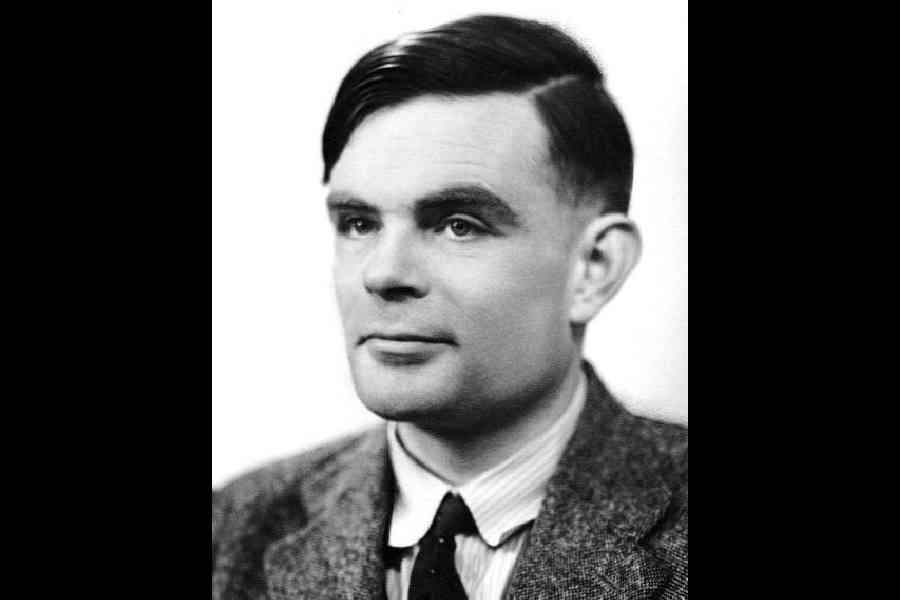
Scientists made a new math model to understand how boxfish get their cool spots and stripes.
They used an old idea from a smart guy named Alan Turing.
Other models made the patterns too perfect, so they added how cells move together and bump into each other to make the patterns look more real.
This could help make better camouflage clothes or soft robots in the future.

Engineers Siamak Mirfendereski and Ankur Gupta developed a mathematical model to recreate ornate boxfish patterns.
The model builds upon Alan Turing's 1952 theory of diffusion and reaction to explain pattern formation.
Unlike previous models, this simulation includes imperfections like blurry edges and variations in pattern thickness.
The innovation involved incorporating diffusiophoresis and accounting for cell collisions.
This research could lead to advancements in bio-inspired camouflage and soft robotics.
- Who
- Engineers Siamak Mirfendereski and Ankur Gupta
- What
- Developed a mathematical model to accurately recreate ornate boxfish patterns, including natural imperfections.
- When
- The study was published last week.
- Where
- University of Colorado Boulder, US
- Why
- To better understand pattern formation in nature and potentially lead to bio-inspired technologies.
Existing Models
New Model's Advancements
Pattern Idealization
Existing Models
Previous computer simulations often produced overly idealized patterns, lacking natural imperfections.
New Model's Advancements
The new simulation accounts for imperfections such as blurry edges, variations in thickness, and cell clumping.
Biological Specificity
Existing Models
Turing's original model, like the new one, simplifies biological mechanisms, lacking details on pigment production.
New Model's Advancements
The new model incorporates diffusiophoresis and cell-to-cell interactions, moving closer to biological reality.
- Organism Studied
- Ornate boxfish
- Researchers
- Siamak Mirfendereski and Ankur Gupta (University of Colorado Boulder)
- Mathematical Basis
- Alan Turing's 1952 diffusion-reaction model (Turing patterns)
- Key Innovation
- Incorporation of diffusiophoresis and cell-to-cell interactions
- Study Publication
- Matter (last week)
- Potential Applications
- Bio-inspired camouflage fabrics, soft robotics