

Archive · 22 Jul 2026
World Brain Day 2026: History, Objectives, and Significance
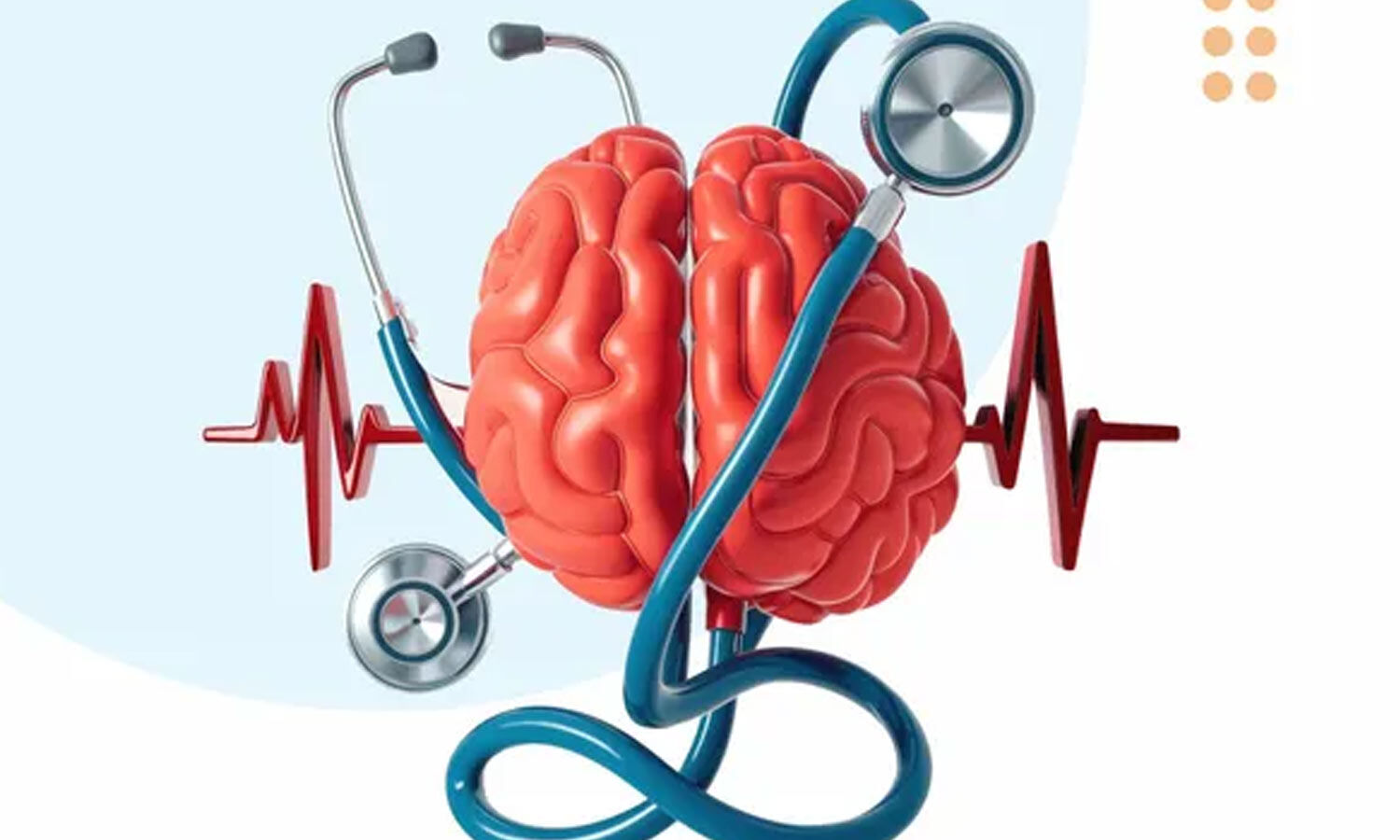
World Brain Day is celebrated every year on July 22 to raise awareness about brain health and neurological diseases.
It was started by the World Federation of Neurology in 2014 to remind everyone about the importance of keeping our brains healthy.
The brain controls everything from our thoughts and emotions to our bodily functions, so taking care of it is crucial.
The day aims to spread awareness, prevent brain disorders, ensure access to quality care, educate people about brain health, and advocate for better brain health globally.
Common brain conditions include stroke, epilepsy, migraine, Alzheimer's, Parkinson's, multiple sclerosis, and brain tumors.
Early detection and treatment are essential for managing these conditions effectively.

World Brain Day is celebrated annually on July 22 to raise awareness about brain health and neurological diseases.
The campaign was initiated by the World Federation of Neurology (WFN) in 2014.
The brain controls vital bodily functions and maintaining its health is crucial for overall well-being.
Common brain conditions include stroke, epilepsy, migraine, Alzheimer's, Parkinson's, multiple sclerosis, and brain tumors.
The objectives of World Brain Day are to spread awareness, prevent brain disorders, ensure access to quality care, educate people, and advocate for better brain health.
- Who
- World Federation of Neurology (WFN) and global participants
- What
- World Brain Day, a campaign to raise awareness about neurological diseases and brain health
- When
- July 22, annually
- Where
- Globally
- Why
- To promote early intervention, decrease stigma, and improve brain health awareness
Proactive Brain Health Advocates
Skeptics of Brain Health Initiatives
Importance of Awareness
Proactive Brain Health Advocates
Advocates emphasize the critical need for awareness to reduce stigma and promote early diagnosis and treatment of brain disorders.
Skeptics of Brain Health Initiatives
Skeptics argue that awareness campaigns may lead to unnecessary anxiety and overdiagnosis without sufficient evidence of their effectiveness.
Resource Allocation
Proactive Brain Health Advocates
Advocates push for increased funding for brain health research, treatment, and education, citing the high burden of brain disorders.
Skeptics of Brain Health Initiatives
Skeptics believe that resources should be allocated based on proven effectiveness and cost-benefit analysis, questioning the prioritization of brain health over other medical needs.
- Date
- July 22, annually
- Founded
- 2014
- Founded By
- World Federation of Neurology (WFN)
- Common Brain Conditions
- Stroke, Epilepsy, Migraine, Alzheimer's, Parkinson's, Multiple Sclerosis, Brain Tumors
- Key Objectives
- Awareness, Prevention, Access, Education, Advocacy