

Archive · 12 Jan 2026
US Captures Maduro, Sends Message to China

The United States recently captured Venezuelan President Nicolas Maduro in a military operation.
This action was partly meant to send a message to China, telling them to stay away from the Americas.
The US has also seized a large amount of Venezuelan oil, which was previously bound for Chinese ports.
China has reacted strongly, calling the US actions illegal and bullying.
The US has also warned Cuba that it will no longer receive oil or money from Venezuela, which could worsen Cuba's already severe economic crisis.
Meanwhile, India's trade with Venezuela is expected to be minimally impacted, as the country's share of India's total overseas production is very low.
The situation highlights the complex geopolitical dynamics at play, with the US asserting its influence in Latin America and China and Cuba reacting to these actions.

The US captured Venezuelan President Nicolas Maduro in a military operation to counter Chinese influence in Latin America.
The US seized 30-50 million barrels of Venezuelan oil, previously bound for Chinese ports, and plans to sell it to support its political objectives.
China reacted strongly, calling the US actions unilateral, illegal, and bullying, and rejected the US's interference in Latin American affairs.
The US warned Cuba that it will no longer receive oil or money from Venezuela, which could worsen Cuba's severe economic crisis.
India's trade with Venezuela is expected to be minimally impacted, as the country's share of India's total overseas production is very low.
- Who
- US President Donald Trump, Venezuelan President Nicolas Maduro, Chinese government, Cuban government, Indian government and oil companies
- What
- US military operation to capture Maduro, seizure of Venezuelan oil, US warning to China and Cuba, potential impact on India's trade
- When
- After the US military operation in Venezuela and capture of Maduro
- Where
- Venezuela, United States, China, Cuba, India
- Why
- To counter Chinese influence in Latin America, protect US interests, and potentially impact Cuba's economy and India's trade
US Perspective
China's Perspective
US Military Intervention in Venezuela
US Perspective
The US sees the capture of Maduro as a strategic move to counter Chinese influence in Latin America and to protect US interests in the region.
China's Perspective
China views the US action as unilateral, illegal, and bullying, and rejects the US's interference in Latin American affairs.
Venezuela's Oil
US Perspective
The US plans to sell seized Venezuelan oil to support its political objectives and to reduce Chinese influence in the region.
China's Perspective
China sees the US seizure of Venezuelan oil as a threat to its economic interests and a violation of international law.
US-China Relations
US Perspective
The US wants to limit Chinese influence in the Americas and is willing to use military force to achieve this goal.
China's Perspective
China believes the US is acting unilaterally and is concerned about the implications for its own interests in the region.
- US Military Operation
- Capture of Venezuelan President Nicolas Maduro
- US Message to China
- Stay away from the Americas
- Venezuela's Oil
- 30-50 million barrels seized by the US
- China's Reaction
- Rejected US actions as unilateral and bullying
- US-China Relations
- Contradictory policy with concessions and assertive support for Taiwan
- Venezuela's Economic Situation
- Severe economic crisis with power outages and fuel shortages
- Cuba's Economic Situation
- Facing severe economic strain and potential collapse
- India's Trade with Venezuela
- Minimal impact on India's oil supplies and overall trade
Sources
Why is Reliance buying Venezuelan crude oil from US that costs more than Middle Eastern imports? Expert questions
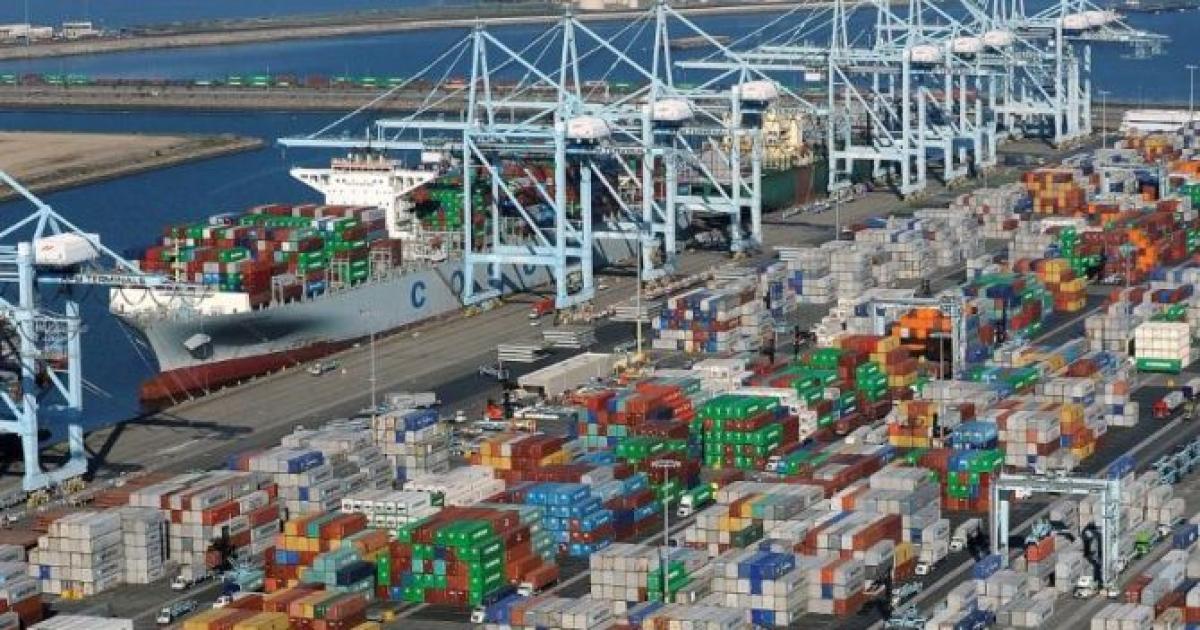
Venezuela Turmoil Unlikely To Rattle India's Trade
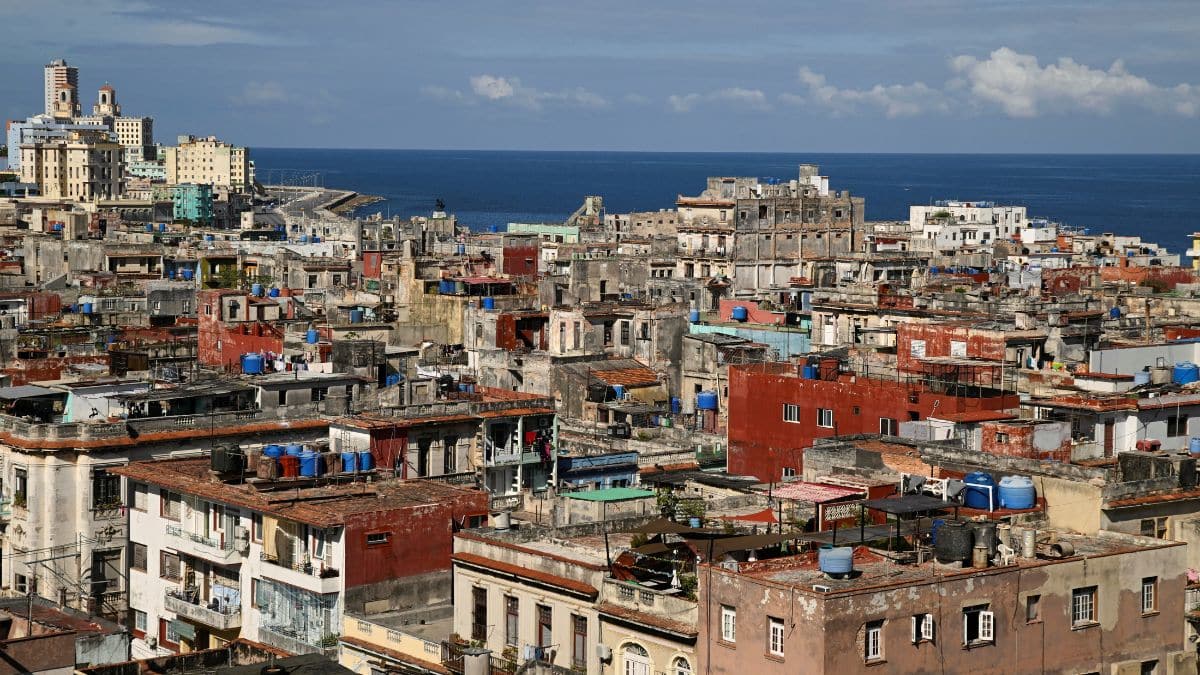
'It's going down': After Venezuela, why is Trump threatening Cuba?
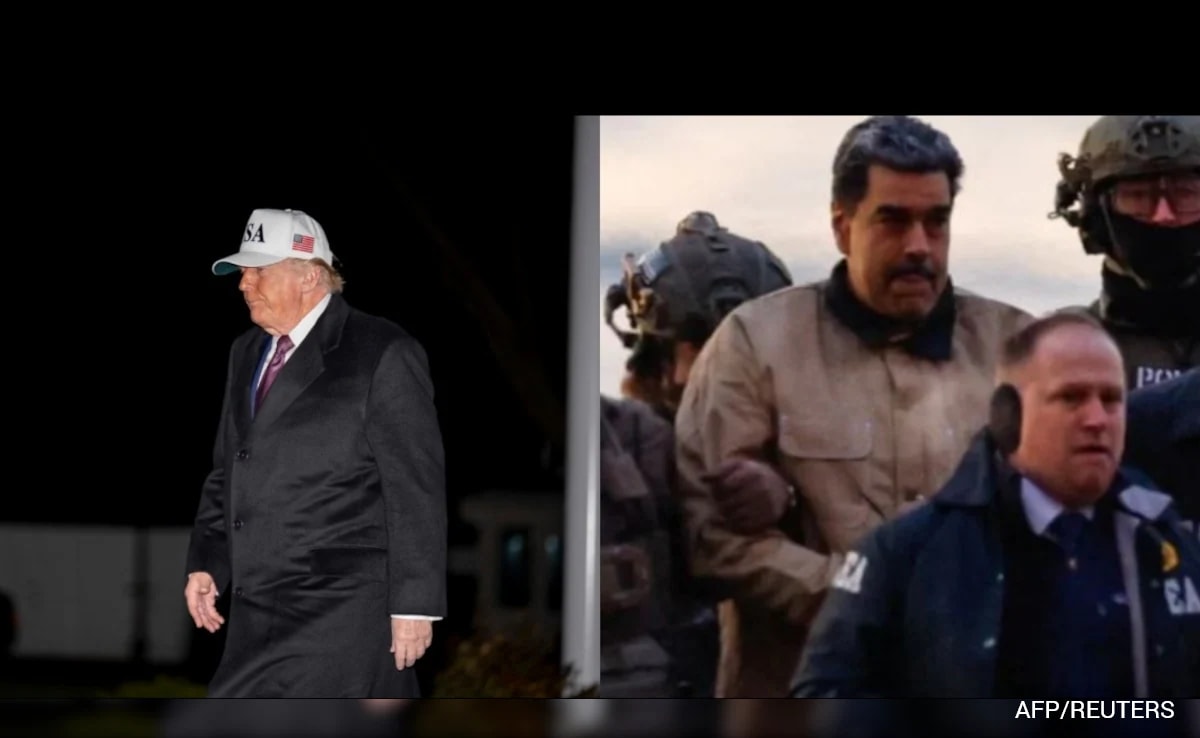
How Trump Sent A "Stay Away From Americas" Warning To China With Maduro Raid
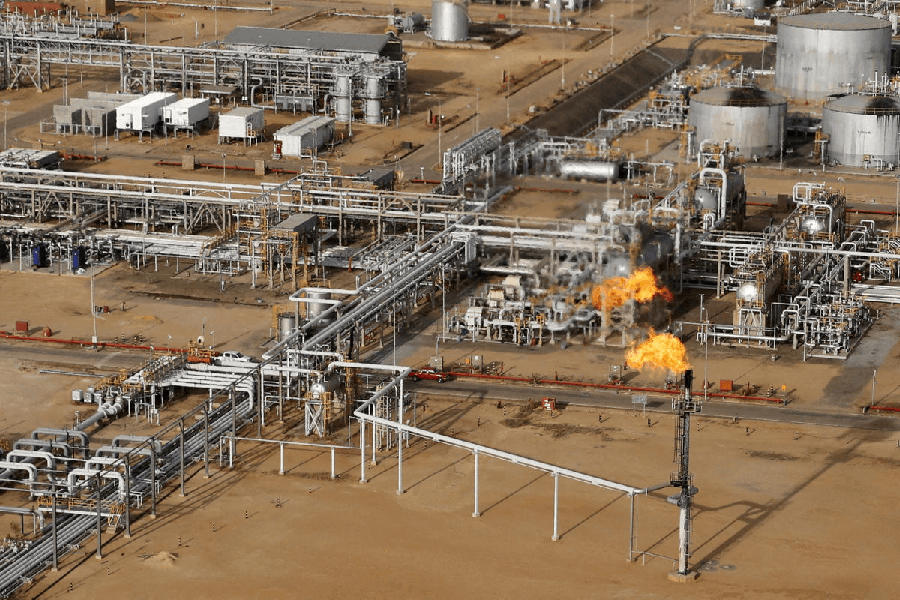
Vitol, Trafigura in talks with Indian, Chinese refiners for March delivery of Venezuelan oil
