9 months ago
India's Food Services Market to Hit $125B by 2030
India's food services industry is expected to grow a lot by 2030, reaching $125 billion.
This growth is happening because people have more money to spend, they use digital services more, and they want convenient food options.
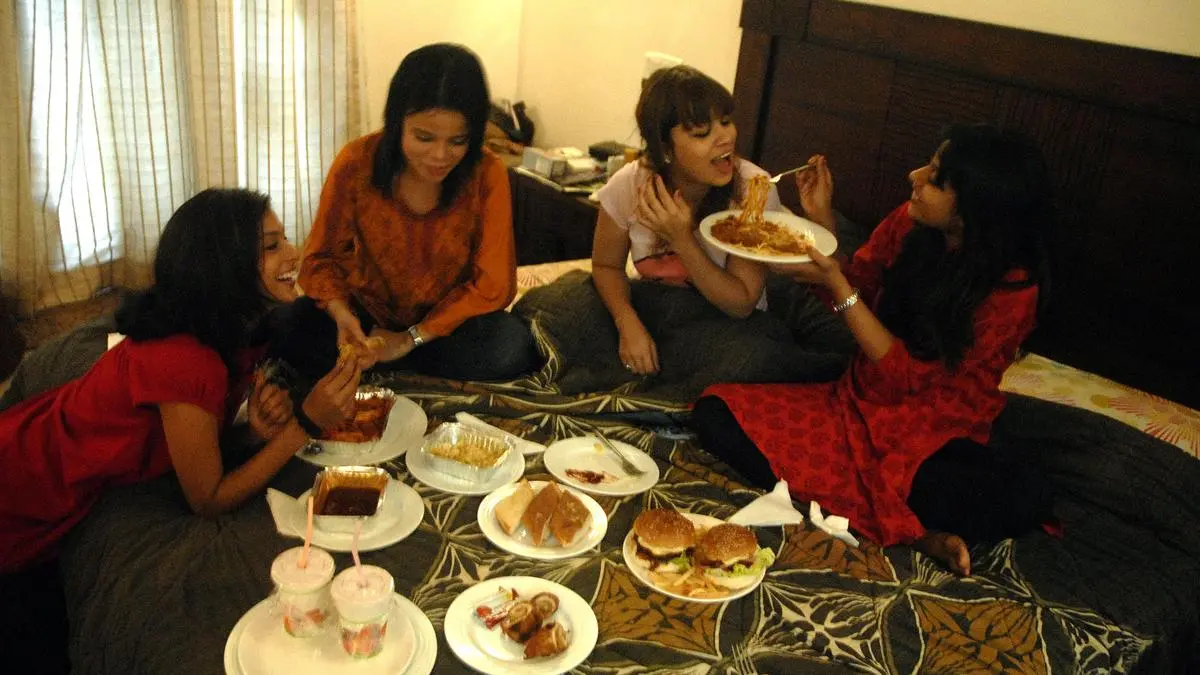
Late-night food deliveries are becoming very popular, especially for items like pizza, cakes, and soft drinks.
Health-conscious food choices are also growing faster than other types of food.
People in India are trying new types of food, both from different regions within India and from other countries like Korea, Vietnam, and Mexico.
The organized part of the food industry, like cloud kitchens and quick service restaurants, is growing faster than the unorganized part.
This growth is not just in big cities but also in smaller cities and towns.
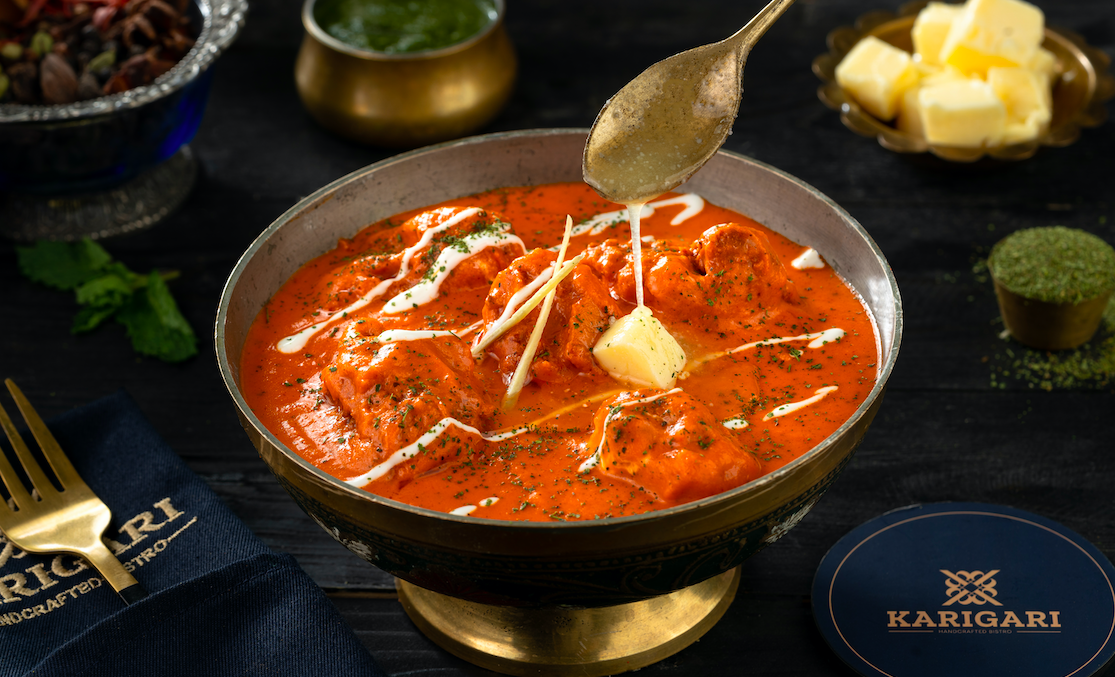
Fine dining in India is also changing, moving away from familiar dishes like butter chicken to more regional and authentic foods.
Chefs are using traditional cooking methods and focusing on the unique flavors and stories of different regions.
Diners are becoming more interested in where their food comes from and the history behind it.
This shift is making Indian fine dining more diverse and culturally rich.

India's food services market projected to reach $125 billion by 2030, growing at 10% CAGR from $78 billion in 2025.
Organized segment expected to grow at 12-14% CAGR, accounting for over 60% of industry growth by 2030.
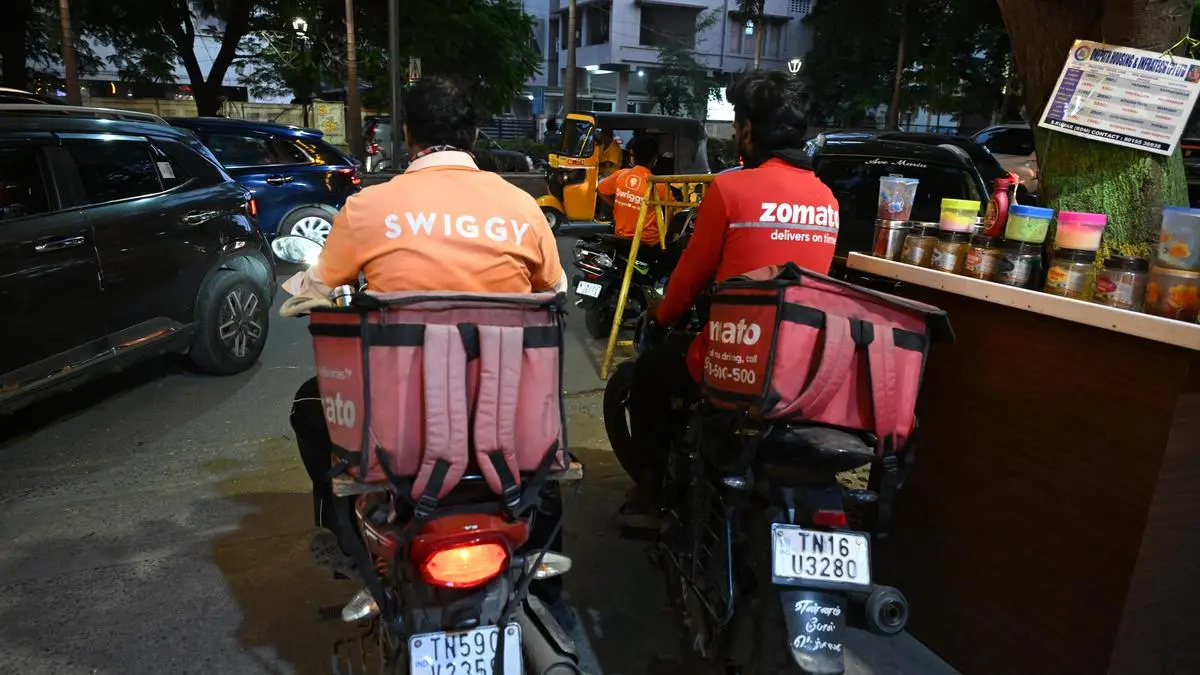
Key growth drivers include late-night deliveries, faster deliveries, and increased demand for health foods.
Cloud kitchens, quick service restaurants, and dessert parlors are leading growth areas.
Late-night dining is growing nearly 3x faster than dinner, with pizza, cakes, and soft drinks being the most popular items.
- Who
- India's food services industry, Swiggy, Kearney
- What
- Projected growth of India's food services industry to $125 billion by 2030
- Where
- India
- When
- Report published on November 27, 2025
- Why
- Driven by rising disposable incomes, digital adoption, and preference for convenience
Traditional Fine Dining
Regional Fine Dining
Menu Composition
Traditional Fine Dining
Focuses on familiar, pan-Indian dishes like butter chicken and paneer tikka for consistency and commercial success.
Regional Fine Dining
Embraces regional diversity, featuring specific dishes like Banarasi tamatar chaat and Rajasthani floral sharbats to highlight cultural authenticity.
Culinary Techniques
Traditional Fine Dining
Relies on modern, often European-inspired plating and deconstruction techniques to appeal to global tastes.
Regional Fine Dining
Reintroduces traditional techniques like slow roasting, stone grinding, and fermenting with contemporary precision to preserve cultural logic.
Diner Preferences
Traditional Fine Dining
Caters to broad, mainstream preferences with predictable, crowd-pleasing dishes.
Regional Fine Dining
Appeals to informed diners who value narrative, sourcing transparency, and regional authenticity, seeking dishes with depth and meaning.
Key facts
- Projected Market Size
- Current Market Size
- Growth Rate
- 10% CAGR
- Organized Segment Growth
- 12-14% CAGR
- Organized Segment Share
- Over 60% of incremental growth by 2030
- Key Growth Areas
- Cloud kitchens, QSR, desserts, late-night dining, health foods
- Late-Night Growth
- 3x growth compared to dinner
- Health Food Growth
- 2.3x compared to overall order growth
- Hyper-Regional Cuisine Growth
- Goan, Bihari, Pahari cuisines growing faster than mainstream
- Global Cuisine Growth
- Korean (17x), Vietnamese (6x), Mexican (3.7x)
Timeline
ITC buys brands like Yoga Bar, eyes growth in food biz.
Invests Rs 20,000 crore, expands into food-tech.
Food-tech push sparks demand for healthy, convenient eats.
Late-night deliveries, global cuisines fuel food craze.
India's food services industry to hit $125B by 2030.
Quotes
Rohit Kapoor
CEO of Swiggy Food Marketplace
“In a span of just over a decade, the industry has seen disproportionate evolution. Expectations on speed are being shaped by quick commerce; for instance, our 10-minute food delivery service Bolt contributes over 10% of platform orders.”
 businesstoday.in
Rajat Tuli
Partner, F&B Lead and QSR Asia Lead at Kearney
“GenZ offers high promise, growing 3x of other cohorts in the dining-out segment while demanding innovations like coffee raves and Instagram-worthy locations and menus. The next wave of leadership in food services will come from players who understand these new markets and consumers. Additionally, in food delivery, packaging innovation will substitute for format in dining-out.”
businesstoday.in
Sources
India’s food services market to top $125 bn by 2030, organised segment to lead growth: Swiggy–Kearney report
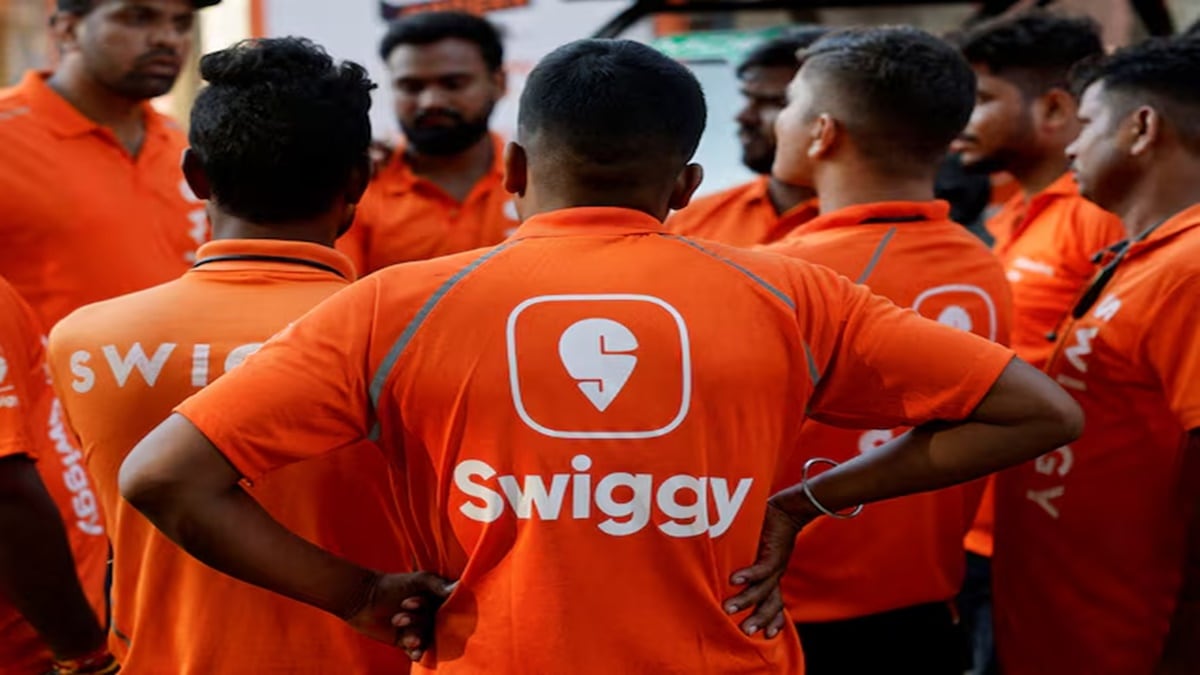
Food services market to touch $125 billion by 2030: Swiggy-Kearney report

Swiggy’s Bolt driving growth, higher customer retention

One-year-old Swiggy Bolt sees wide adoption as it aces the 10-minute hunger games
India’s food services market to top $125 bn by 2030, organised segment to lead growth: Swiggy–Kearney report
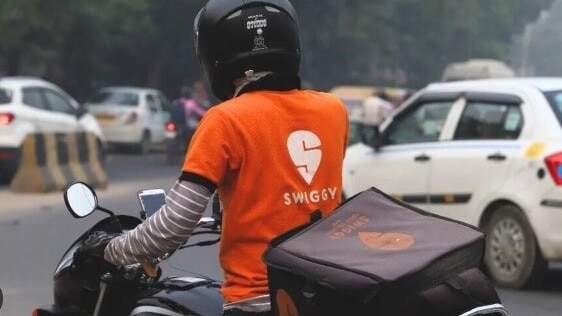
From boba to biryani, Swiggy report shows India’s food market heading past $125 bn
Late Night , healthy food ordering on the rise, Indian food services to cross $125 billion by 2030
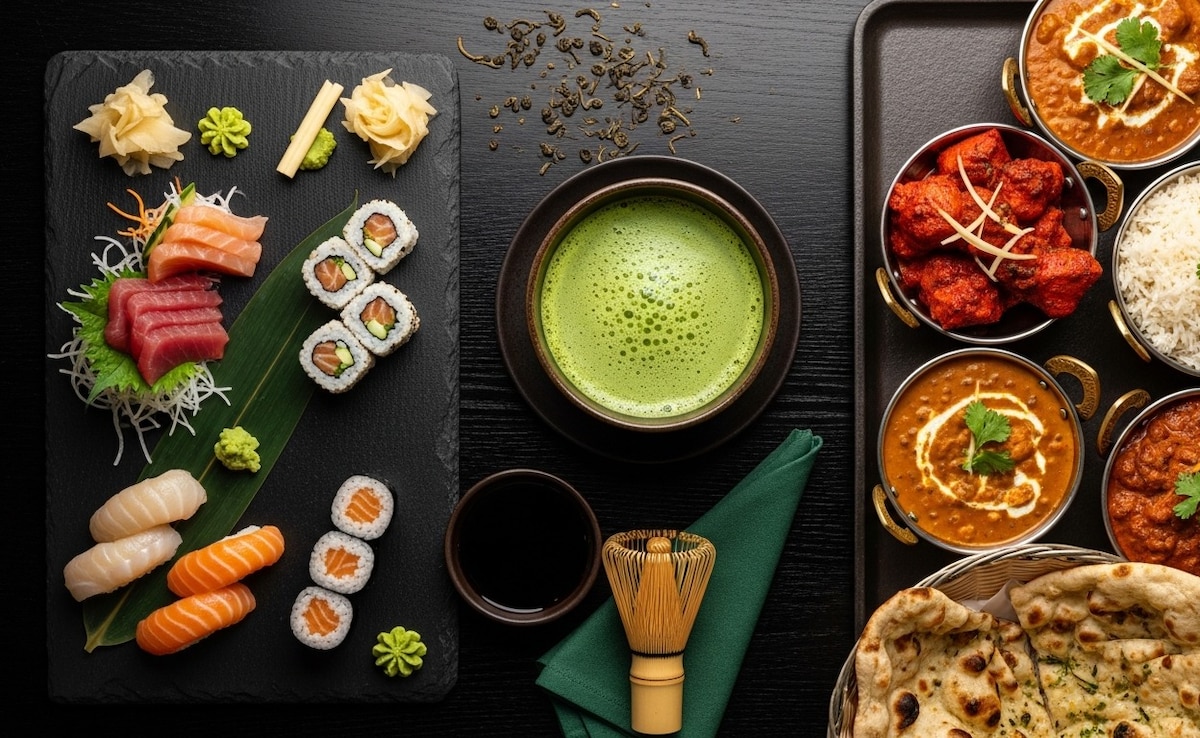
From Late Night Orders To Sipping Matcha: How India Ate In 2025, Swiggy Reveals
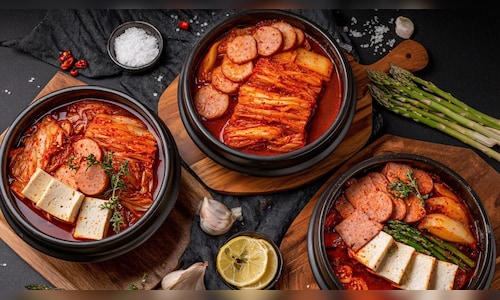
Buttermilk beats soft drinks, Korean cuisine grows 17x: How Indians' taste buds are evolving