

Archive · 31 Dec 2025
Flexible Work Arrangements and Women's Burdens
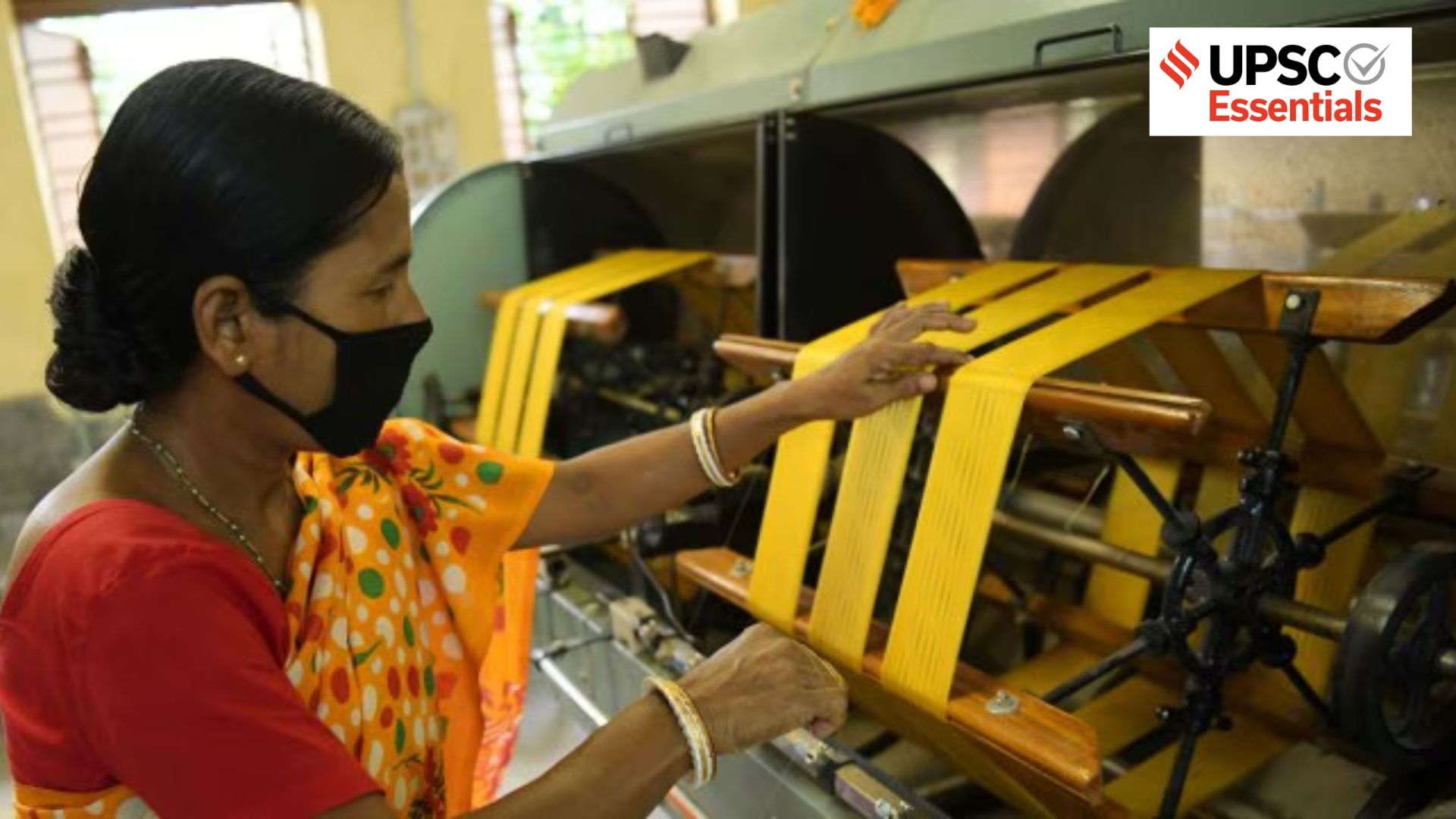
In India, there are new laws and technologies that aim to help women balance work and home life.
For example, Kerala has a proposed law that lets workers disconnect after work hours.
Digital tools and flexible work arrangements, like working from home, can help women join the workforce.
However, women still do a lot of unpaid housework and care for family members, which can be very tiring.
This is especially true for women in corporate jobs who have to be available all the time.
To make things better, experts say we need more support like affordable childcare and paid leave for parents.
Without these, women will still carry most of the burden at home.

Kerala's Right to Disconnect Bill 2025 aims to help private sector workers balance work and personal life by allowing them to log off after work hours.
India's female labour force participation rate (FLFPR) is low and has been declining, but recent data shows an increase driven by rural women in agriculture.
Digitalisation and flexible work arrangements can increase women's employment, but they also come with challenges like the 'double burden' of paid work and unpaid care work.
The gig economy and digital entrepreneurship offer flexibility and income gains for women, particularly those with low education levels.
Corporate workers in India face high burnout rates, and women in these roles struggle with the expectations of being always available and managing domestic responsibilities.
- Who
- Women workers in India, particularly those in the formal and informal sectors.
- What
- The impact of flexible work arrangements and digitalisation on women's work burdens and participation in the workforce.
- When
- The discussion is ongoing, with recent developments like Kerala's Right to Disconnect Bill 2025 and the implementation of new labour codes in India.
- Where
- India, with a focus on Kerala and the broader context of the Global South.
- Why
- To address the need for work-life balance and employee well-being, and to increase women's labour force participation.
- Kerala's Right to Disconnect Bill 2025
- Aims to allow private sector employees to log off after work hours without facing disciplinary action.
- India's Female Labour Force Participation Rate (FLFPR)
- One of the world's lowest, with a downward trend since 2004-05.
- Digitalisation and FLFPR
- Studies show a positive relationship between digitalisation and female employment, particularly in regular salaried and self-employed roles.
- Women in the Gig Economy
- Increased participation and income gains, particularly among women with low education levels.
- Women-led Start-ups in India
- Around 7,000, which is about 7.5% of all start-ups in the country.
- Corporate Workers' Burnout
- Around 60% of corporate workers in India experience chronic exhaustion, anxiety, and job insecurity.
- Complementary Policies Needed
- Subsidised childcare, affordable crèches, and paid parental leave are essential for effective work-life balance.