

Archive · 16 Dec 2025
India's Theater Commands Focus on Land Warfare
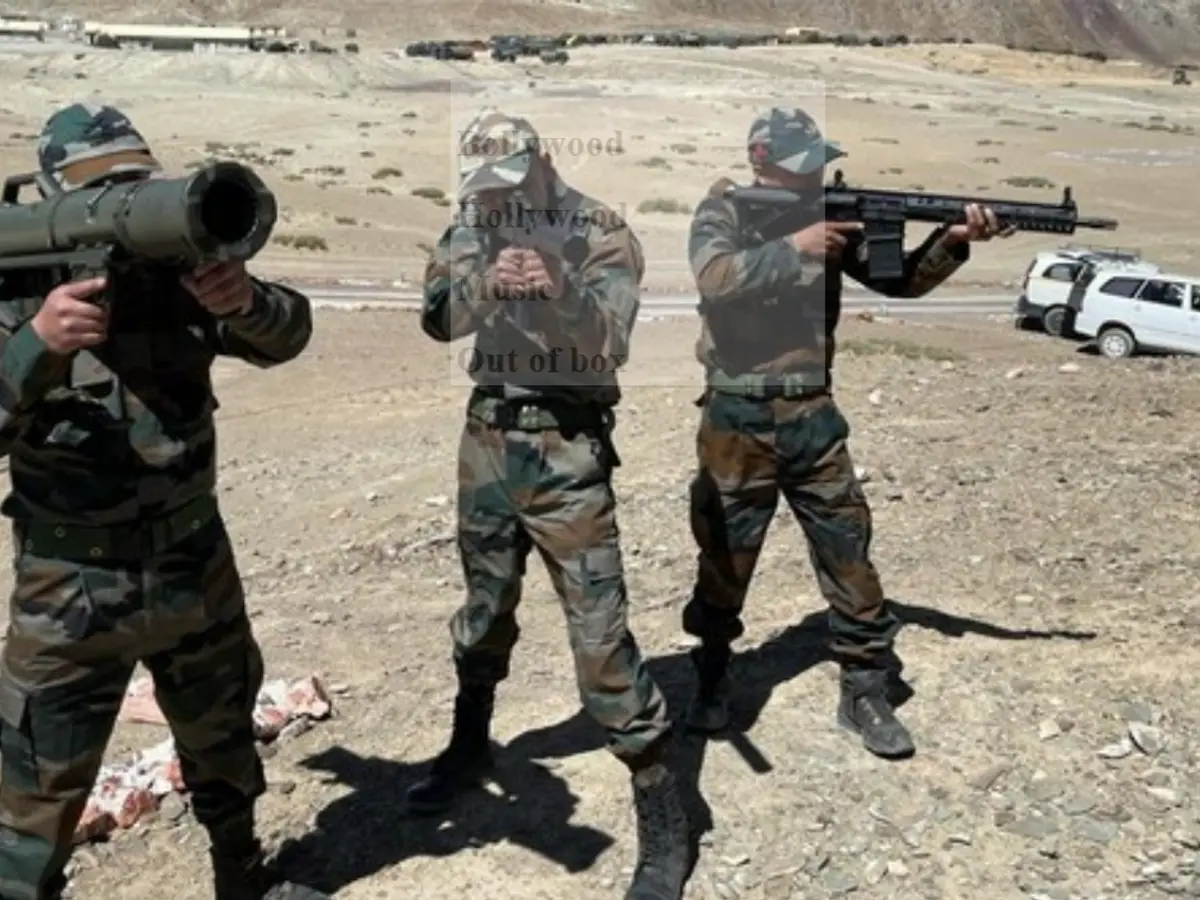
India is working on a big change in how its military operates.
They are setting up something called theater commands.
These commands are meant to help different parts of the military work together better.
Right now, there are too many sensors, too many weapons, and too many decision-makers, and it's hard to connect them all quickly.
Theater commands aim to fix this by creating a single picture of the battlefield and making decisions faster.
This is especially important for land warfare, which is India's main focus.
The idea is to make sure that all the different parts of the military can work together smoothly, so they can respond quickly and effectively to threats.
However, making this change is not easy.
It requires a lot of coordination and training to make sure everyone is on the same page.

Theater commands aim to improve operational efficiency by integrating ISR, fires, mobility, and decision loops.
India's primary security challenges are territorial and manpower-intensive, making land warfare the core focus.
Integrated ISR under a theater commander ensures a single operational picture, reducing friction and blind spots.
Joint fire coordination aims to shorten the time between detection and engagement, supporting the land campaign.
Theater commands synchronize mobility and logistics to ensure rapid repositioning of forces without inter-service delays.
- Who
- India's military
- What
- Implementation of theater commands to improve operational efficiency
- When
- Ongoing process
- Where
- India's borders and operational theaters
- Why
- To address the complexity of modern warfare and improve coordination across domains
- Primary Focus
- Land warfare
- Key Operational Dimensions
- ISR, fires, mobility, and decision loops
- Operational Picture
- Single operational picture for commanders
- Firepower Coordination
- Unified operational authority for all shooters
- Mobility Synchronization
- Airlift, sealift, ground movement, and logistics
- Decision Loops
- Shortening the Observe–Orient–Decide–Act cycle
- Challenges
- Interoperability, harmonization, and shared professional language