

Archive · 23 Aug 2025
Human Activity Causes Rattlesnake Inbreeding, Study Shows
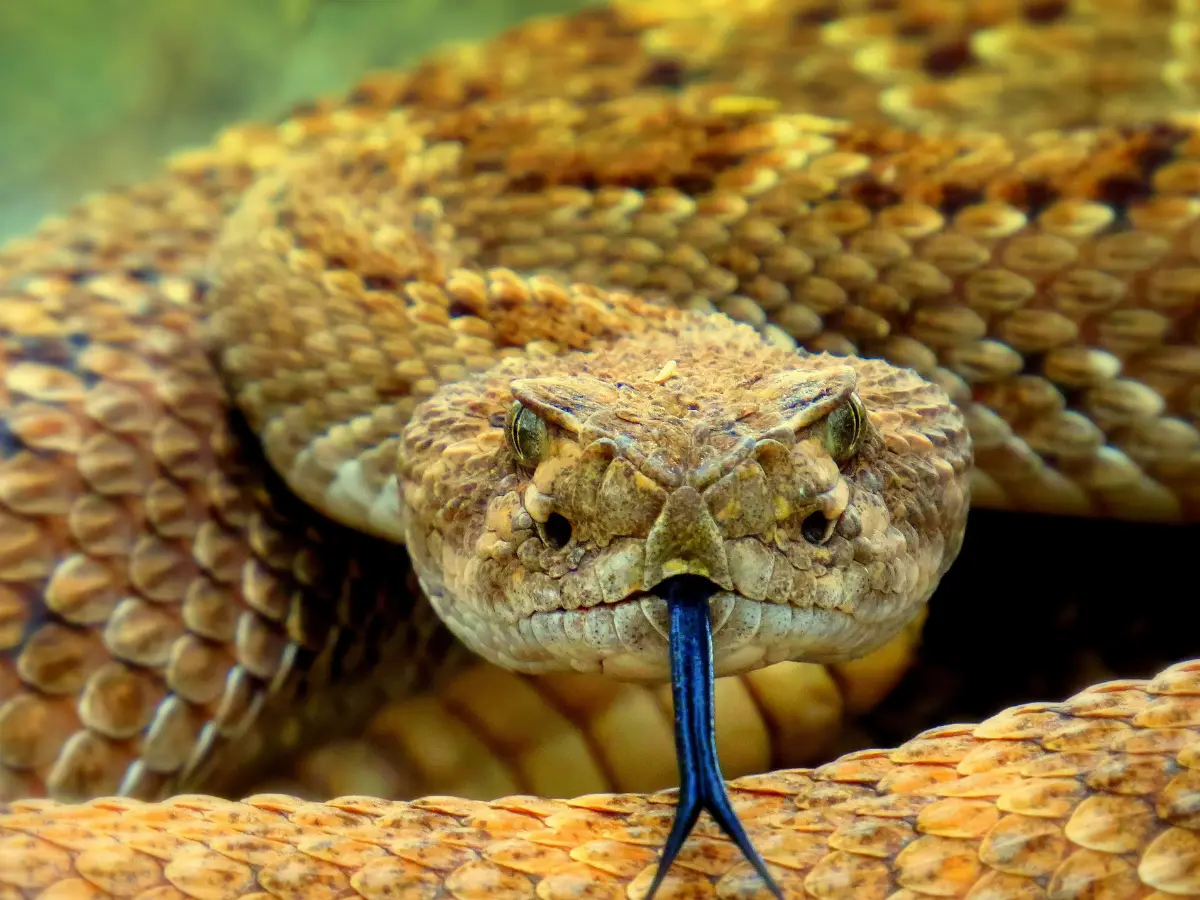
Scientists studied rattlesnakes in Michigan for 15 years and found that human activity is causing them to inbreed.
These snakes usually stay in their home area, but roads and farms stop them from finding new mates.
Snakes that inbreed have a harder time having babies that survive, and they also tend to die sooner.
This is a problem because it makes it harder for the snake population to stay healthy.
The study shows how human actions can hurt animals even in small ways, such as building a single road.

A study on over 1,000 rattlesnakes in Michigan revealed inbreeding due to human impact.
Human-built infrastructure, like roads and farmlands, isolates snake populations.
Inbred rattlesnakes were less likely to produce surviving offspring.
Inbred snakes also had a lower annual survival rate than less inbred snakes.
Researchers studied snakes in two Michigan counties over 15 years.
- Who
- Researchers from Michigan State University studied eastern massasauga rattlesnakes.
- What
- Study reveals inbreeding in rattlesnakes due to human impact.
- When
- Over a 15-year period.
- Where
- South-west Michigan (Cass and Barry counties).
- Why
- Human activity, such as infrastructure development, is isolating populations leading to inbreeding and affecting their survival.
- Study duration
- 15 years
- Number of snakes studied
- Over 1,000
- Location
- Michigan
- Inbreeding impact
- Less offspring survival, lower annual survival rate
- Lead researcher
- Sarah Fitzpatrick