

Archive · 11 Jun 2025
Transform Your Garden into a Monsoon Wildlife Sanctuary
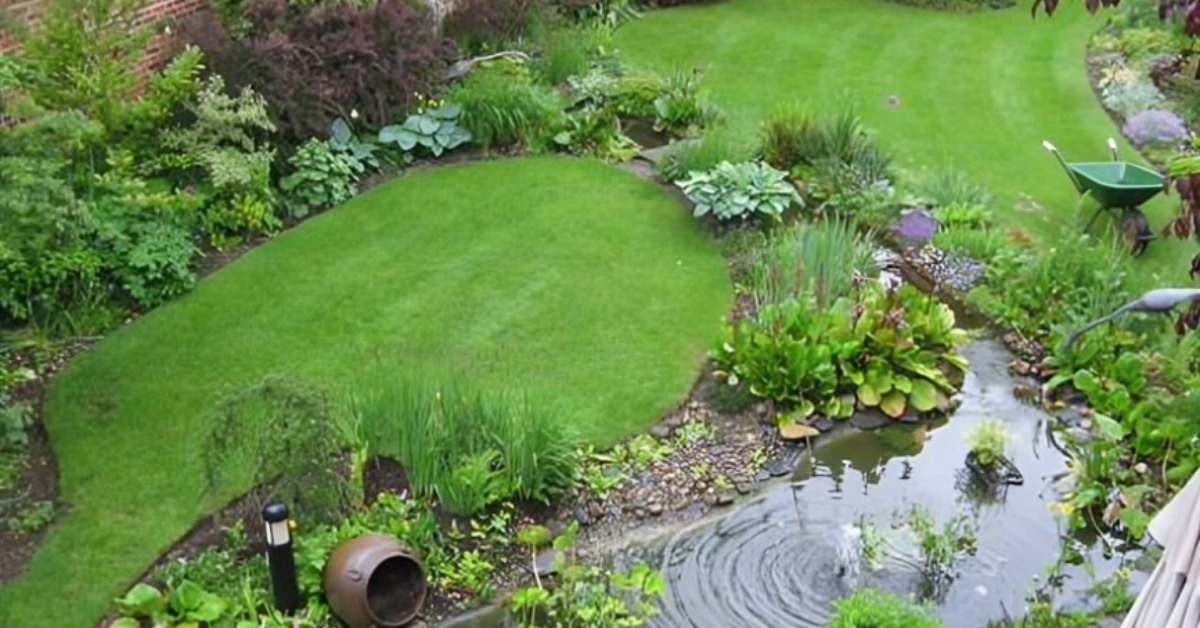
During the monsoon, gardens can become homes for wildlife.
To help, plant native plants because they support more insects, which birds eat.
Provide clean water, and don't clean every corner of your garden.
Avoid chemicals and use natural methods for pest control.
By layering different plants, you can create a varied environment for many types of animals.
Observing and engaging helps us appreciate nature and contribute to its conservation.

Creating wildlife-friendly gardens can help support local biodiversity.
Choosing native plants over exotic ones is beneficial for attracting birds and insects.
Providing fresh, clean water is crucial for birds and small mammals during monsoon.
Leaving some corners of your garden messy provides shelter for wildlife.
Avoiding chemicals and creating layers of plants can support a diverse food web.
- Who
- Homeowners and gardeners.
- What
- Tips for creating a wildlife-friendly garden.
- When
- During the monsoon season.
- Where
- In home gardens, including balconies and backyards across India.
- Why
- To support local biodiversity, attract wildlife, and create a more natural environment.
Conventional Gardening
Eco-Friendly Gardening
Chemical Use
Conventional Gardening
Use store-bought pesticides and fertilizers
Eco-Friendly Gardening
Use neem oil, garlic-chilli sprays and compost or cow dung as fertilizer
- Benefit of Native Plants
- Support up to 10x more native insect biomass than exotic ones.
- Attractors during Rainy Season
- Clean water access is one of the top three attractors for urban birds
- Impact of Leaf Litter
- Significantly enhances microhabitats needed by amphibians and pollinators.
- Pesticide Impact
- Pesticide residues found in over 50% of vegetables grown in home gardens using store-bought products
- Impact of Layered Vegetation
- Gardens with mixed vegetation hosted 2.5x more bird species.