

Archive · 8 Jun 2025
Banks Set to Cut Savings Rates After RBI's Repo Rate Cut

Banks are likely to reduce savings account interest rates again following the RBI's decision to cut the repo rate.
This means savers could earn less interest on their deposits.
This is happening because the RBI wants to boost the economy, and banks need to adjust their rates.
Banks are trying to maintain their profits, and changes to loan interest rates happen quickly.
Experts note that interest rate cuts are happening faster than usual.
Banks are cutting rates to encourage lending and support economic growth.

Banks are expected to reduce savings account interest rates.
The RBI's recent repo rate cut of 50 bps is a key factor.
Private banks had already reduced savings rates in April-May.
The transmission of rate cuts is happening faster than before.
Banks need to adjust deposit rates to manage their net interest margins (NIMs).
- Who
- Banks and Savers
- What
- Banks are likely to cut savings account interest rates.
- When
- June 8, 2025 (Published)
- Where
- India
- Why
- To manage margins and promote economic growth.
Savers
Banks
Financial Impact
Savers
Savers will receive less interest on their savings.
Banks
Banks aim to maintain profits.
- Repo Rate Cut
- 50 bps
- Expected Savings Rate Cut
- 25-50 bps
- Banks Reducing Rates
- Large and mid-sized private banks
- Current Easing Cycle
- Faster Transmission
Sources

RBI’s 50 bps rate slash sparks debt fund surge: Is it time to rebalance your portfolio?

Steady returns in a dynamic market

The smarter door to idle money
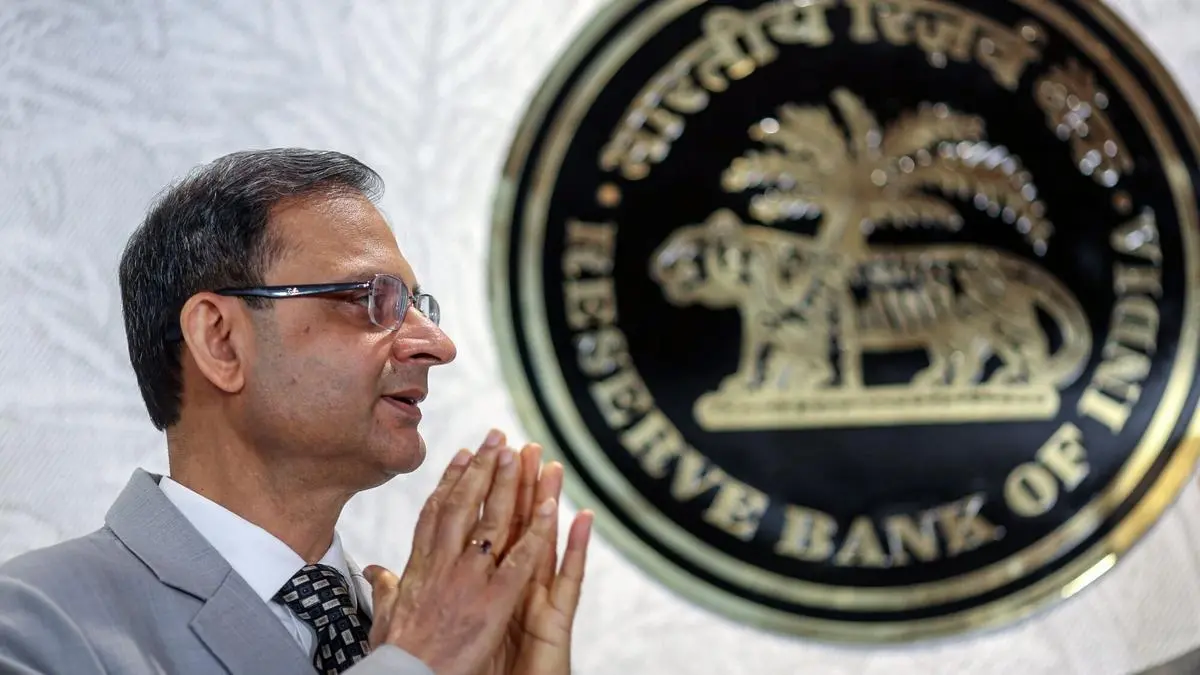
Repo rate cut and the implications for banks

Breaking down current bond market dynamics

Trade Setup for June 9: Nifty eyes 25,500 after RBI's bazooka policy push
FPIs withdraw Rs 8,749 cr from equities
Savers to be hit as banks conduct 2nd round of savings account interest rate cuts
RBI’s CRR and repo rate cuts to inject liquidity, support credit growth: SBI Research

The Reserve Bank’s leap of faith: A big rate cut is very hard to justify
Has RBI unleashed its arsenal too soon for the economy?
