

Archive · 31 Jul 2026
Supreme Court Scrutinizes RAF Use of Pellet Guns in Protests
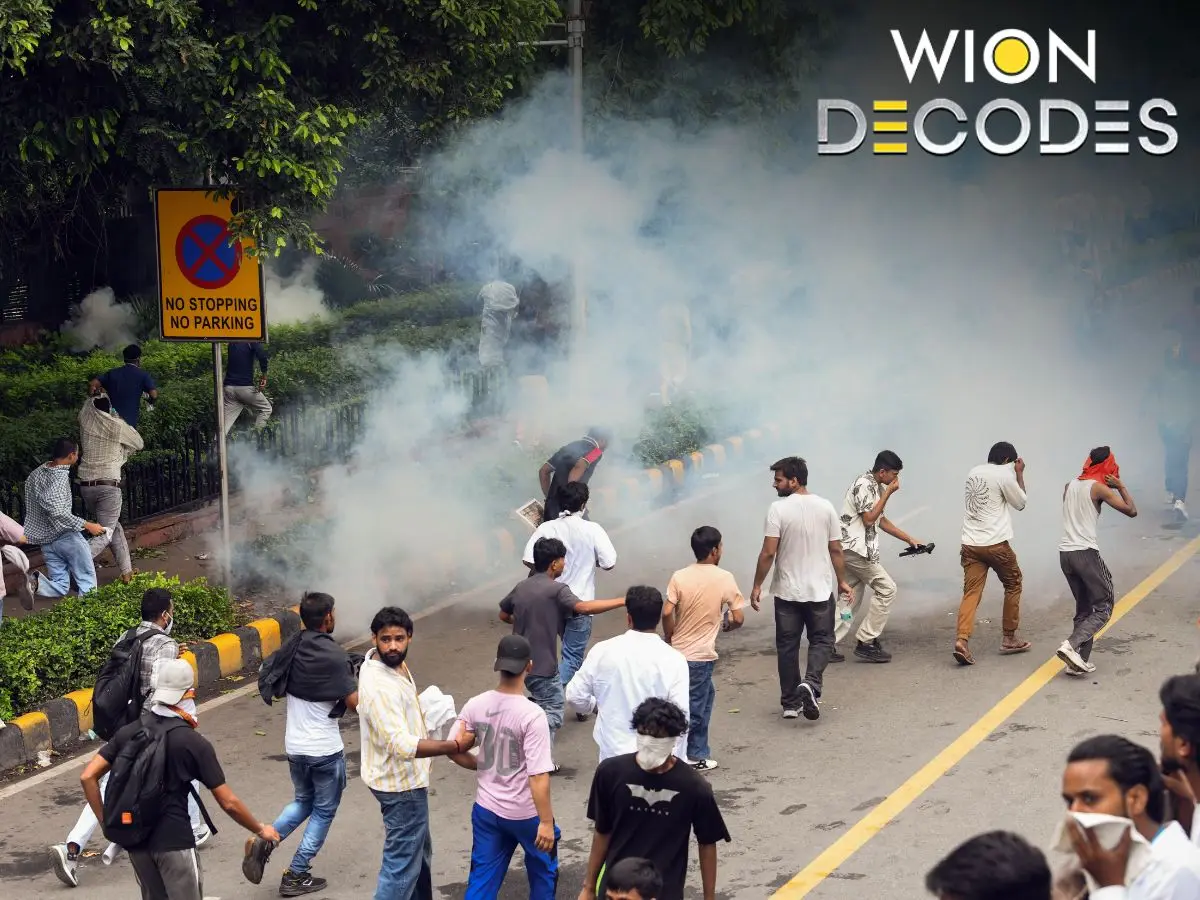
The Supreme Court of India asked the Rapid Action Force to keep records of the ammunition they used at a protest in Delhi.
The court wants to know if the force used the right kind of weapons.
A government agency says that pellet guns are only for very bad situations, after other methods like water or tear gas fail.
The court has said in the past that police must not use too much force.
Pellet guns can hurt people badly, especially their eyes, so the court wants to make sure they were used carefully and only when needed.

Supreme Court ordered RAF to preserve ammunition logs from Jantar Mantar protests.
BPR&D guidelines classify pellet guns as last‑resort, less‑lethal weapons for violent crowds.
RAF SOP requires warnings, water cannons, tear gas before pellet guns, with safe‑distance rules.
Courts have warned against excessive force, citing 2012 Ramlila Maidan and 2016 Anita Thakur cases.
Pellet guns risk unpredictable injuries, including permanent eye damage, raising legal and human‑rights concerns.
- Who
- Rapid Action Force, Supreme Court of India, Bureau of Police Research and Development
- What
- Investigation into the use of pellet guns during the Jantar Mantar protests
- When
- After the Jantar Mantar protests, Supreme Court order issued in 2024
- Where
- India, Jantar Mantar, Delhi
- Why
- To ensure legal compliance and protect protesters' rights
- Supreme Court Order
- Preserve RAF ammunition logs
- Guideline Authority
- Bureau of Police Research and Development
- Weapon Classification
- Pellet guns – less lethal, last resort
- SOP Sequence
- Warnings → water cannons → tear gas → lathi → pellet guns
- Legal Cases
- 2012 Ramlila Maidan, 2016 Anita Thakur