

Archive · 3 Aug 2025
Naga People Seek Repatriation of Ancestral Remains
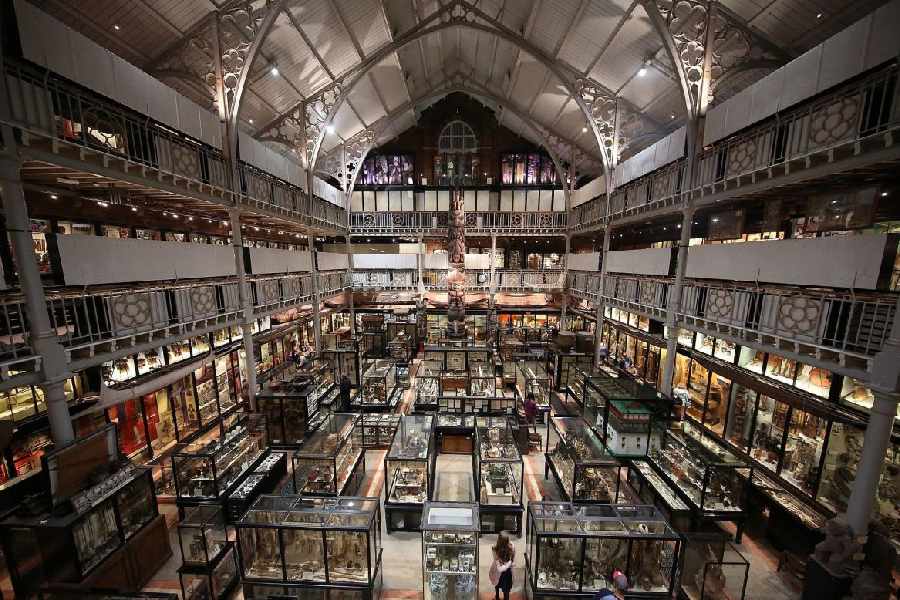
Imagine a group of people called the Naga, who live in India.
They are trying to get back the remains of their ancestors from a museum in England.
These remains, like skulls, were taken a long time ago by British people.
Now, the Naga people want them back to give them a proper burial.
But it's not simple!
They have to decide how to honor their ancestors, considering changes in their culture, like the influence of Christianity.
It's a long process, and they have to work together to decide what's best and how to heal from the past.

Naga people are seeking repatriation of ancestral remains held by the Pitt Rivers Museum in Oxford.
The remains were collected by British colonial administrators and include skulls and other artifacts.
Discussions about repatriation involve addressing the cultural impact of colonialism and missionary influence.
The process involves questions about funeral rituals, considering both Christian and traditional practices.
Repatriation is a complex process that could take years or decades.
- Who
- The Naga people and the Pitt Rivers Museum.
- What
- The Naga people are seeking to repatriate ancestral remains from the Pitt Rivers Museum.
- When
- Discussions about repatriation have been ongoing for five years.
- Where
- The Pitt Rivers Museum in Oxford, the Naga Hills (India, Myanmar).
- Why
- To honor their ancestors and address the impact of colonialism.
Cultural Preservation
Modernization and Integration
Cultural Significance vs. Social Perception
Cultural Preservation
Traditional Naga beliefs see human remains as sacred; repatriation is vital for spiritual peace.
Modernization and Integration
Some Nagas may be hesitant about the return if it revives negative stereotypes of violence or headhunting.
Ownership and Display
Cultural Preservation
The remains should be returned to the Naga communities to honor their ancestors.
Modernization and Integration
Museums may see the objects as an important part of the historical narrative and educational resources.
Funeral Rites
Cultural Preservation
Traditional funeral rituals are important to honor ancestors' spirits.
Modernization and Integration
Christian rituals may be preferred by some, due to widespread religious conversion.
- Location of Remains
- Pitt Rivers Museum, Oxford
- People Involved
- Naga people, Museum Staff
- Items in Collection
- Human remains, including skulls and skin
- Historical Context
- British Colonialism, Christian Missions
- Estimated Timeframe for Repatriation
- Potentially decades