

Archive · 1 Sep 2026
India’s Apparel Industry Faces Scale Challenge in Export Push
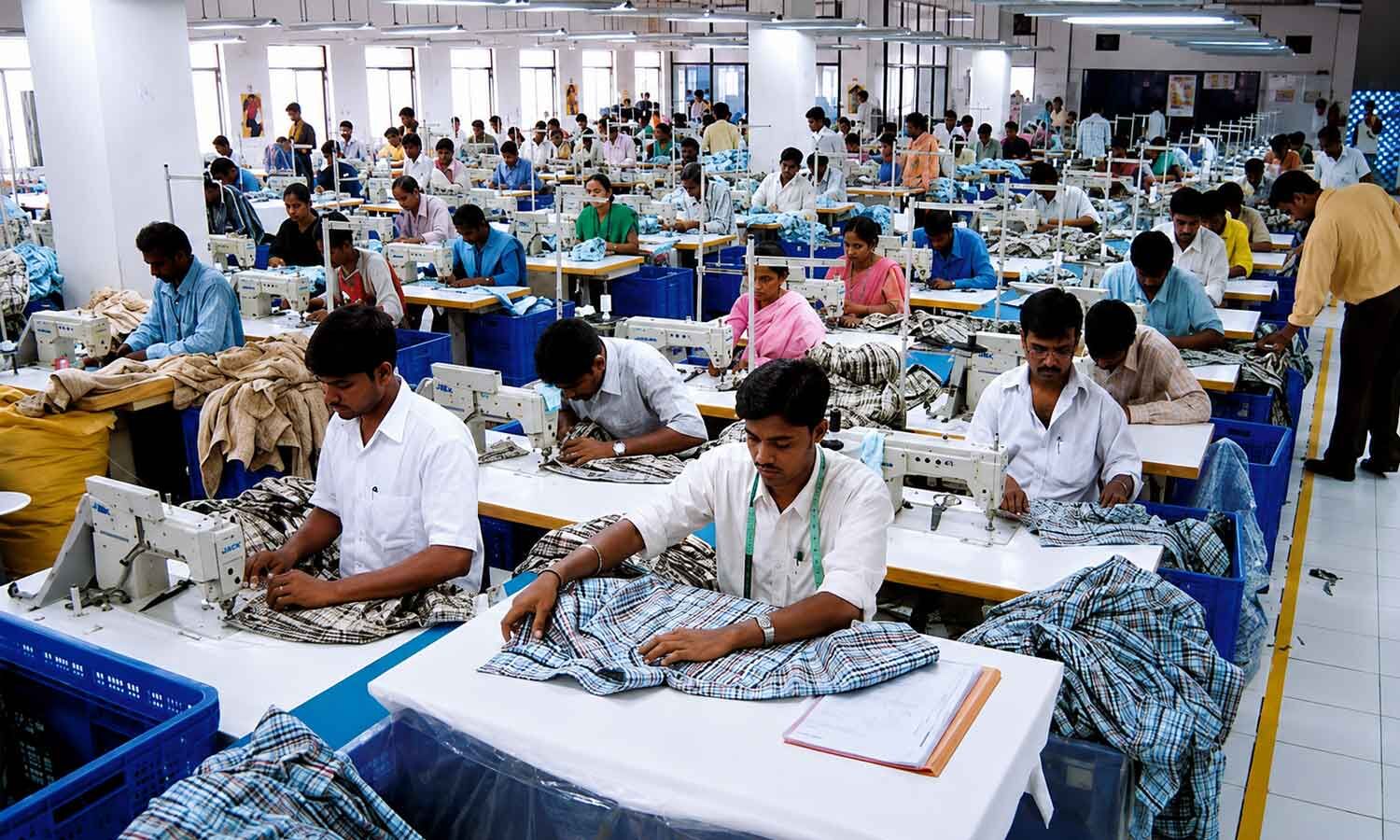
India wants to sell more clothes to customers around the world.
It already has many parts of the clothing-making process inside the country.
This includes growing cotton, making fabric and sewing garments.
India also has skilled workers, ports and experience with Western markets.
However, many Indian factories are small and cannot always make products quickly or in very large quantities.
Workers in competing countries are estimated to produce more basic trousers per day.
New trade agreements, factory investments and cleaner energy could help India compete.
The biggest challenge is becoming known for reliable quality and speed, not only lower prices.

India has a complete textile ecosystem spanning cotton, spinning, weaving, processing and garmenting.
Global brands are seeking sourcing partners offering resilience, speed, sustainability, quality and competitive costs.
India’s fragmented industry, labor constraints, productivity gap and long lead times remain major obstacles.
Basic chino trouser output is estimated at eight pieces per operator in India, versus 12–14 in Bangladesh and 16–18 in Vietnam.
FTAs, PM Mitra Parks, the PLI scheme and investments in sustainability could support future export growth.
- Who
- India’s apparel manufacturers, global clothing brands, industry leaders and policymakers.
- What
- India is assessing how to turn its textile strengths into sustained apparel-export growth.
- When
- The opportunity is emerging as global apparel supply chains evolve; the next five to ten years are identified as critical.
- Where
- India, particularly its southern manufacturing belt, in competition for global apparel markets.
- Why
- Global brands want resilient, scalable, fast, sustainable and quality-focused suppliers, while India needs to improve scale, productivity and lead times.
Growth Opportunity
Competitiveness Barriers
India’s manufacturing base
Growth Opportunity
India has a mature domestic textile ecosystem, skilled workers, design capabilities, ports and opportunities in organic cotton and renewable energy.
Competitiveness Barriers
The sector is fragmented, and manufacturers must add capacity and improve scale before these advantages translate into sustained export growth.
Trade agreements
Growth Opportunity
Recent and emerging FTAs could expand market access and attract deeper relationships with global brands.
Competitiveness Barriers
Market access alone may not create lasting orders unless Indian manufacturers demonstrate reliable productivity, quality and export competitiveness.
Cost versus productivity
Growth Opportunity
India can compete with higher-wage countries if it builds value-added capabilities, quality and reliability rather than relying only on low costs.
Competitiveness Barriers
Productivity remains below Bangladesh and Vietnam for basic chino trousers, while labor restrictions and longer lead times can weaken India’s competitiveness.
- Textile ecosystem
- India can support cotton, spinning, weaving, processing and garmenting domestically.
- Chino productivity
- Estimated output is about 8 pieces per operator in India, compared with 12–14 in Bangladesh and 16–18 in Vietnam.
- Industry challenge
- The apparel sector remains fragmented, with many smaller manufacturers.
- Labor concerns
- Existing labor rules are described as restricting work hours, seasonal hiring, overtime and productivity.
- Sustainability
- Manufacturers are investing in compliance, organic materials and renewable energy.
- Policy support
- FTAs, PM Mitra Parks and the PLI scheme are cited as potential enablers.
- Infrastructure
- Southern ports and planned or newer infrastructure such as Vizhinjam Port could improve export connectivity.